
To celebrate the 50th anniversary of the Adult and Community Education Department at Maynooth University, this digital archive contains a timeline of the key moments across the department’s history and their impact on staff, students and adult education across Ireland.
Click a button below to jump to section of the page

1970s
The 1970s marked the beginning of the centre. Operating outside the typical Maynooth University system, it began as a unit in the Sociology department. This decade, the centre’s main output was extra mural courses, allowing those who didn’t have the time or qualifications to access third-level education to continue to learn throughout their life. The idea of welcoming the Adult Student in St Patrick’s College, Maynooth was thus established.
Below is list of key moments in the 1970s, click on an entry to jump to it
The Founding of the Centre of Adult and Community Education
In 1975 the centre of Adult and Community education was founded by Professor Liam Ryan, and directed by Liam Carey. Carey would go on to establish the Diploma in Adult and Community Education, as well as a wide range of extra mural courses. The Centre’s programmes were grounded in transformative and critical educational philosophies and methods which place a high value on experience, critical reflection, dialogue, group work and the social-change imperative of education.
Pictured is the original home of the centre, Rhetoric House.

Early Context and Influences
The Centre for Adult and Community Education was established in a landscape of political, economic, and social turbulence. Ireland at that time was beginning to experience an economic crisis, in a society still dominated by conservative Catholic ideology, and a society marked by exclusion and inequality. Yet, it was also a moment when international currents – liberation theology and radical sociology – were finding fertile ground at some departments of St. Patrick’s College, Maynooth. The early development of the Centre was also shaped by diverse influences, including feminist thought, development education, counselling approaches, and participatory pedagogies, each introduced by those who played a role in its beginnings. The Centre emerged as a response to these realities, embodying a radical vision of education as both critique and transformation the Centre has consistently questioned traditional models of education in both its ethos and its practices.
Extra Mural Courses
Established as a way to ‘widen participation’ in Higher Education before that term was common, extra mural courses were fully open access requiring no previous educational standards to participate. Furthermore many of these courses were delivered outside of the College campus, being provided in conjunction with local Adult Education Agencies across Ireland. This was the beginning of Maynooth gaining the reputation of being a committed, community engaged third level institution.
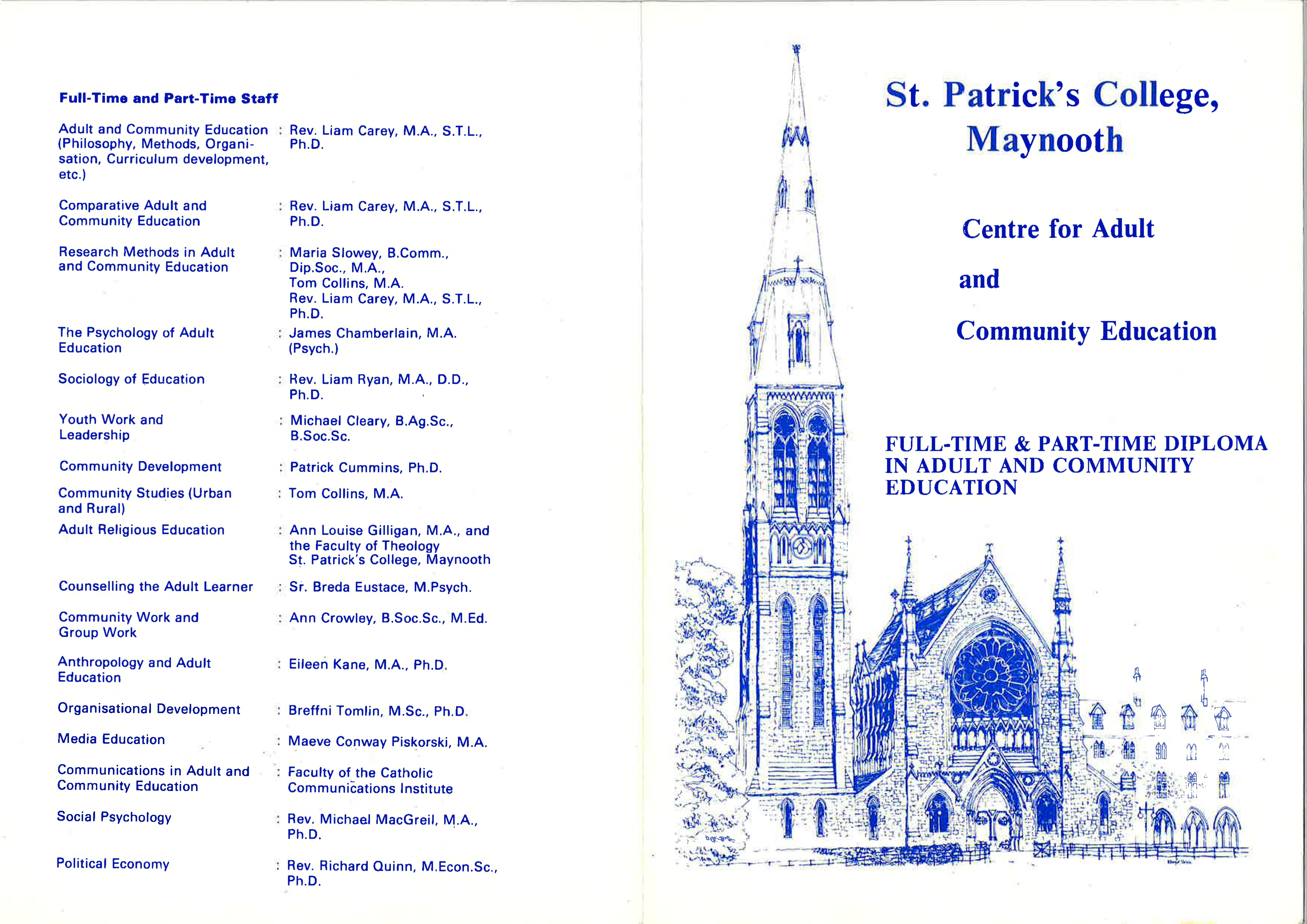
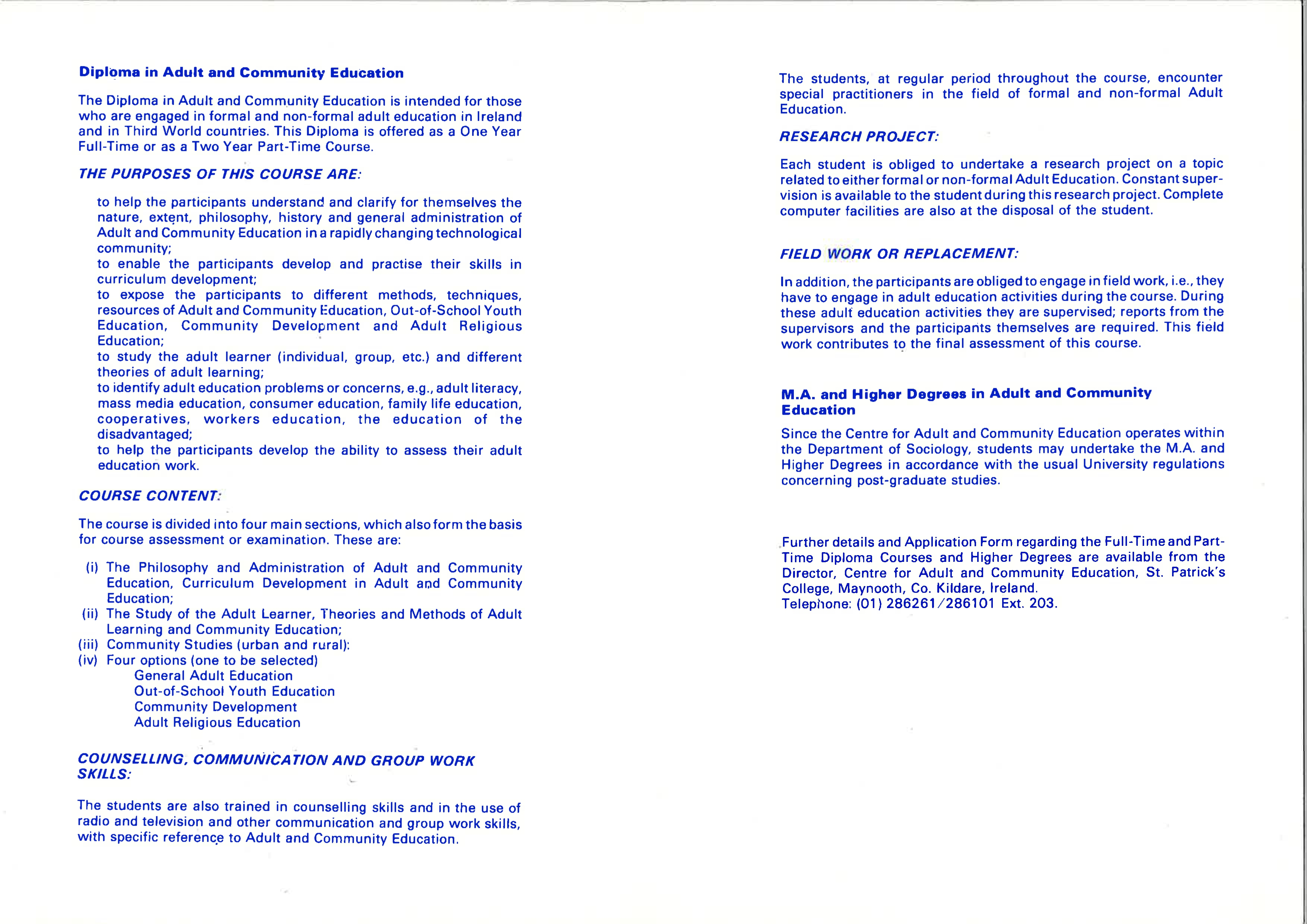
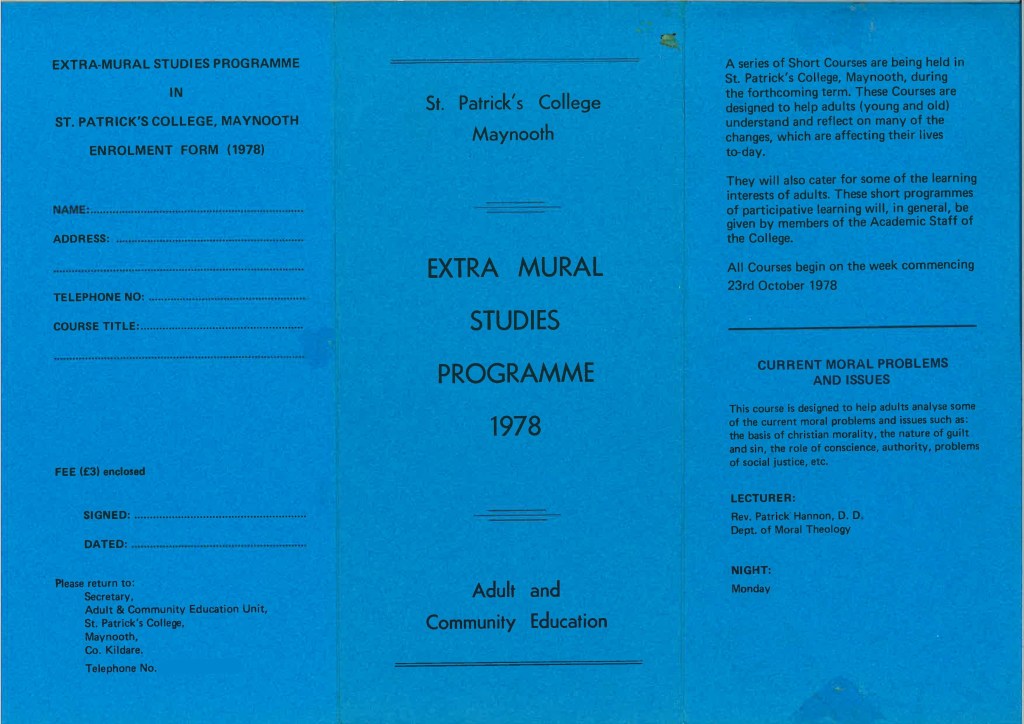
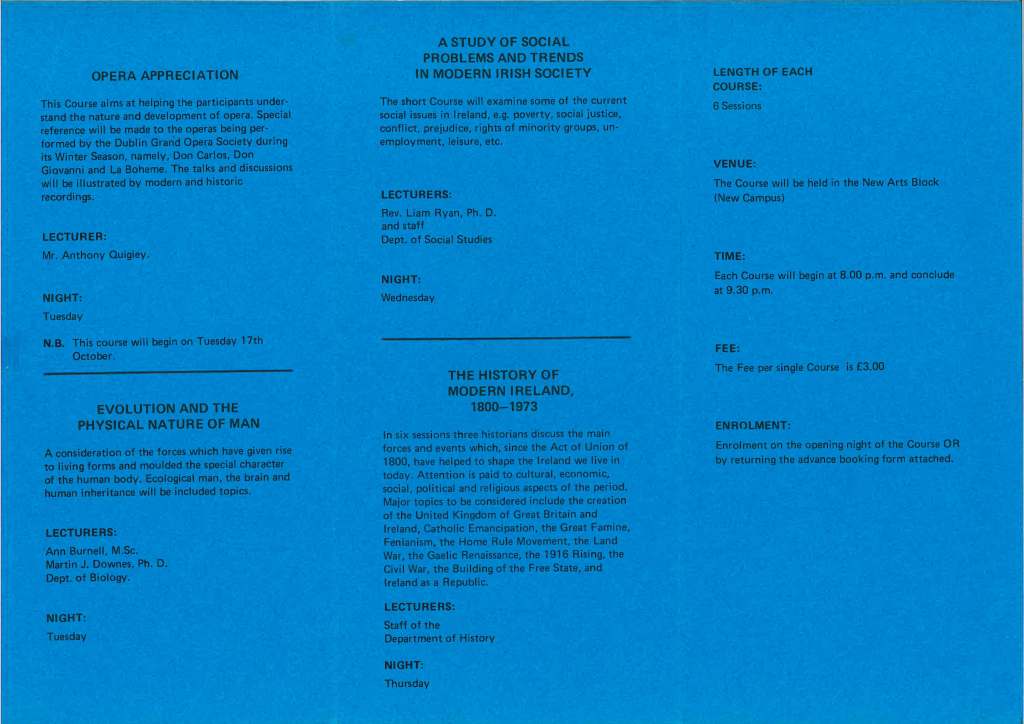
Click Here to see a brochure showing all courses available in 1978, Click on the images if you would like to enlarge them
“Since its establishment in the mid 1970s , the Centre for Adult and Community Education has endeavoured not only to contribute to providing education opportunities for groups and learners who had been denied such opportunities in their childhood, but also to build a different kind of educational experience. The Centre has consistently approached its task as one of offering a critique of mainstream provision as opposed to one of merely extending such provision in an uninterrogated way to new learning constituencies. Central to its approach has been a commitment to knowledge as construction as opposed to knowledge as instruction. Within this paradigm, the learner is central to the learning process as an active participant whose expertise and life knowledge is validated and affirmed.”
-Tom Collins, speaking on the ideology of the centre.

1980s
The 1980s marked a high point of the economic crisis in Ireland. Despite these challenges the Centre continued to grow and was beginning to experiment more with the extra mural courses offered. With these new courses, the identity of the Centre began to flourish, focusing more courses around marginalised communities and empowering adult learners, with a decrease in courses centred around religion, reflecting the changes across the University and Ireland.
Below is list of key moments in the 1980s, click on an entry to jump
Below is a list of some of the staff of the department in the 1980s
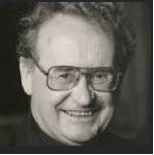
Liam Ryan
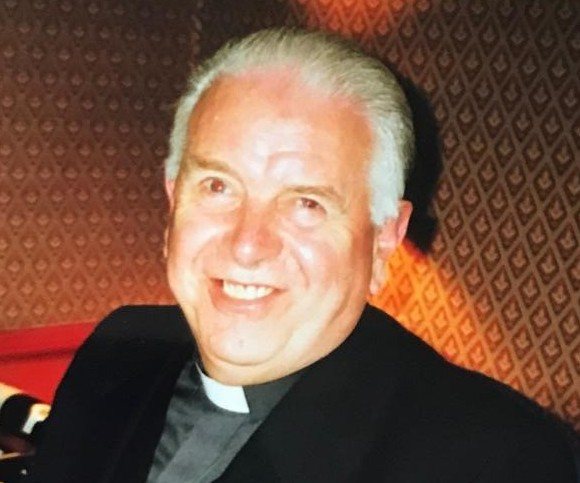
Liam Carey
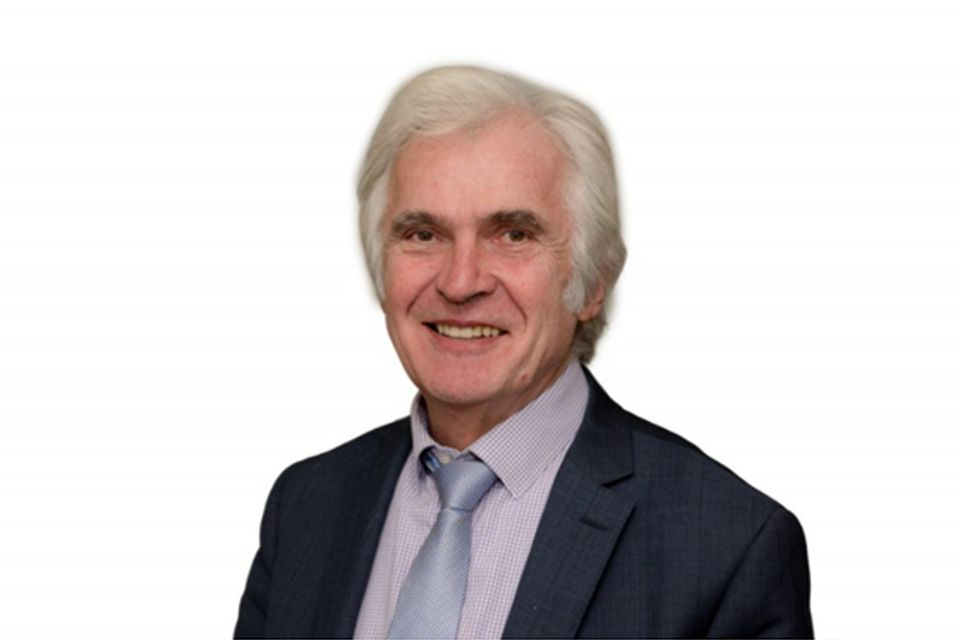
Tom Collins
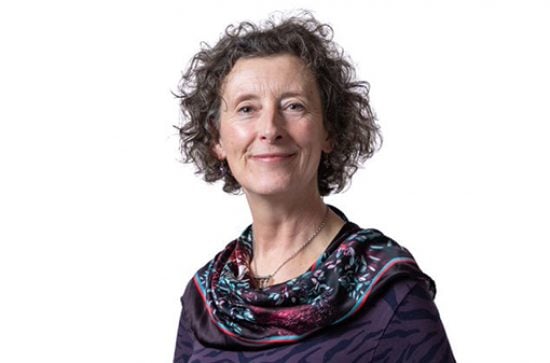
Mary B Ryan

Rosaleen O’Riordan
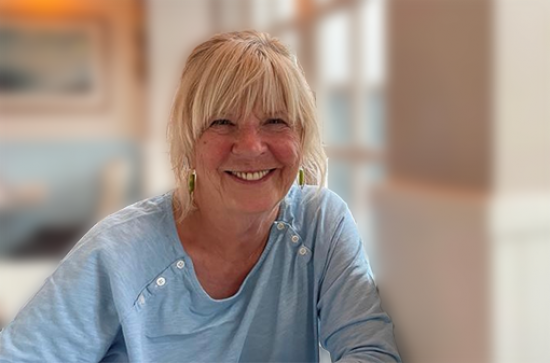
Anne Ryan
Political, Economic and Social Context
The Centre for Adult and Community Education was established in a landscape of political, economic, and social turbulence. Ireland at that time was beginning to experience an economic crisis, coupled with the dominance of conservative Catholic ideology, and a society marked by exclusion and inequality. Yet, it was also a moment when international currents – liberation theology and radical sociology – were finding fertile ground at some departments of St. Patrick’s College, Maynooth. The early development of the Centre was also shaped by diverse influences, including feminist thought, development education, counselling approaches, and participatory pedagogies, each introduced by those who played a role in its beginnings. The Centre emerged as a response to these realities, embodying a radical vision of education as both critique and transformation. Influenced by radical sociological thought, the Centre has consistently questioned traditional models of education in both its ethos and its practices.
Early Days
In the 1980s, the Centre expanded its courses, with Vocational Education Committees and community schools partnering to deliver extra mural programmes nationwide
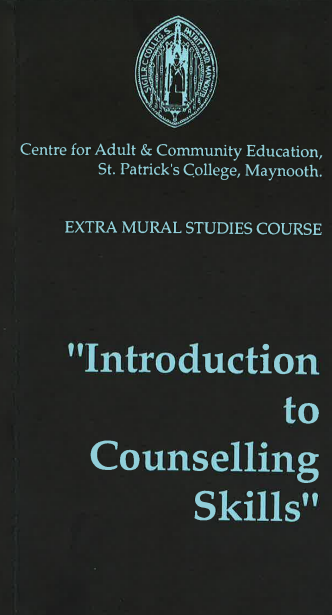
Counselling Certificate
Introduced in 1986, the Counselling Certificate provided an accessible introduction to counselling, encouraging self-reflection, dialogue, and story-sharing, particularly supporting those in people-focused roles.
Women’s Studies
Feminist movements shaped the Centre’s ethos, with women – majority in extra mural programmes – leading initiatives
External Partnerships
From the 1980s onwards, the Centre has developed extensive partnerships with government departments, state bodies, education agencies, and national and community organisations to advance adult education. The Centre played a key role in AONTAS and NALA since their establishment, holding board and managerial positions and contributing to policy and advocacy for adult learners and educators. The Centre’s engagement with AnCO/FÁS resulted in pioneering programmes that allowed social welfare recipients to participate in education, ultimately influencing the establishment of the Vocational Training Opportunities Scheme. Education agencies like VECs and ETBs were other key partners of the Centre.

1990s
The 1990s was a decade of massive change and expansion across the Centre, possibly being the most influential decade in its 50 year history. The Centre increased its efforts to open doors and widen access to third level education, with trailblazing methods of teaching, such as incorporating sign language and distance learning into courses. The Centre also started to receive European Union funding for many of its projects, as well as saw the Kilkenny Campus established to provide courses for adult students from Kilkenny and the South East.
Below is list of key moments in the 1990s, click on an entry to jump to it.
Below is a list of some of the staff of the department in the 1990s
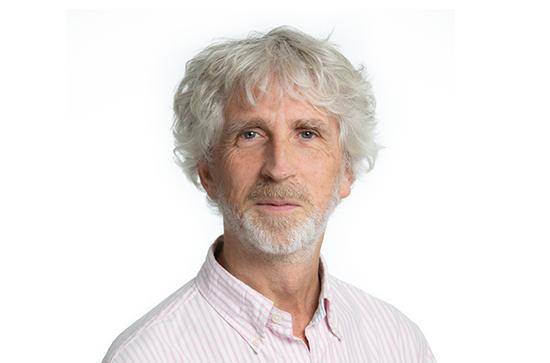
David McCormack
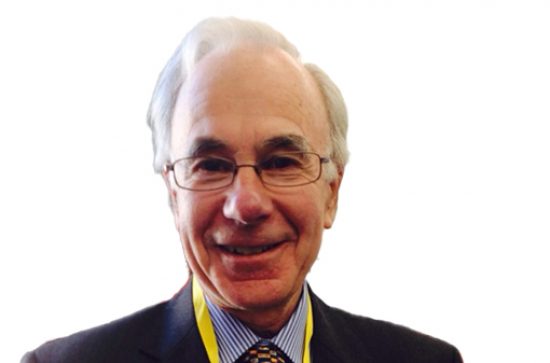
Ted Fleming
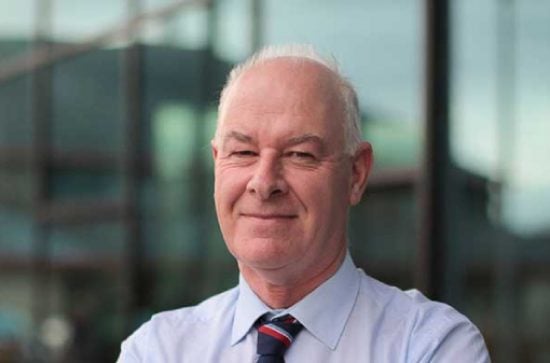
Michael Kenny
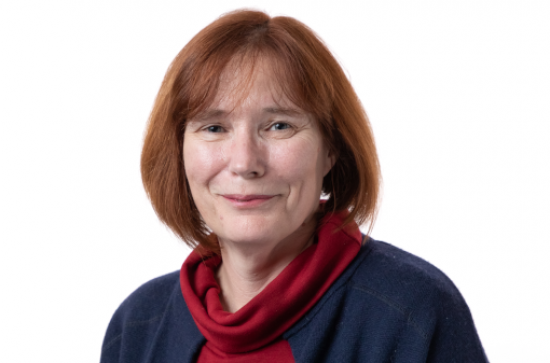
Angela McGinn
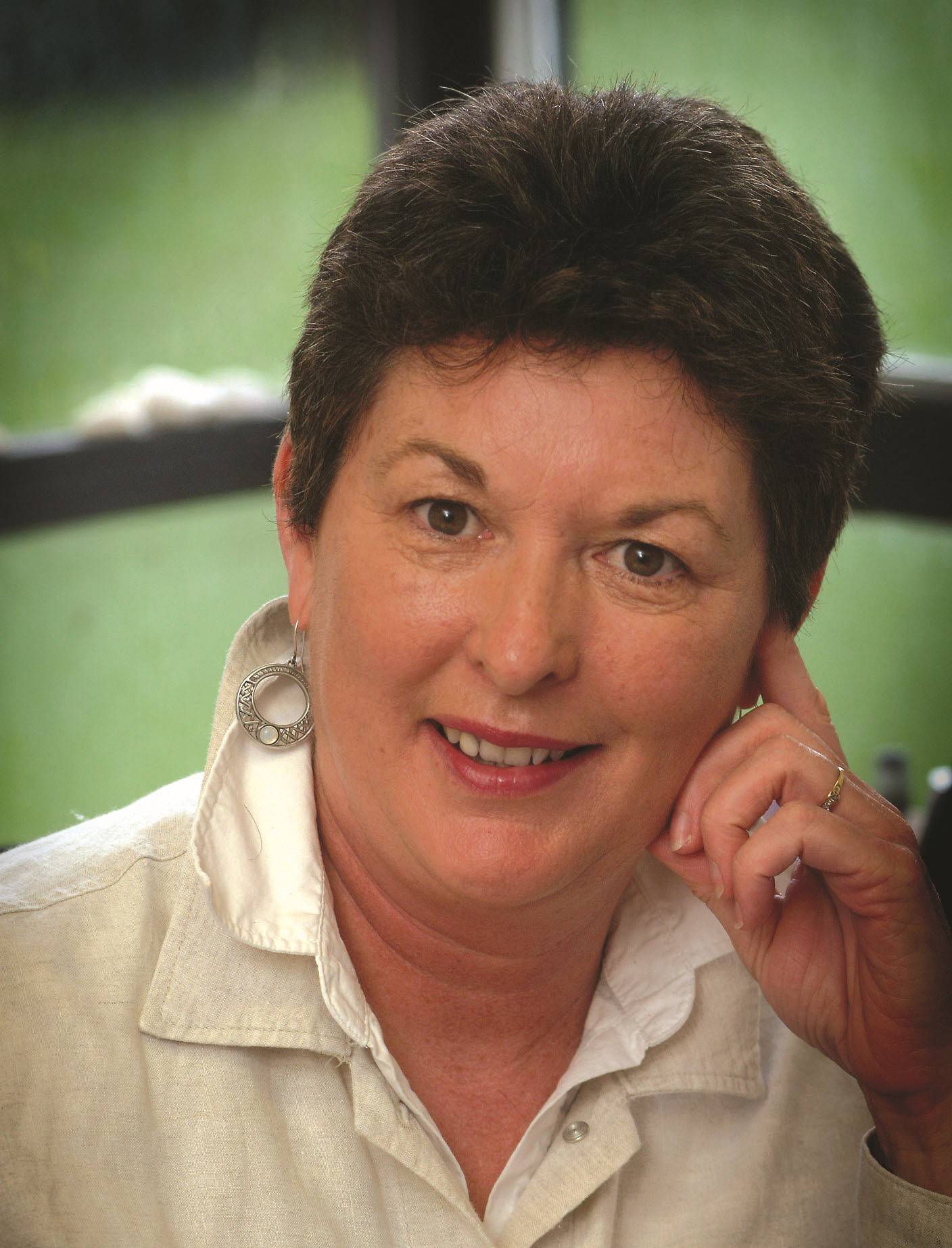
Breeda Gibney
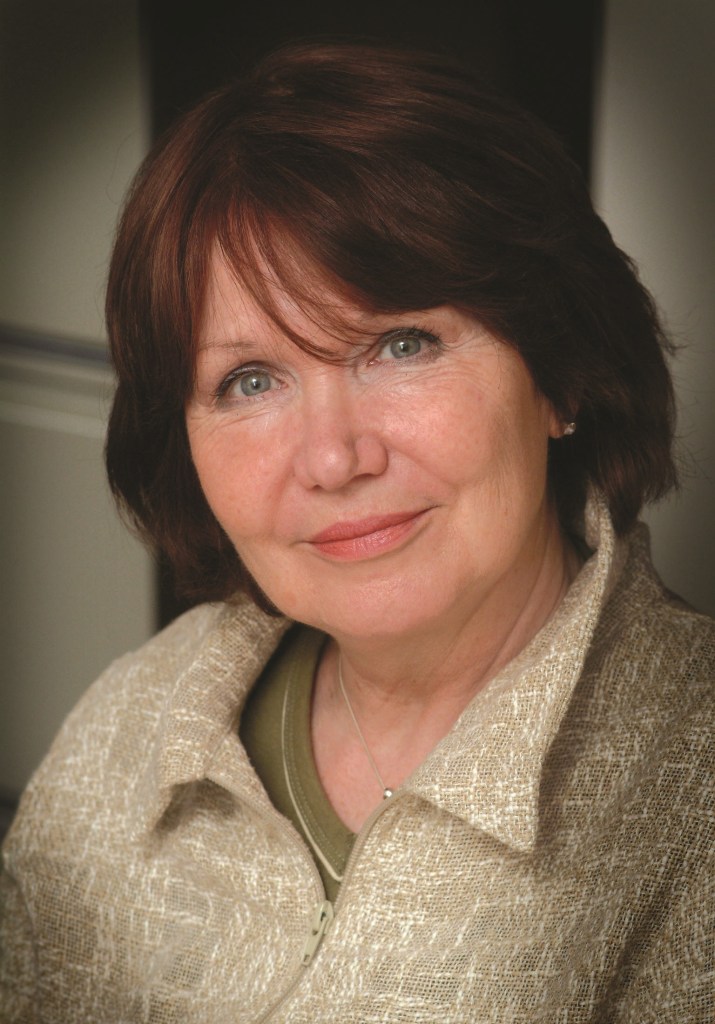
Mary Corbally
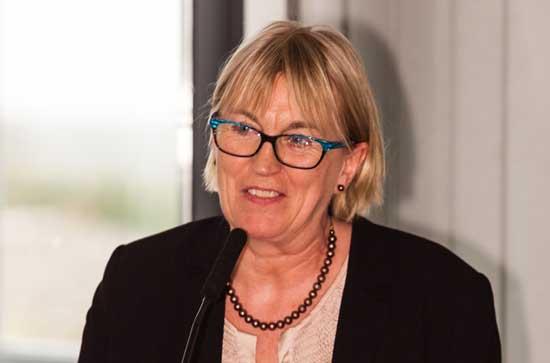
Josephine Finn
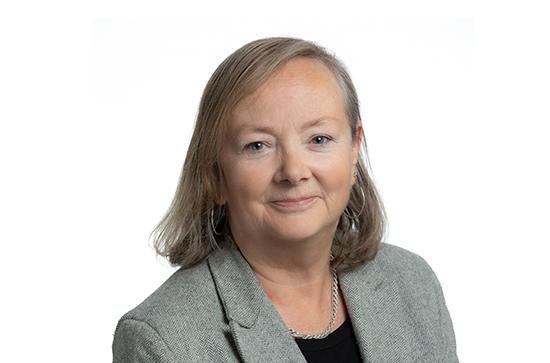
Bríd Connolly

Anne Roundtree
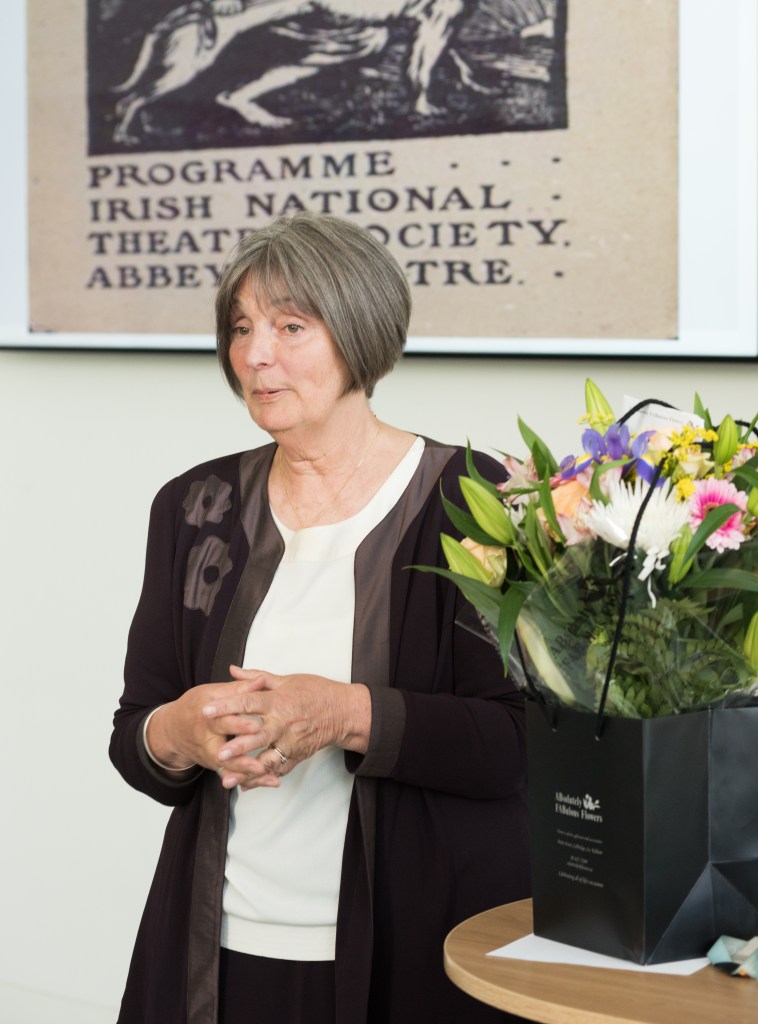
Margaret Sweetman
Political, Economic and Social Context
In the 1990s, Ireland was undergoing rapid political, social, and economic transformation. The peace process in Northern Ireland and closer European Union integration shaped policy and funding opportunities. From the mid 1990s, the Celtic Tiger period brought growth, foreign investment, and job creation, but at the same time exacerbated inequalities. Coupled with rising immigration and changing gender roles, this stressed the need for lifelong learning and community participation. The foundational 1998 Green Paper on Adult Education positioned lifelong learning as a vehicle for both economic competitiveness and social inclusion and empowering marginalised groups. For the Centre, the EU structural funds played a key role in expanding provision.
Return to Learning
In 1992 the Certificate in Return to Learning was introduced. The course was designed as a stepping stone for those who wished to return to study but who had not studied in any formal way for a number of years. The course is still running to this day, and along with the ComMUniversity is a key part in broadening the access to Maynooth University. From the early 1990s up to 2018 it was taught by Anne Roundtree and Margaret Sweetman, and up until recently Dr Patricia Doyle. The course is currently taught by Dr Derek Barter, Peter Gaughran, Dr Michael Murray and Dr Brendan Scott. The video below showcases the experience of Áine Grace, a recent graduate from the course.
Hear Áine’s Story
“From the day you start you are told you belong here, it doesn’t matter what your education history is, if you have a desire to learn you belong at Maynooth and they want you here.“
Below is page from the 1992-93 brochure, detailing the courses available with a word from Mary B. Ryan
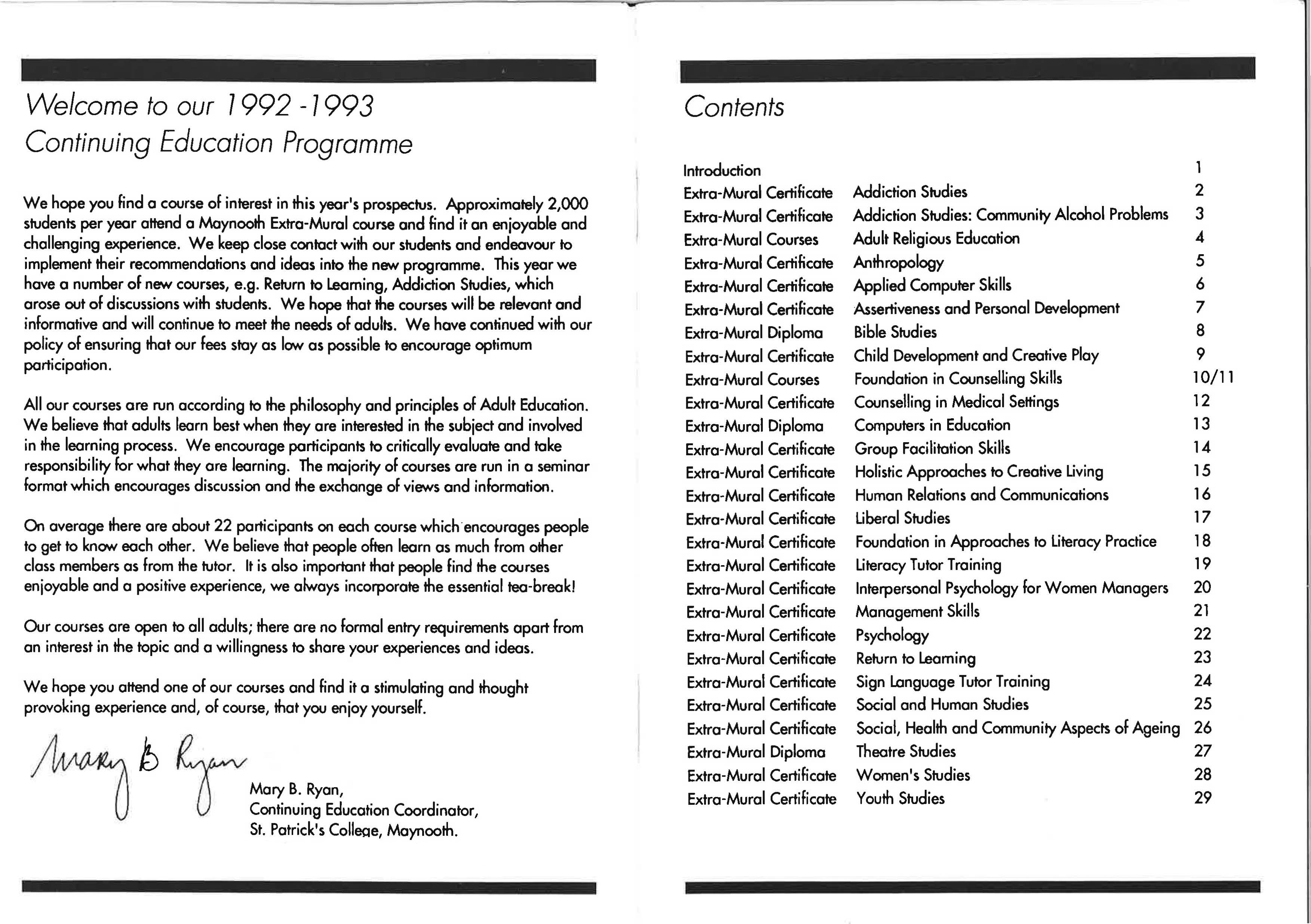
Gallery of the covers of brochures from the 1990s
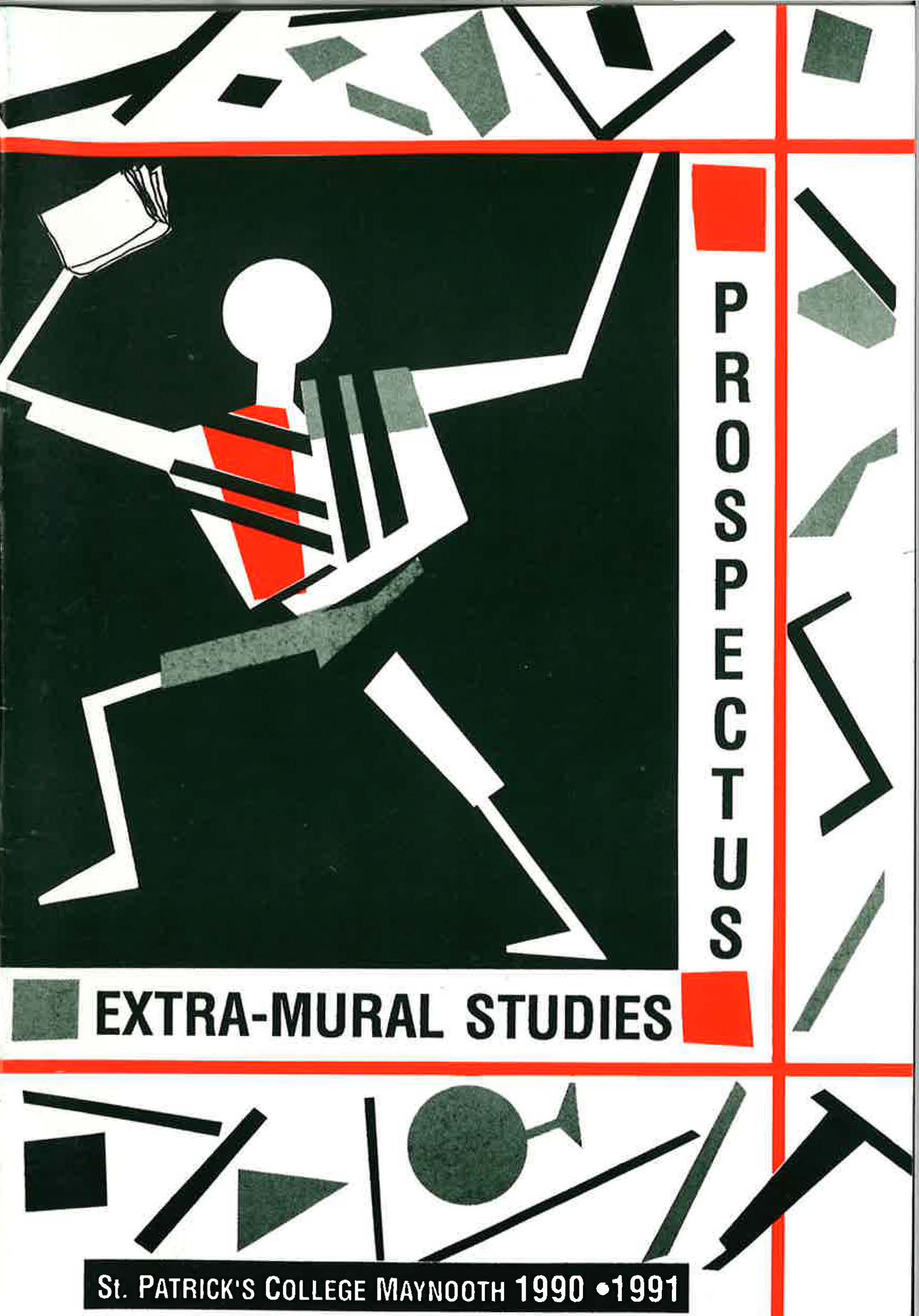
Cover of brochure 1990/91 showing a stylised figure of a figure holding a book 
Cover of brochure 1991/92 with drawing of a number of students with a doorway in the background 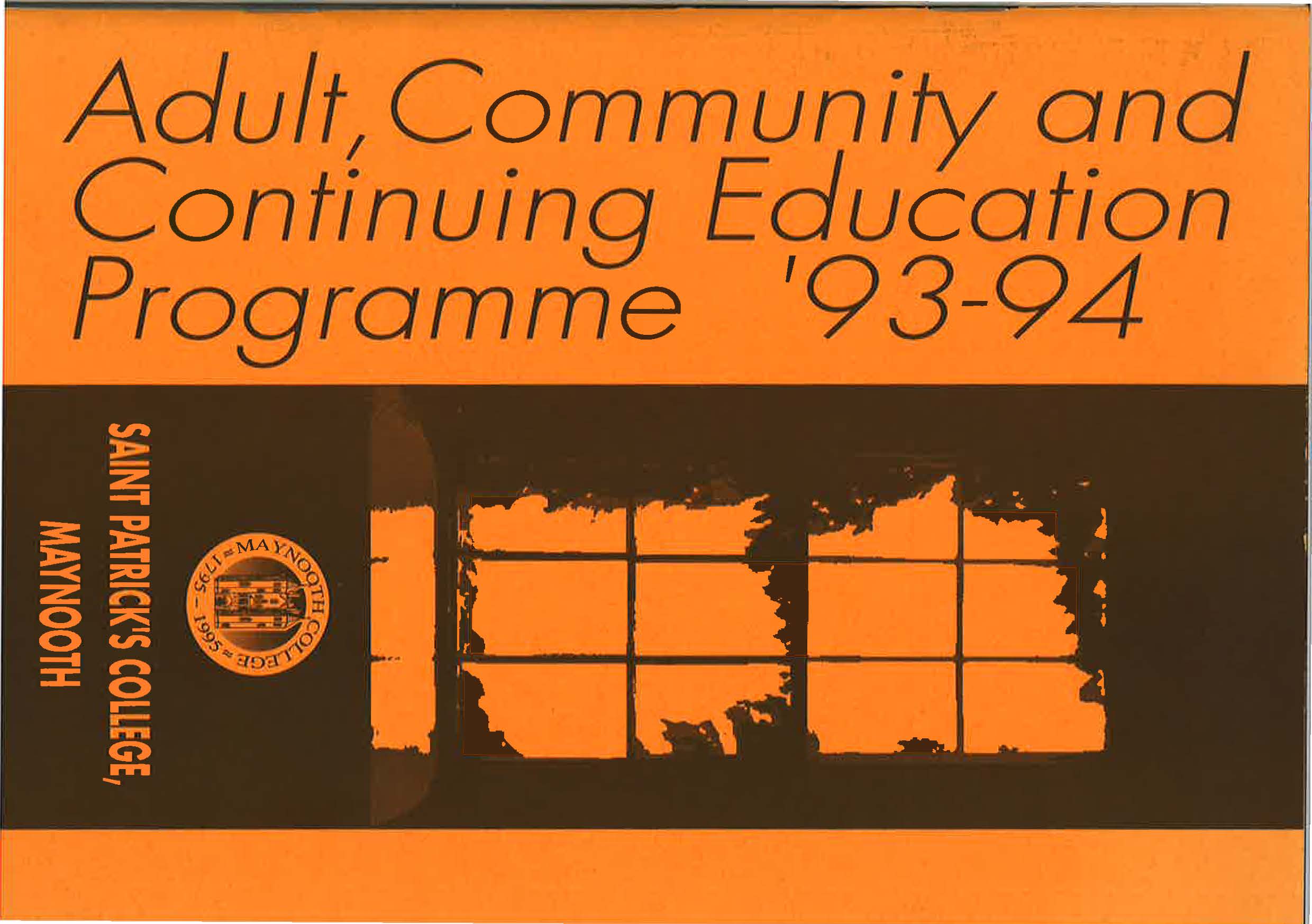
Brochure cover 1993/94 black text with image of a window on an orange background 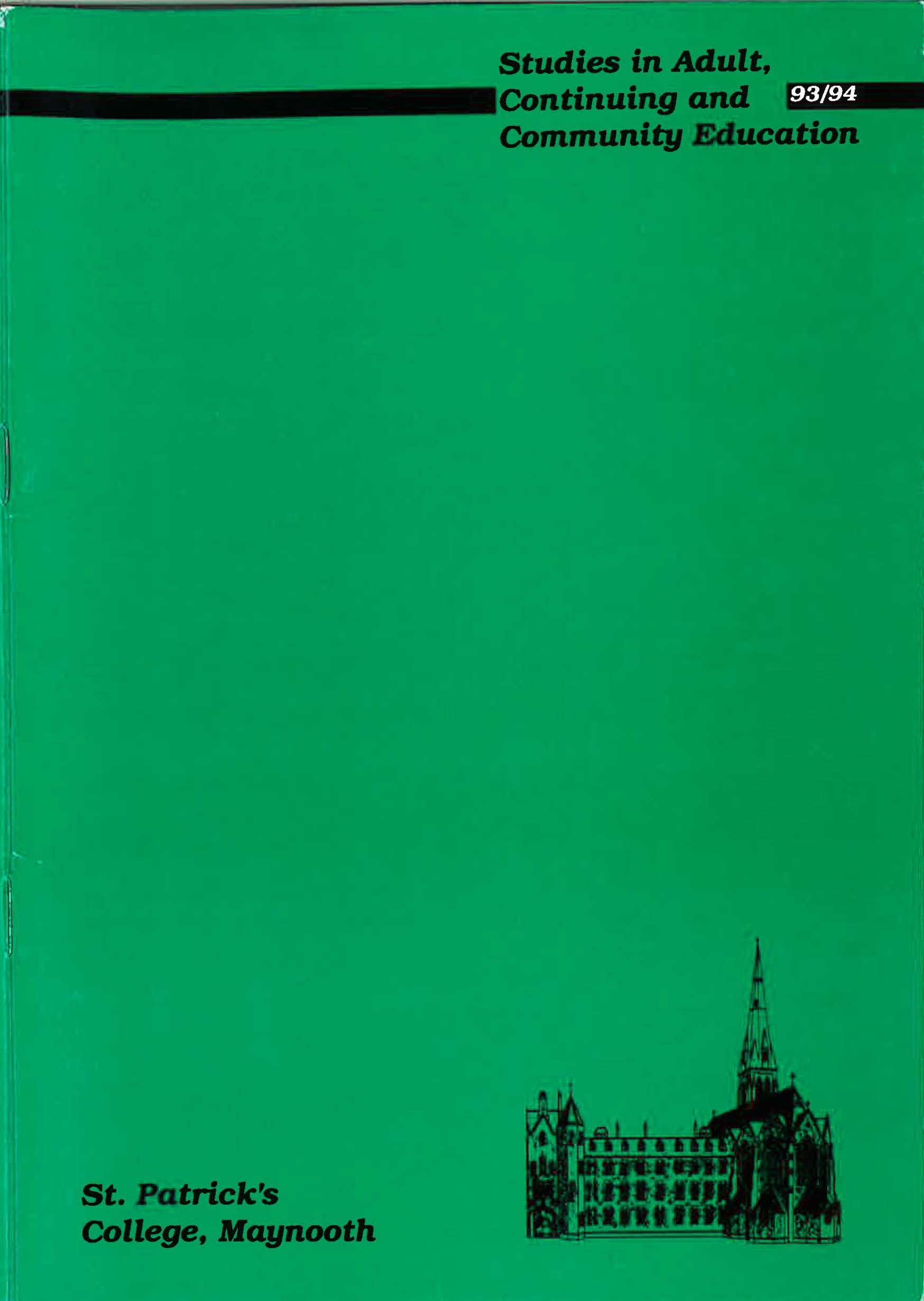
Brochure cover 1993/94 green background with black text 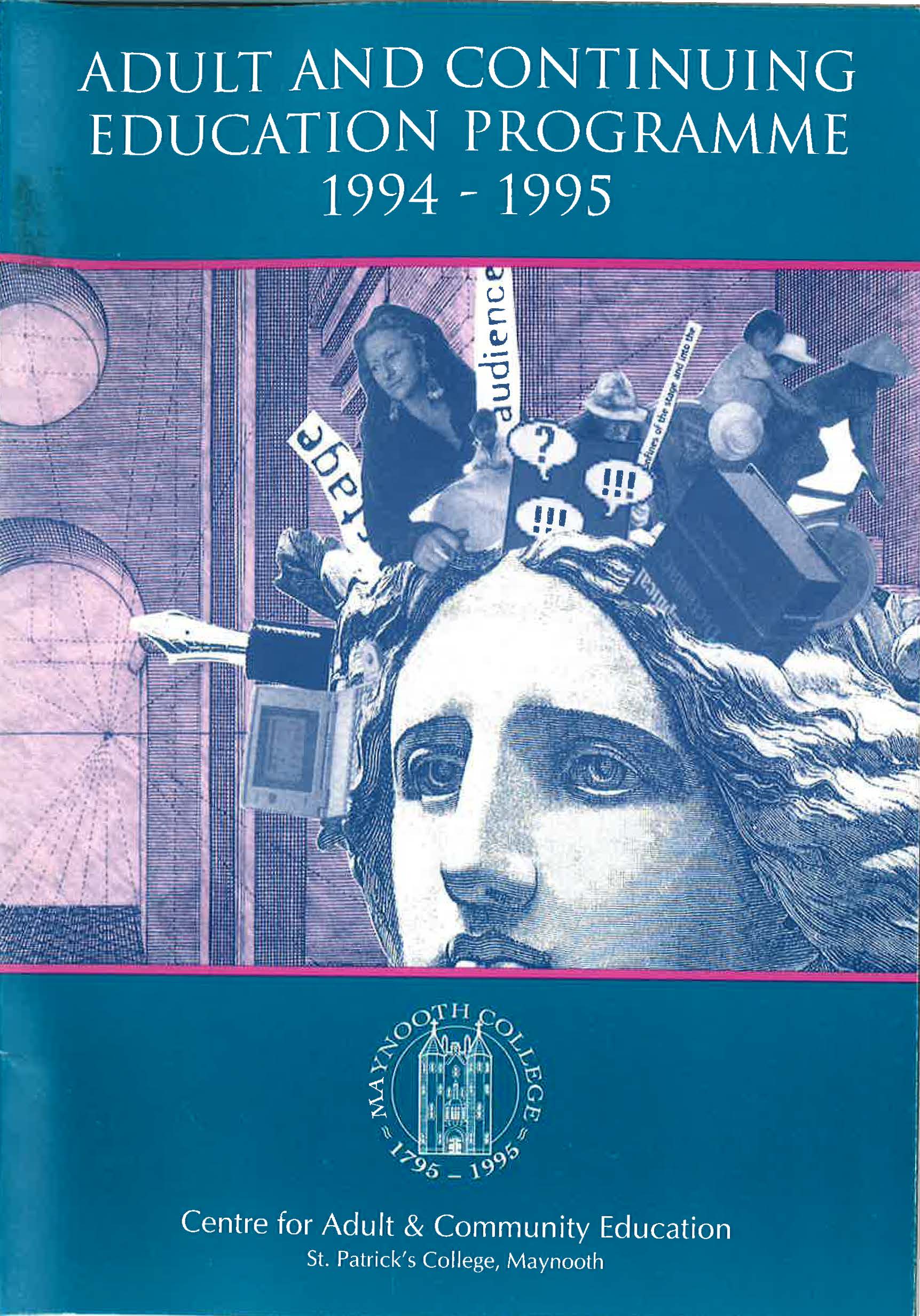
Brochure cover 1994/95 drawing of classical woman’s head with images relating to learning on her head 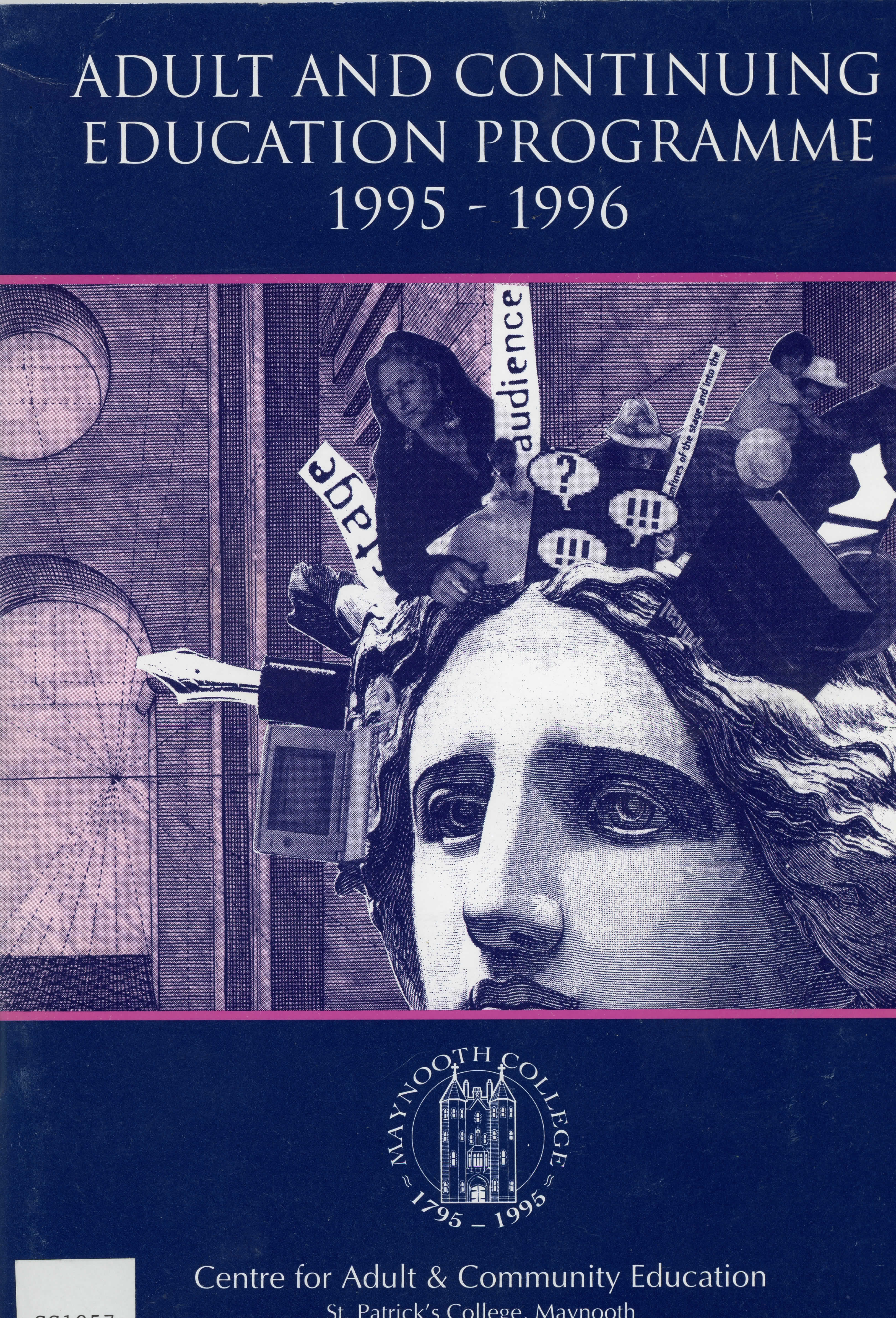
Brochure cover 1995/96 drawing of classical woman’s head with images relating to learning on her head 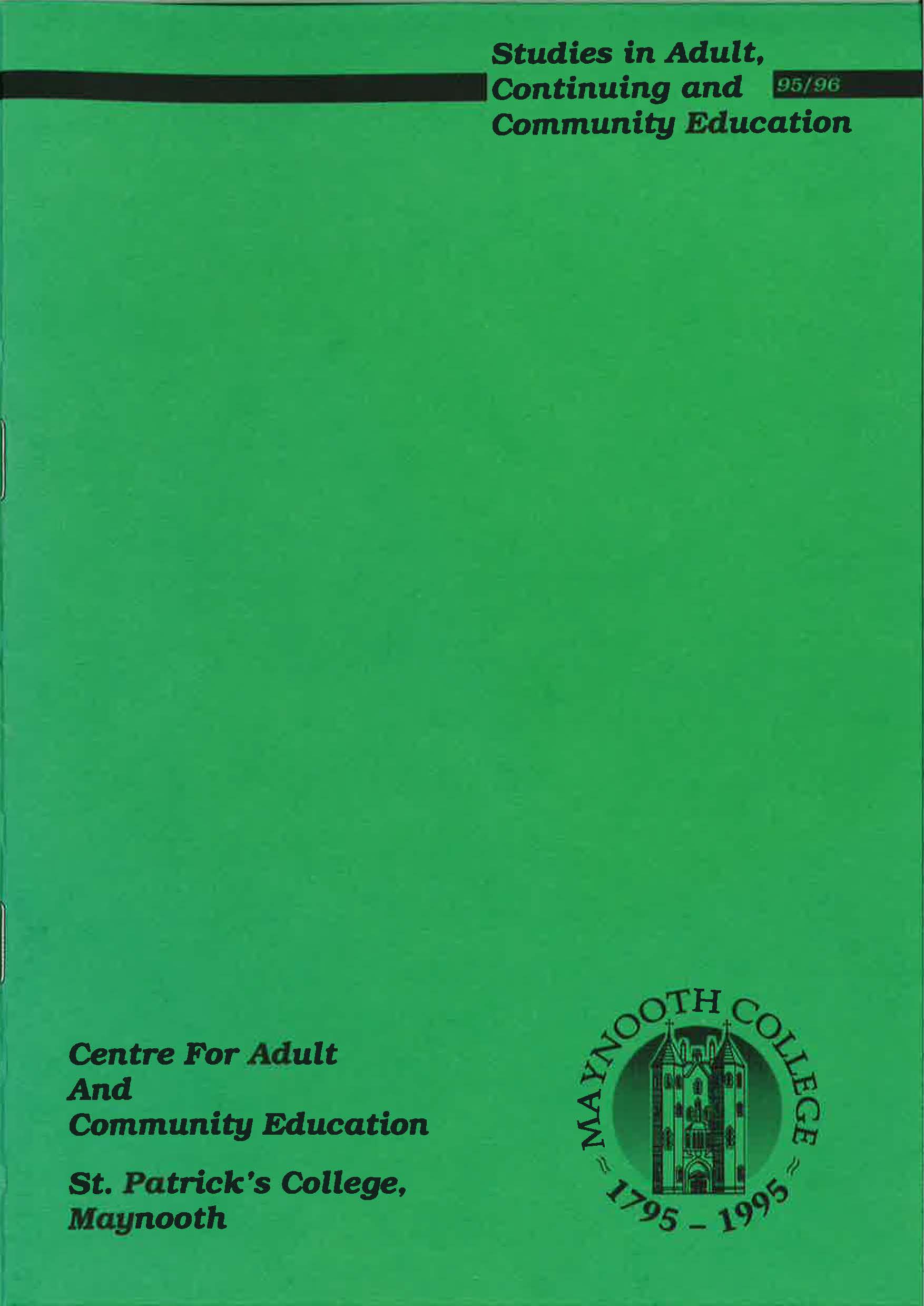
Brochure cover 1995/96 green background black text 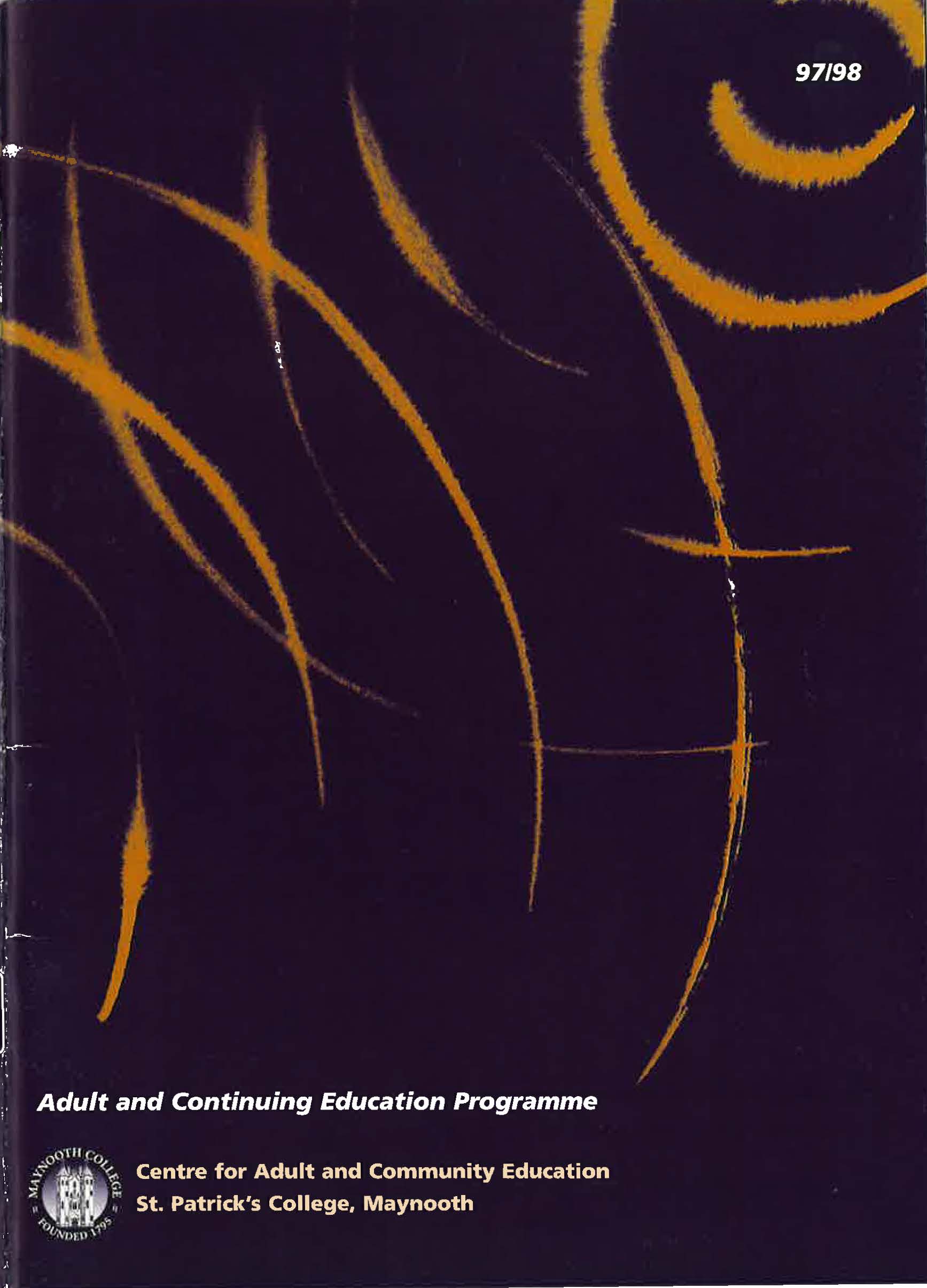
Brochure cover 1997/98 black background with orange swirls white text
Cross Border Initiatives
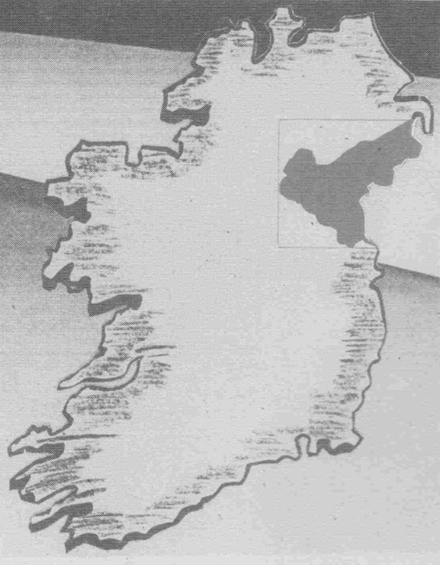
In the 1990s the Centre participated in an integrated development plan for the North East border area. This plan engaged local authority planning agencies on both sides of the border and identified possible opportunities for cross-border co-operation. In addition, throughout the latter half of the 1990’s NUI Maynooth, NUI Galway and University of Ulster worked with local leaders in the border counties.
Undergraduate and Postgraduate Courses
In 1993 the Centre offered three courses that awarded professional qualifications, the NUI Undergraduate Diploma in Continuing Education, the Postgraduate Diploma in Adult and Community Education and the MA in Adult and Community Education. The establishment of this first Master’s programme was a breakthrough moment legitimising the Centre’s role as a provider of advanced academic study within the university.
Outreach Certficates
In 1995 the Centre started delivering outreach certificates in urban and rural settings. The courses took place in urban areas such as Darndale and Ballyfermot as well as rural areas around Kells and Dunloe. The courses enhanced awareness and built capacity at local level and helped people discover their desire to progress formally. This would lay the foundation for the BA in Local and Community Studies and BSC in Rural development later down the line.
RUTAC Diploma in Rural Development
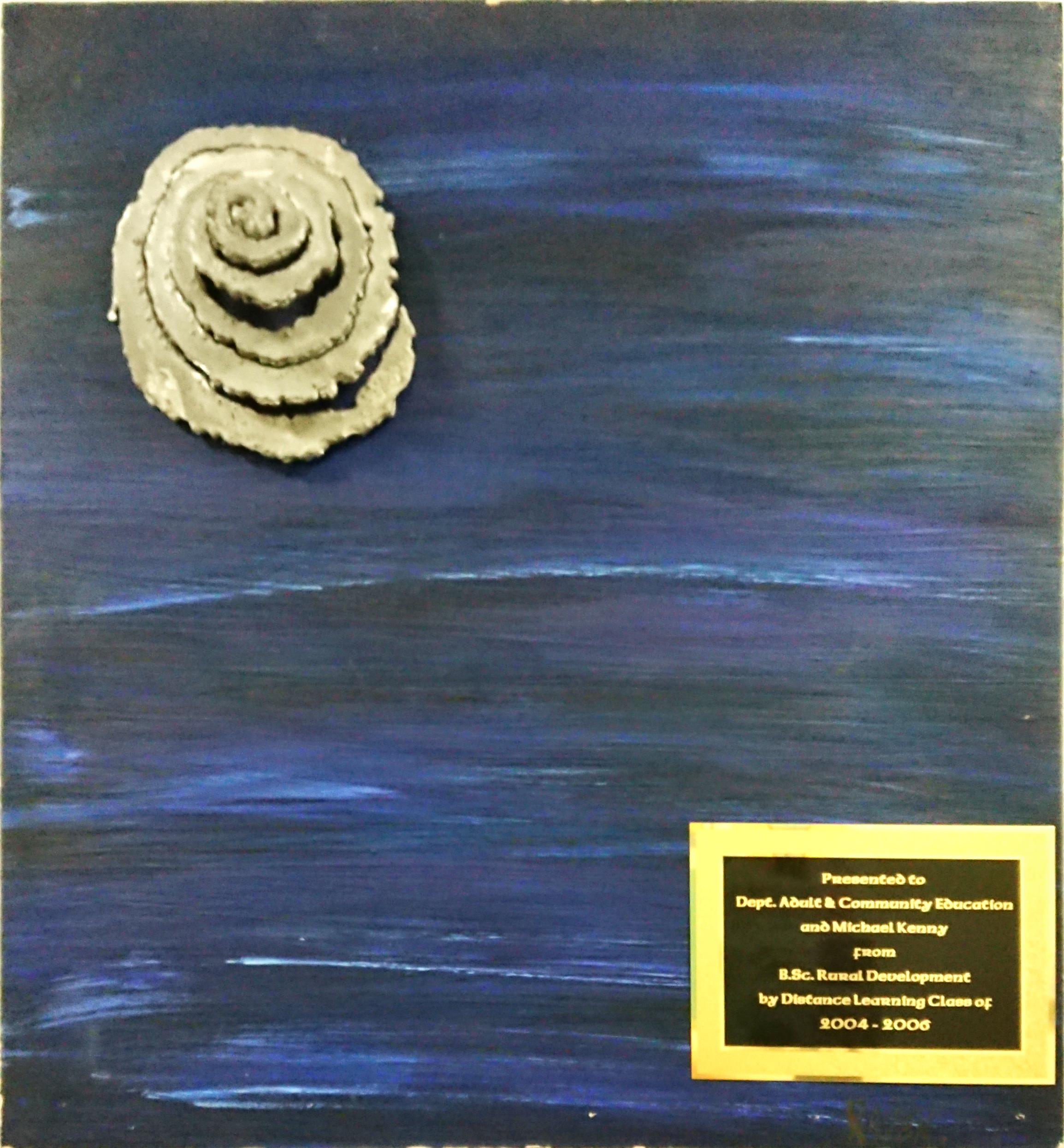
The RUTAC Diploma in Rural Development was a two-year, part-time undergraduate course designed and delivered as a collaborative venture between four Universities (Dublin, Galway, Cork and Maynooth). This Diploma originated as a response to the training needs of those promoting rural development in both a professional and voluntary capacity. The Centre delivered the Diploma in the North East and Midlands area.
The course was delivered through distance education methods supplemented with workshops, small study groups and individual student support. The Diploma received significant moral and financial support from the LEADER Companies, the rural based Area Partnership Companies and the Department of Agriculture, Food and Rural Development.
Higher Diploma in Arts (Adult Guidance & Counselling)
Established in 1997, the Higher Diploma in Arts (Adult Guidance & Counselling) was an innovative course which provided in-service training for FAS Placement Officers and Mediators from the Local Employment Service. The course was designed in consultation with the major stakeholders in the field of adult guidance and is the first of its kind in the Republic of Ireland. This course is the product of a long association with FAS, the national training and employment authority.
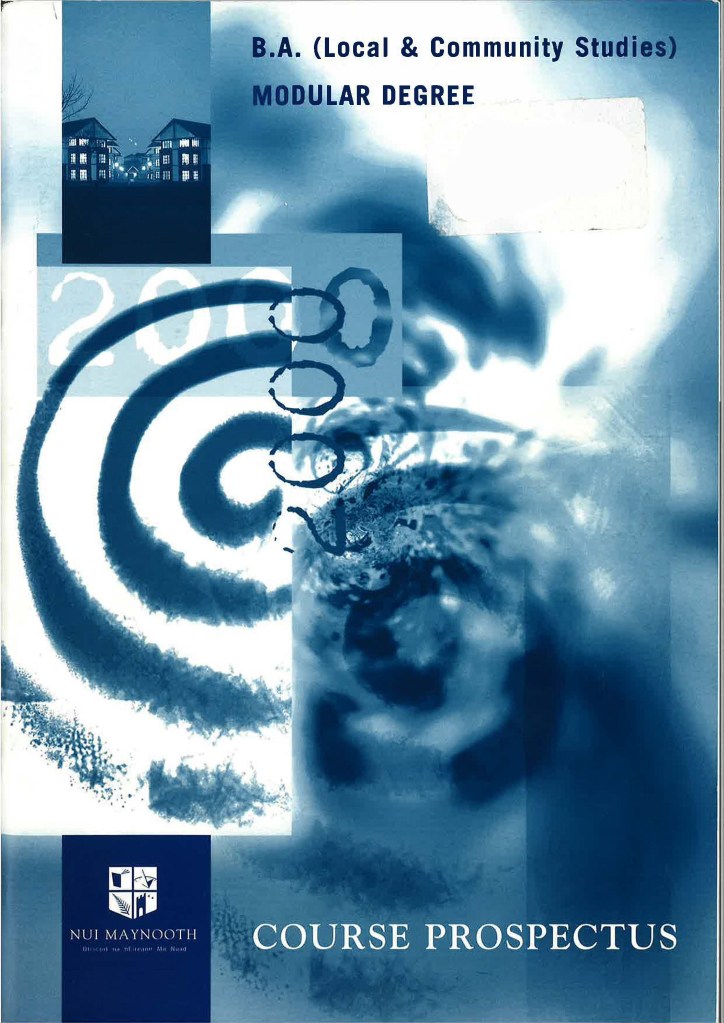
Bachelor of Arts in Community Studies and Local Studies opens doors
Introduced in 1997 as way to increase the accessibility of university education, Maynooth University as it was now called, introduced the first part-time bachelor of arts degrees in Ireland. The Department of Adult and Community Education coordinated these unique modular part-time evening degrees in Local Studies and Community Studies. This interdisciplinary programme took real collaboration between the eight departments and two university faculties involved to make it work. In 2026 the course is set to be replaced by a new degree that will give people more options by adding a third qualification, the BA in Adult, Community and Further Education.
FÁS Horizon Project
With unemployment in the Ireland during the mid 1990s at 21%, FÁS and the European Union funded and commissioned projects by the department. It helped to create projects such as the MAPS course, a two year diploma for those who are Deaf that incorporated sign language into a Diploma in Adult Education.

MAPS Diploma
Funded by the Horizon Project, MAPS was a two year Diploma in Adult Education adapted for use of sign language, the MAPS course was a historic breakthrough for access to third level education for not only Deaf people, but all those with disabilities. The project was organized in co-ordination between the centre for Adult and Community education and the Sign Language Association Ireland, being helmed by Mary Ryan and Liz Leonard with help from Eileen McCaul, Patricia O’Hehir, Rachel Pollard and Anne Ryan.
On completion of the course, an event celebrating the 18 graduates was attended by then President of Ireland Mary McAleese, with her stating- “Maynooth is now the trend-setter in providing access for the disabled – in providing an inclusive educational environment for those who, through no fault of their own, were unable to participate in the past.”

Kilkenny Campus
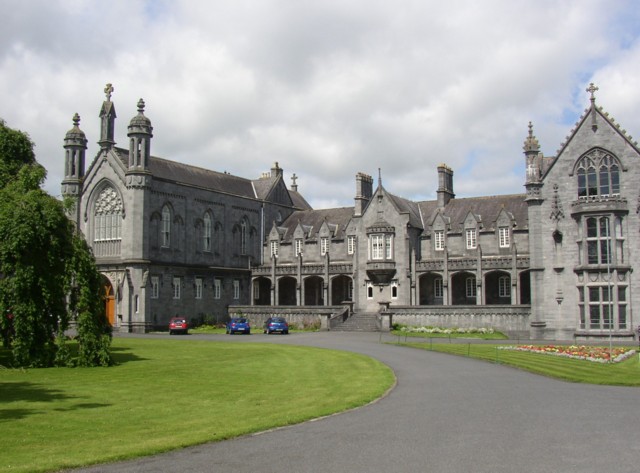
In 1997, the Centre took a lead role in establishing the University’s first outreach campus – in St. Kieran’s College, Kilkenny. The Kilkenny Campus of Maynooth University was established to provide undergraduate and postgraduate courses for adult students from Kilkenny and the south east. The campus ran courses such as the Diploma in Local and Communities Studies and Rural Development, before discontinuing the outreach campus in 2015.
MACE Press
MACE – Maynooth Adult and Community Education Publications – is a small publishing initiative founded by the centre. MACE was established in response to the lack of outlets to disseminate academic writing in Adult and Community Education and a demand from practitioners and policy makers for innovative and creative research pertaining to the Irish experience. MACE was established in 1996, and in that same year published it’s first book: Radical Learning for Liberation. Edited by Ted Fleming, Brid Connolly, David McCormack, and Ann Ryan, with contributions from Tom Collins, Jane Thompson and Jack Mezirow.

The cover of the first book published by MACE, Radical Learning for Liberation.

Move To Education House
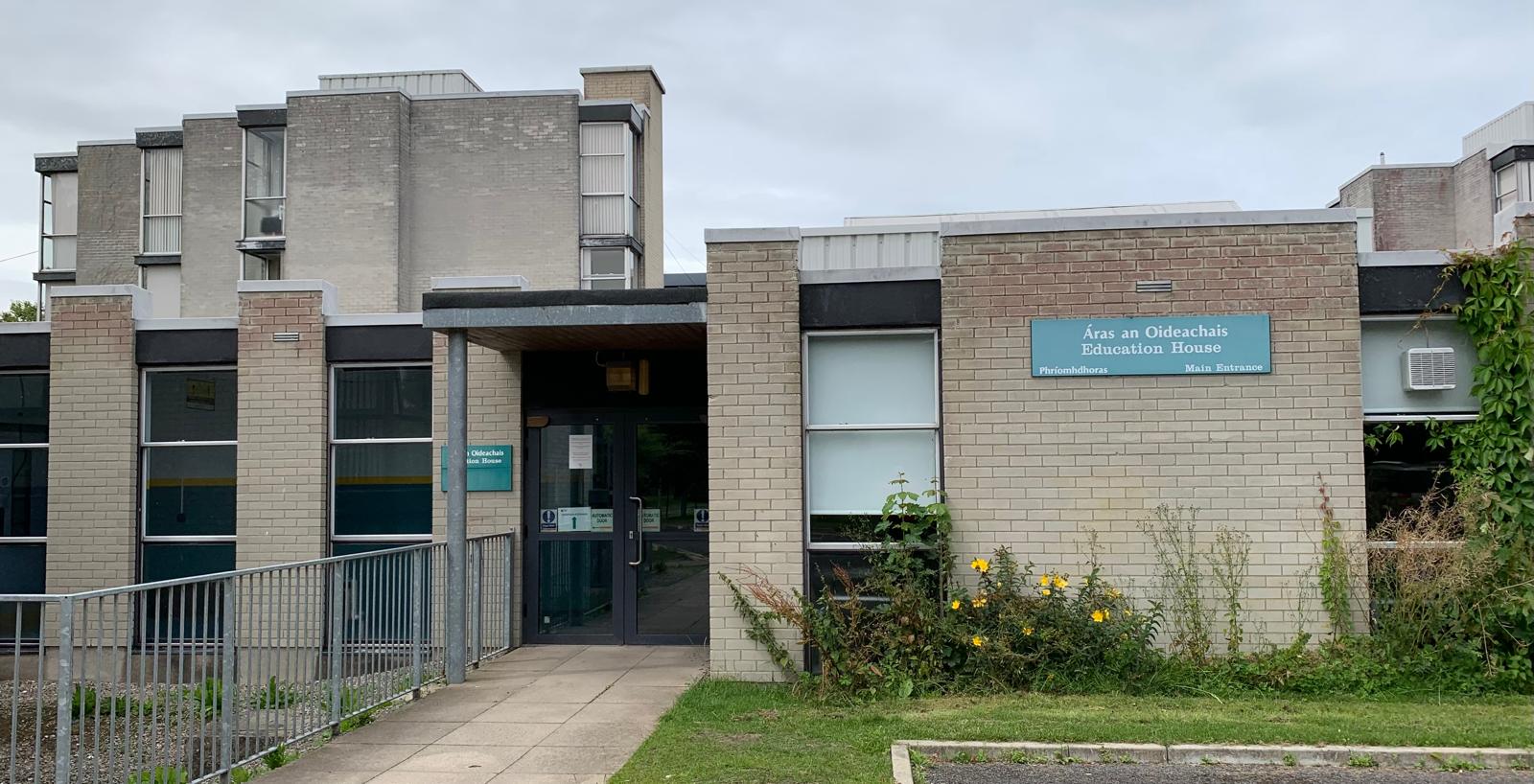
In November 1998 the Department relocated to the Education House in the North Campus.
Trailblazing Use Of Distance Learning
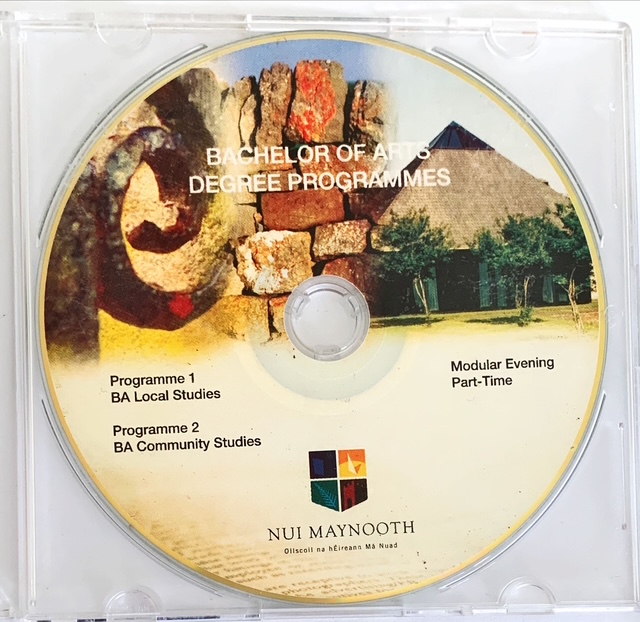
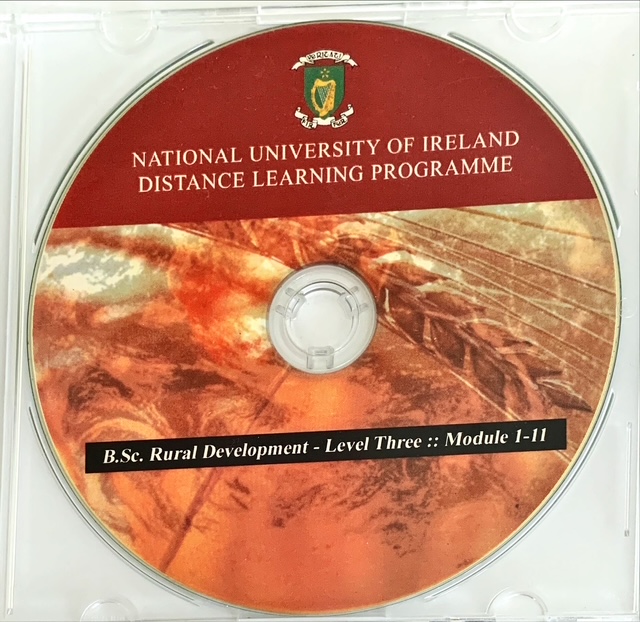
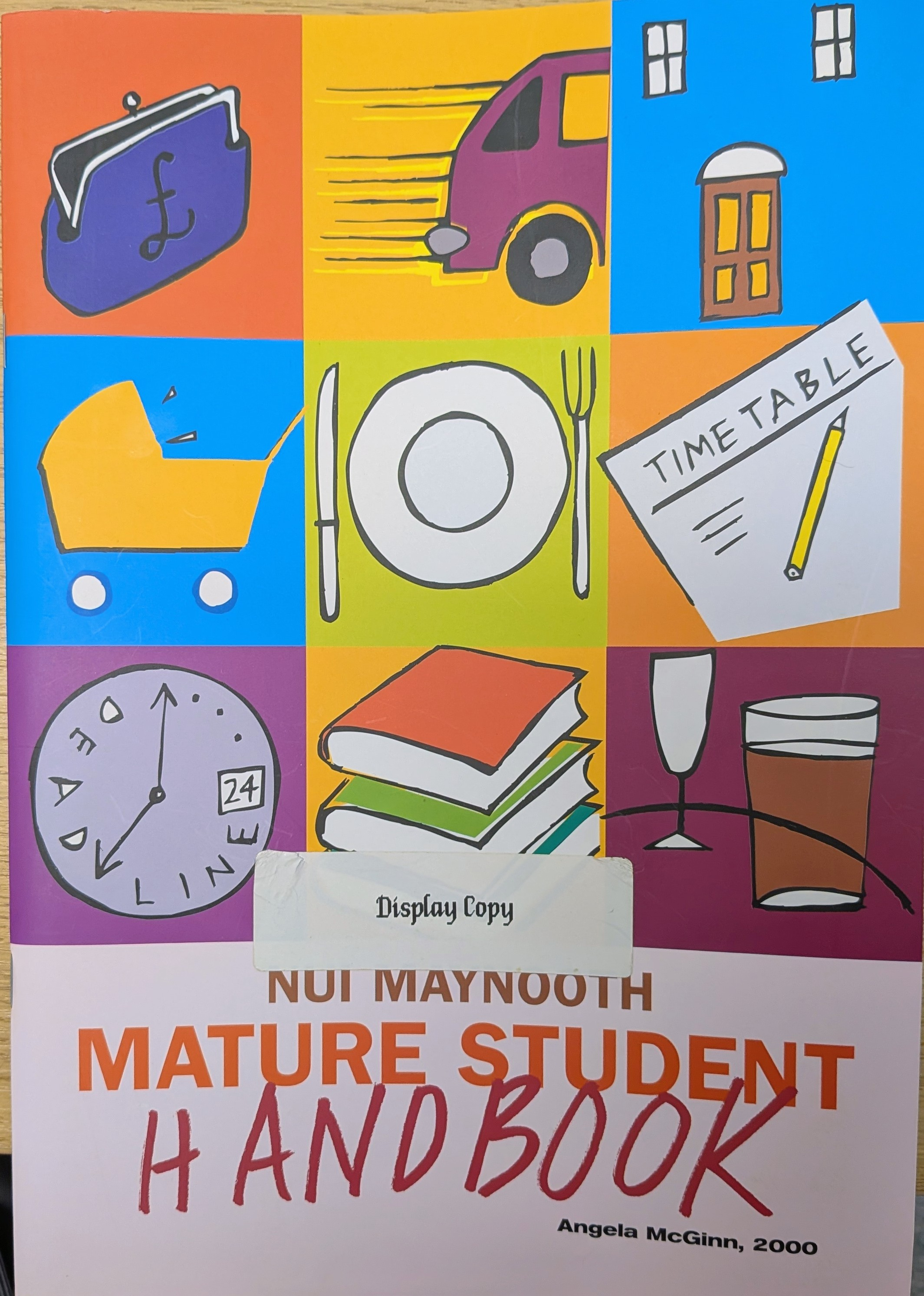
In 1998 the centre helped to pioneer the use of distance learning. Used on courses in both the Maynooth and Kilkenny campuses. Students would receive a CD containing all the information necessary to complete the course, allowing them to learn flexibly. As well as this the Degree in Rural Development that ran from 1996-2006 used a blended learning method to help rurally remote adults seek a higher education.
Mature Student Officer
Established in 1998 and funded by the Centre, the Mature Student Support Officer provided guidance, orientation, individual support, and skills workshops to accommodate the growing number of full-time mature students.
NUI Certificates
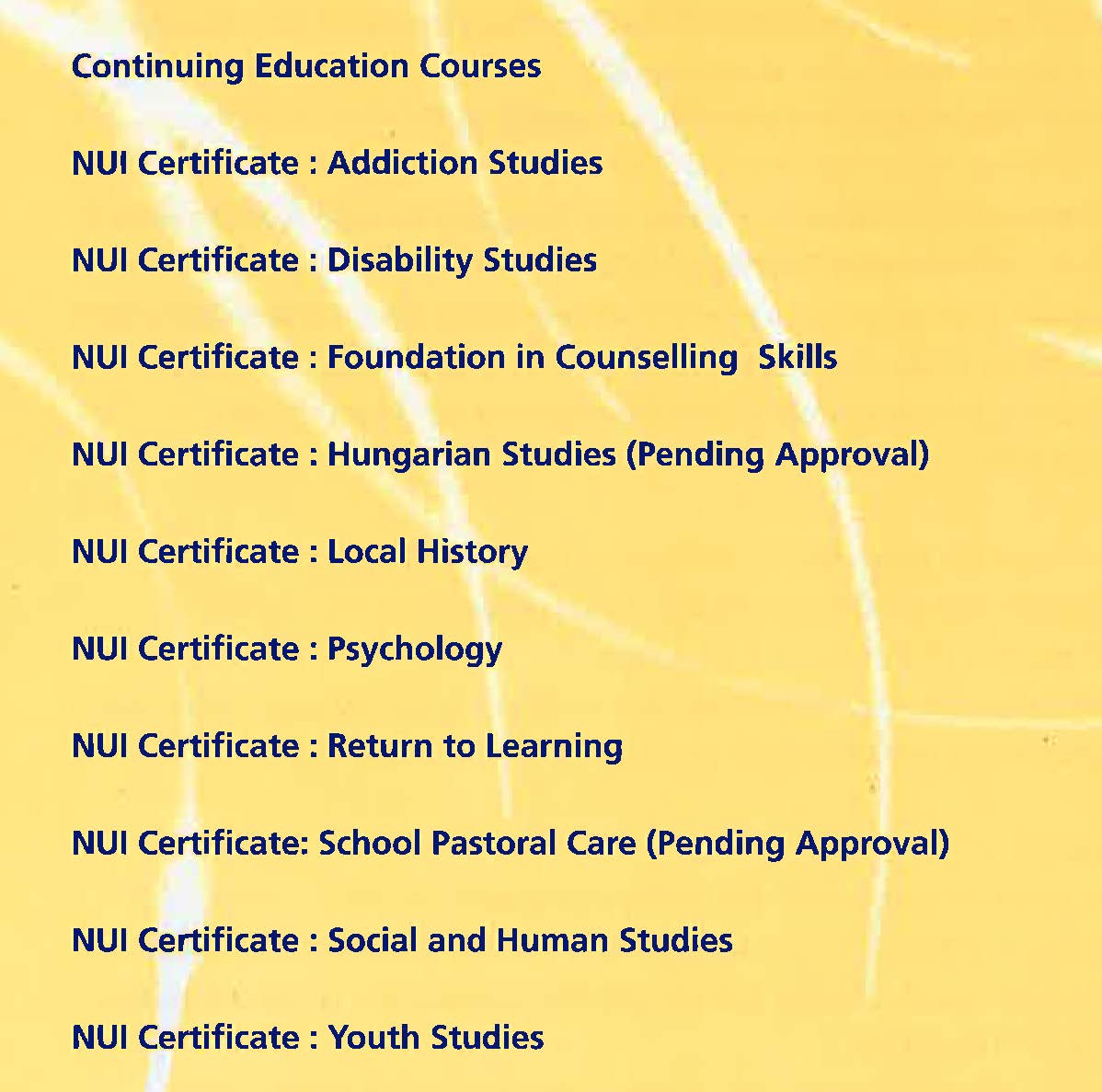
In 1999 the centre gained its first NUI recognized courses, evolving the previous extra mural courses. Now students who completed courses with the centre would receive a professional certificate that was part of the national framework. Pictured is the first set of NUI certificates offered.
2000s
The 2000s marked the decade where the Centre and adult education as a whole gained more recognition in Ireland, with the Centre being officially made a Department of Maynooth University, and the introduction of the White Paper on Adult Education acknowledging the importance of adult education in governmental policies.
Below is list of key moments in the 2000s, click on an entry to jump
Below is a list of some of the staff of the department in the 2000s

Bernie Grummell
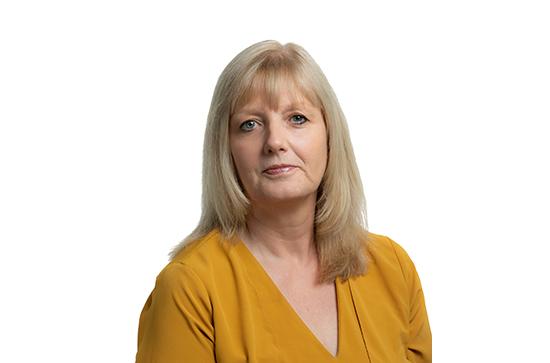
Kay Loughlin

Fergal Finnegan

Michael Murray
Political, Economic and Social Context
The 2000s were a decade of both prosperity and crisis. Early in the decade, the economic boom expanded employment, social mobility, and state investment in education, including adult and community learning. Policies such as the 2000 White Paper Learning for Life stressed lifelong learning, equality, and social inclusion. However, the 2008 financial crash brought growing unemployment and severe austerity. While there was an increased need for education opportunities – recognised as crucial for social and economic recovery and democratic participation – the devastating cuts to community development and education programmes decimated local provision.
White Paper
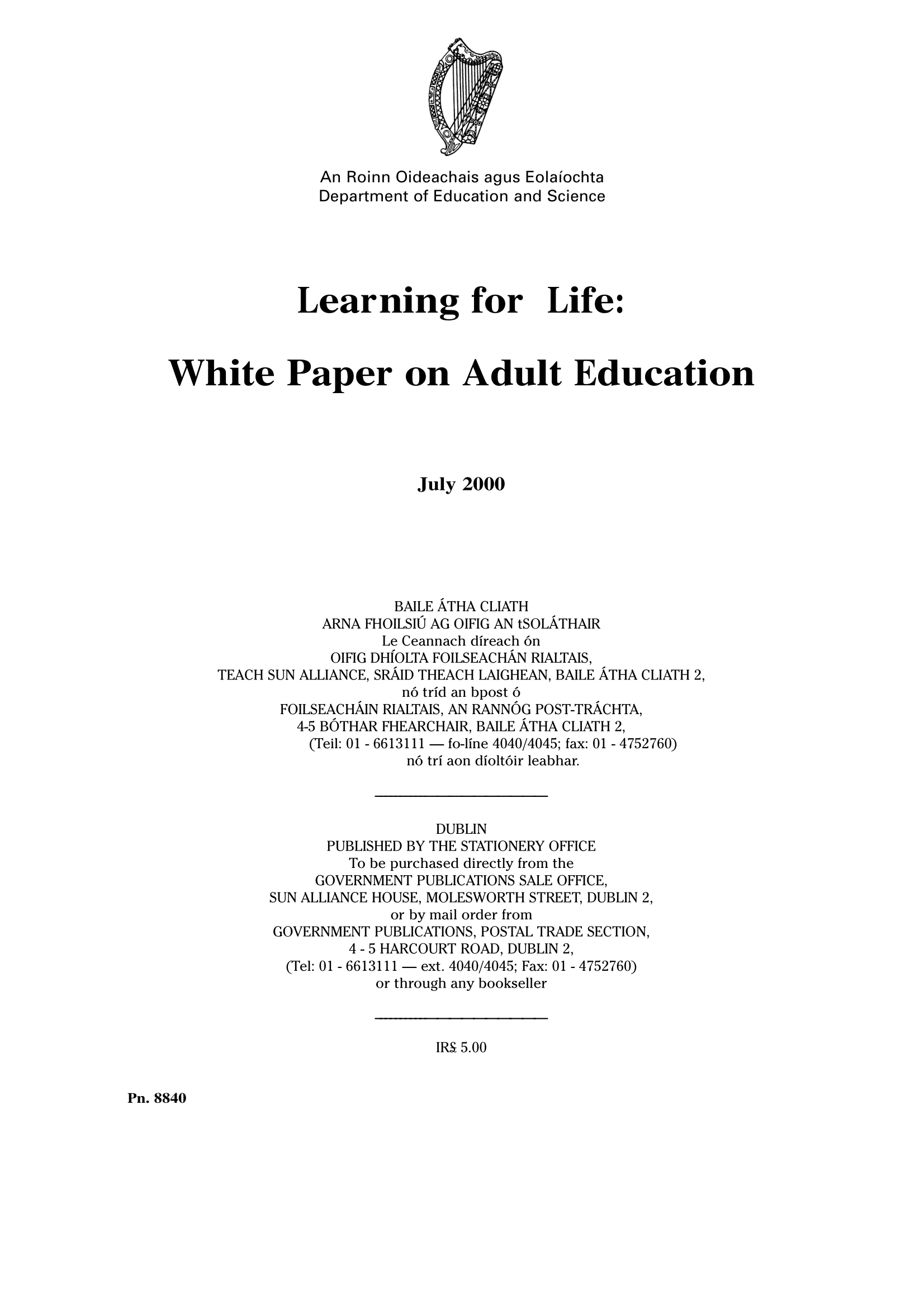
Ireland’s first White Paper on Adult Education was created in 2000 and marked the adoption of lifelong learning as the governing principle of educational policy. The Paper reflects on the role of adult education in society, builds on the consultation process following publication of the Green Paper, and sets out the Government’s policies and priorities for the future development of the sector. It articulates a clear educational philosophy, emphasising personal agency, empowerment, and recognising community education, previously overlooked. The Centre was heavily involved in pushing for and creating this policy document. Tom Collins, then Director of the Centre, was appointed special government advisor on the Paper. The White Paper’s enduring legacy lies in shaping Irish society’s understanding and valuing of lifelong learning as a concept and practice.
Transition to Department
In 2003 the Centre left behind its title and fully became a department of Maynooth University.
“The Department sees itself located in the University but with close links to the community. The Department navigates the boundaries of this interface and in the process is well placed to provide an incubation unit for new programmes and other developments in the University. Examples of this are the modularised BA (Local and Community Studies) for mature students in NUIM and the NUIM Outreach Campus in Kilkenny and the MA (Leadership, Management and Defence Studies). Being at this interface gives the University a unique profile in Ireland as adult friendly and accessible.”
-Ted Fleming, Acting Head of Department 2004
Below is a video highlighting the work of the department (6mins).
Leadership, Management and Defence Studies
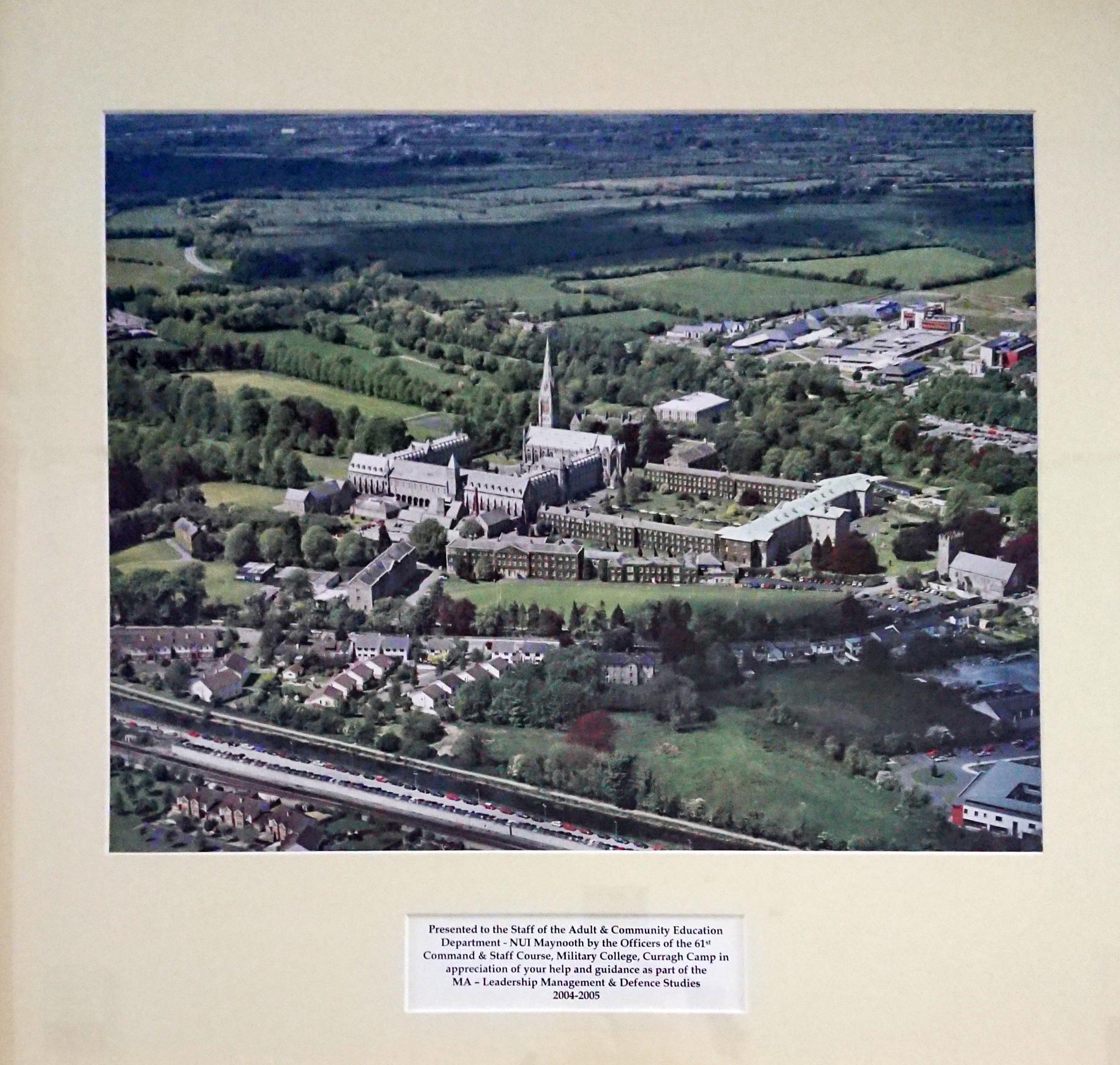
Starting in 2002, the MA in Leadership, Management and Defence studies is a joint venture involving NUI Maynooth and the Command and Staff School of the Military College. This MA, which incorporates the established Command and Staff military training course plus a minor dissertation, is delivered by the Command and Staff School of the Irish Defence Forces and the Department of Adult and Community Education. This course was funded by the Department of Defence and is located in the Curragh Camp, Co. Kildare.
First Quality Review
In 2004, the Department’s first quality review was conducted, and commended the Department on their commitment and innovative approach to lifelong learning.
“We were impressed by the enthusiastic response from the students whom we met about the beneficial impact that their involvement with the University, through the programmes of the Department, has had on their lives, both professionally and personally. We would wish to emphasise the importance for the University of the role of the Department in acting as an “ambassador” for the reputation and profile of the University across a wide range of influential community contexts in the locality and the region.”

Crisis Pregnancy Counselling Course
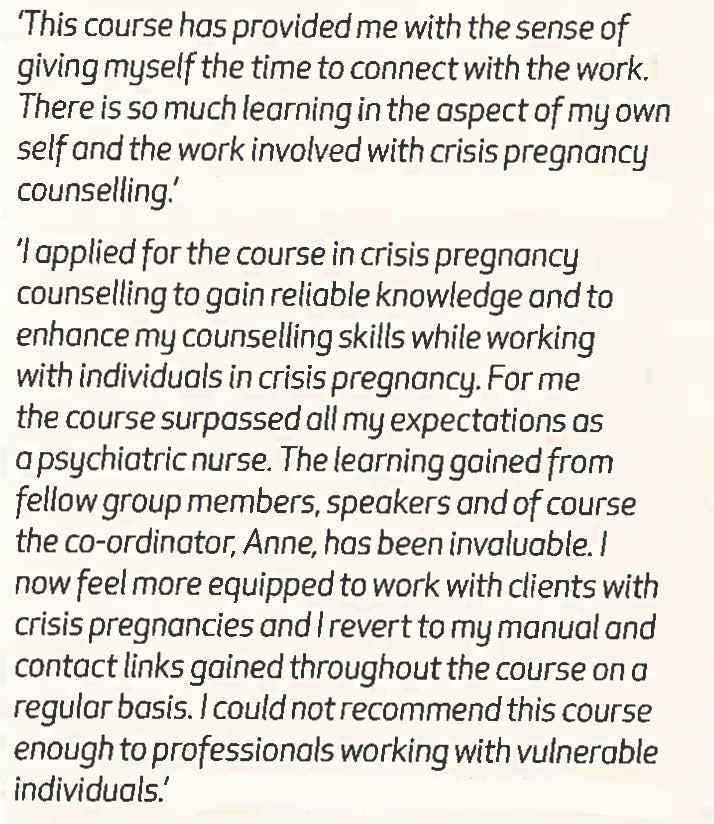
In 2005, the Department was commissioned by the HSE Crisis Pregnancy Programme to deliver an NUI Certificate in Crisis Pregnancy Counselling. The course provided sensitive, in-service training for professionals, creating safe spaces for dialogue on differing perspectives on crisis pregnancy. The programme emphasised ethical decision-making and professional integrity, helping participants navigate complex, emotionally charged situations. It became a model of good practice in the field, offering practical guidance, reflective learning, and support for those working directly with women facing unplanned pregnancies in the decade before Ireland’s referendum on the Eighth Amendment.
Centre for Research in Adult Learning and Education (CRALE)
Established in 2007, the Centre for Research in Adult Learning and Education (CRALE) undertakes a wide range of research projects aimed at enhancing adult education and inclusion. Its work spans adult guidance and counselling, recovery education, disability and independent living, crisis pregnancy, and professional development for cultural and ethnic inclusion. CRALE’s research emphasises transformation, equality, democracy, and innovation, collaborating with communities, practitioners, and policymakers to bridge theory and practice. The Centre also supports staff and student research, fostering socially engaged, inclusive, and transformative approaches to lifelong learning. These initiatives highlight CRALE’s broad scope, addressing educational, social, and economic challenges both locally and internationally, while promoting social justice, empowerment, and inclusion in adult and community education.
Return to Education for People in Recovery: The Soilse Project
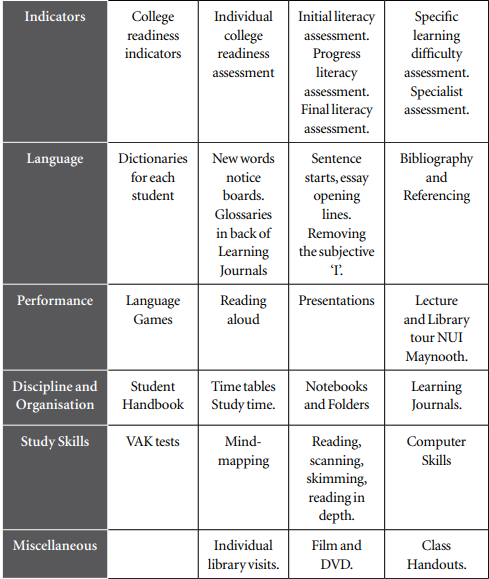
In 2008 the Soilse project was introduced to create a return to education course set up to cater for the needs of people recovering from heroin addiction in a Dublin Rehabilitation project. Soilse sought the help of the Department as a way of bridging both the structural and individual gaps that recovering people have en route to educational progression. Pictured in a college readiness matrix designed as a part of the project.

Lifelong Learning in Palestine
Between 2008-2012, the Department partnered with four Palestinian universities on a project developing lifelong learning networks across the West Bank and Gaza
2010s
During the first full decade as a Department of Maynooth University, research projects started to become larger and more central to the Department’s work. A significant milestone was the establishment of DACE first doctoral programmes. As well as this, the Department relocated to its current home in the School of Education. Despite the new title, the Department’s work was still just as focused on inclusivity and access, with the introduction of ComMUniversity and Turn To Teaching programmes.
Below is list of key moments in the 2010s, click on an entry to jump
Below is a list of some of the staff of the department in the 2010s

Camilla Fitzsimons
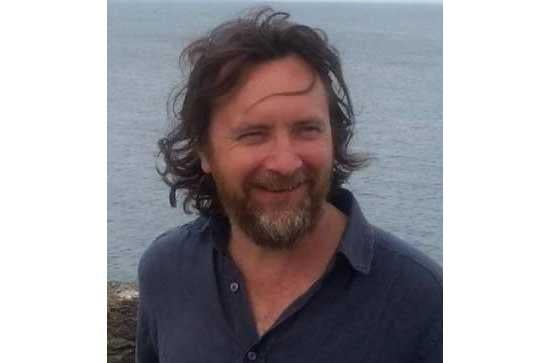
Jerry O’Neil

Rose Gallagher

Derek Barter
Political, Economic and Social Context
In the 2010s, Ireland moved from deep recession to gradual recovery following the 2008 crash and EU-IMF bailout. Severe austerity measures dominated the early decade, reducing funding for community education and local development. Landmark changes such as the 2015 Marriage Equality and the 2018 Repeal of the Eighth referendums reflected a more inclusive society. At the same time, the rising inequality, housing crisis, and increased migration highlighted the need for adult learning opportunities. Policy developments included the establishment of SOLAS (2013) and Education and Training Boards, prioritising labour-market activation. While adult and community education retained a social inclusion role, policy increasingly framed it within workforce development and skills enhancement aligned strongly with economic competitiveness.
MA in Community Education, Equality and Social Activism
Created and coordinated between the Department of Adult Education and the Department of Sociology, the programme was specifically designed to develop thinking about radical education and critical pedagogy; power and praxis in social movements; and understandings of equality, transformation and sustainability. Central to the approach adopted on the course was the idea of ‘learning from each others struggles’ and emphasizing the importance of creating broad networks of support/solidarity between different movements. The course ran from 2010-2015.
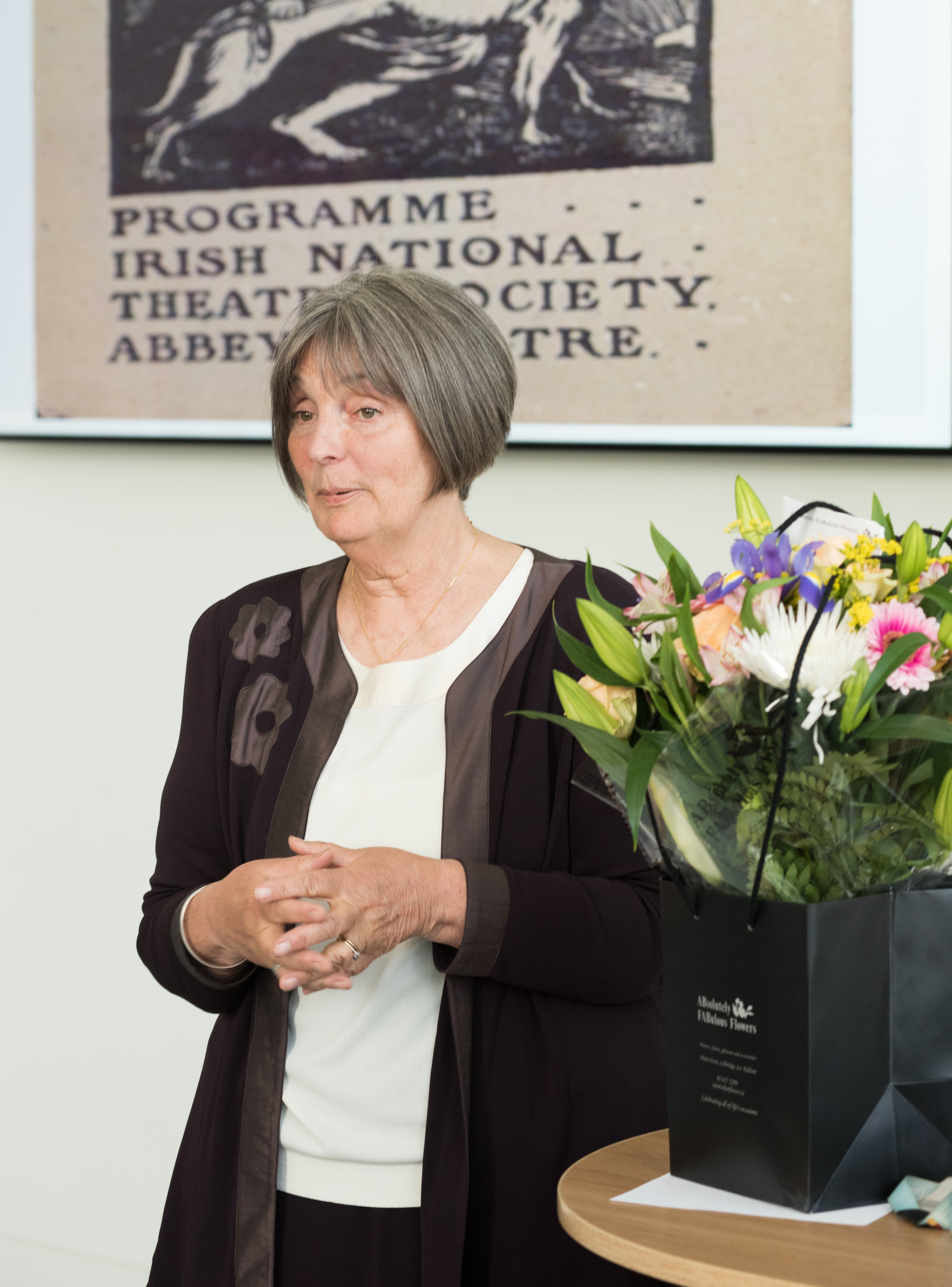
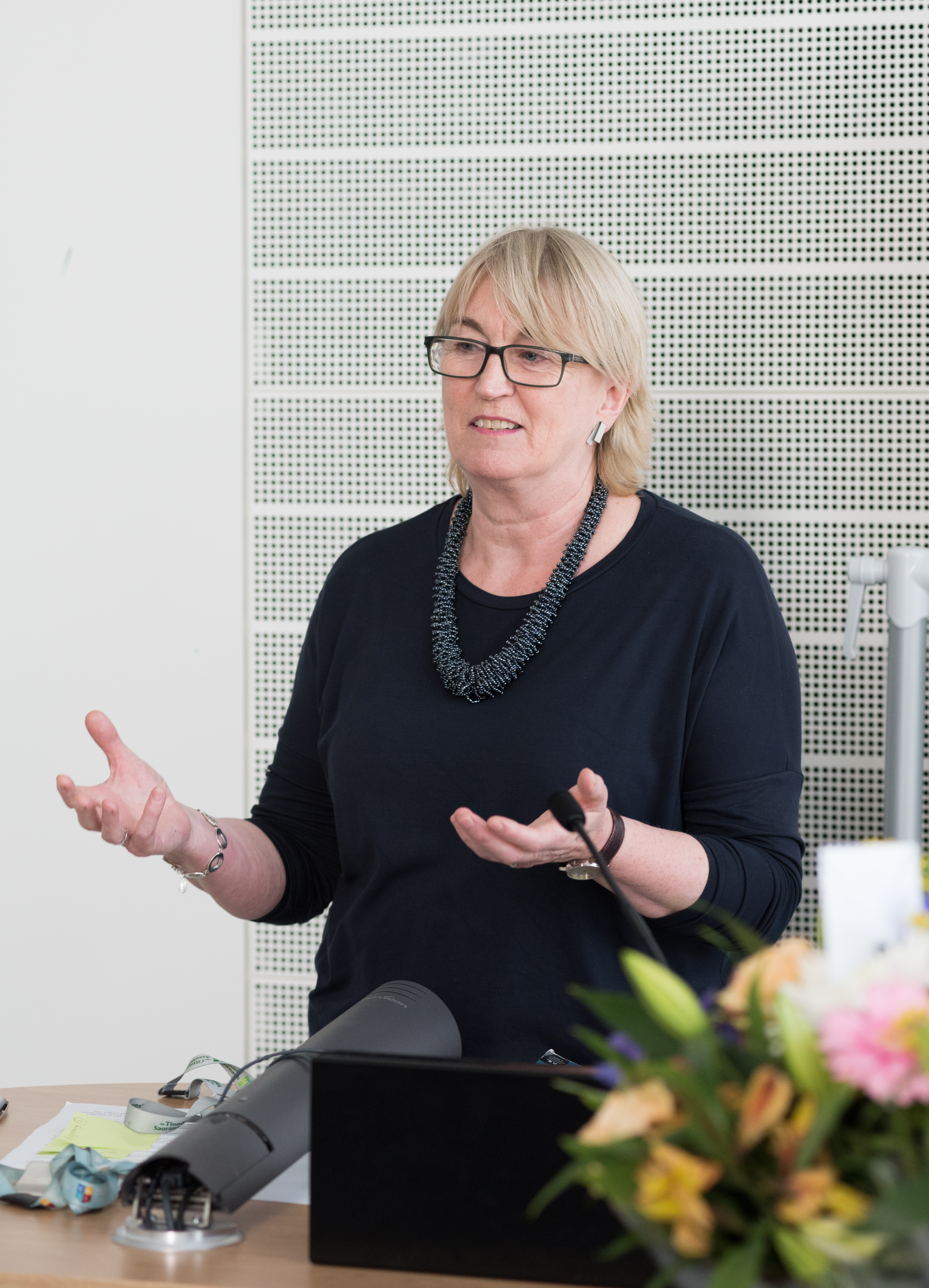
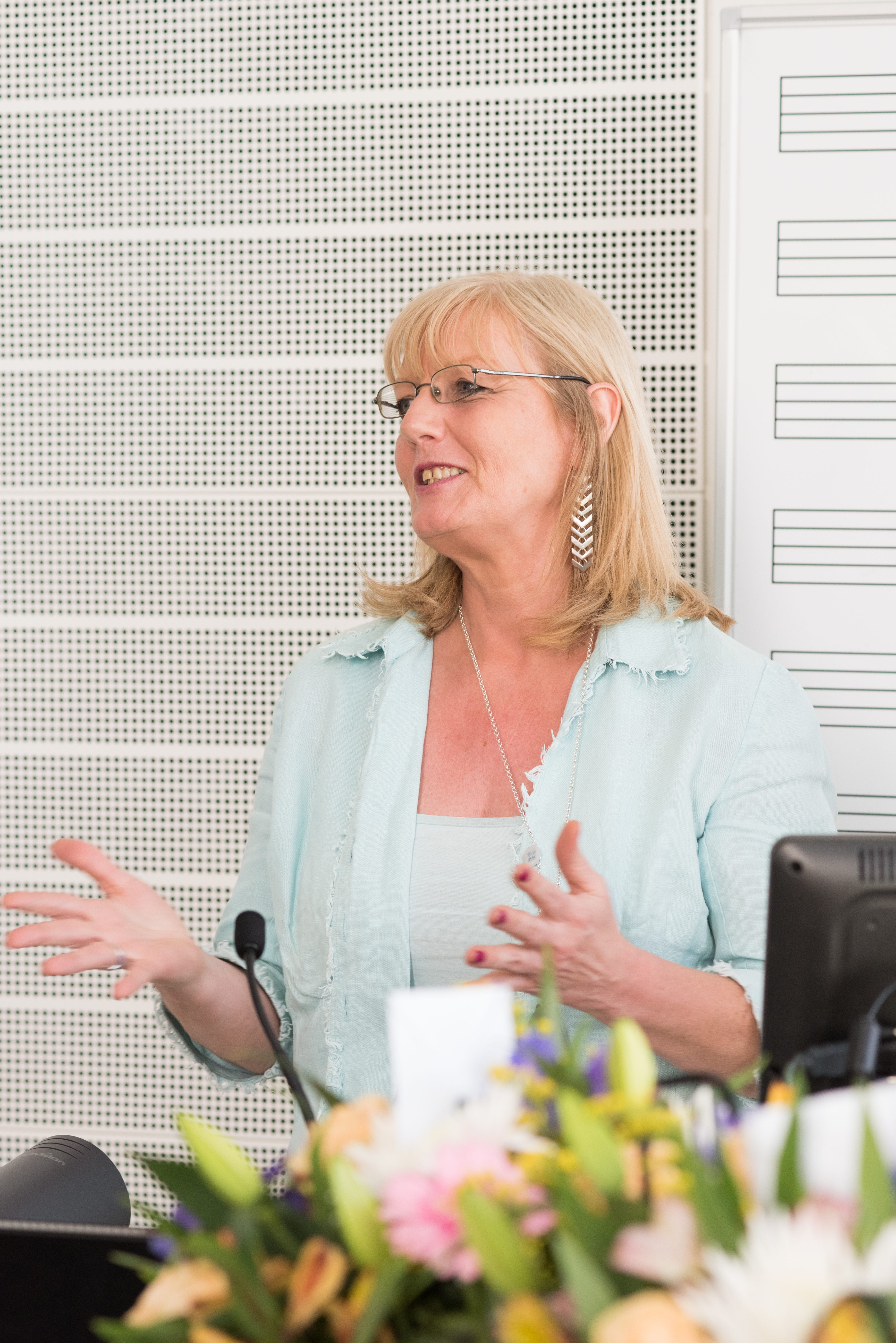
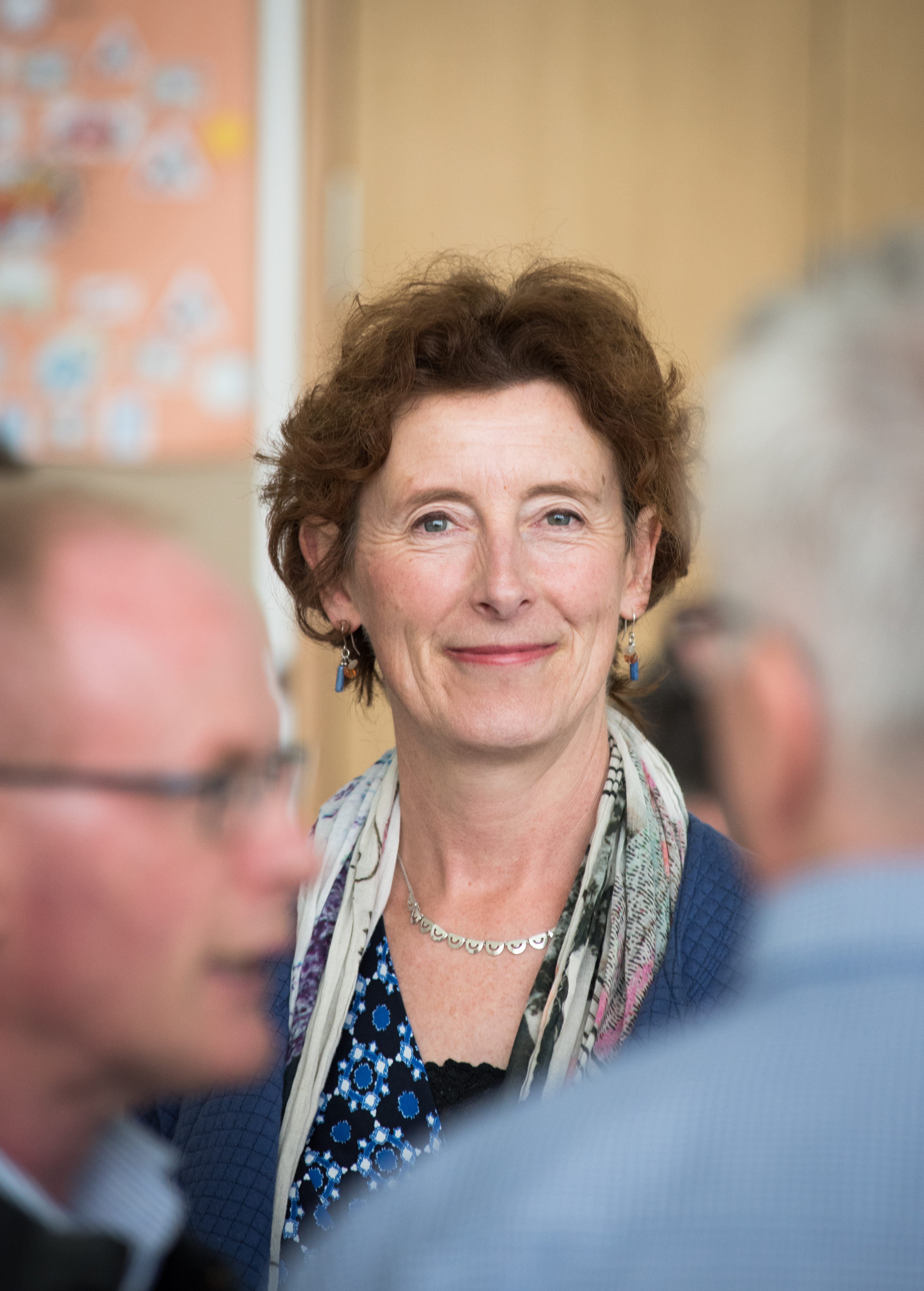
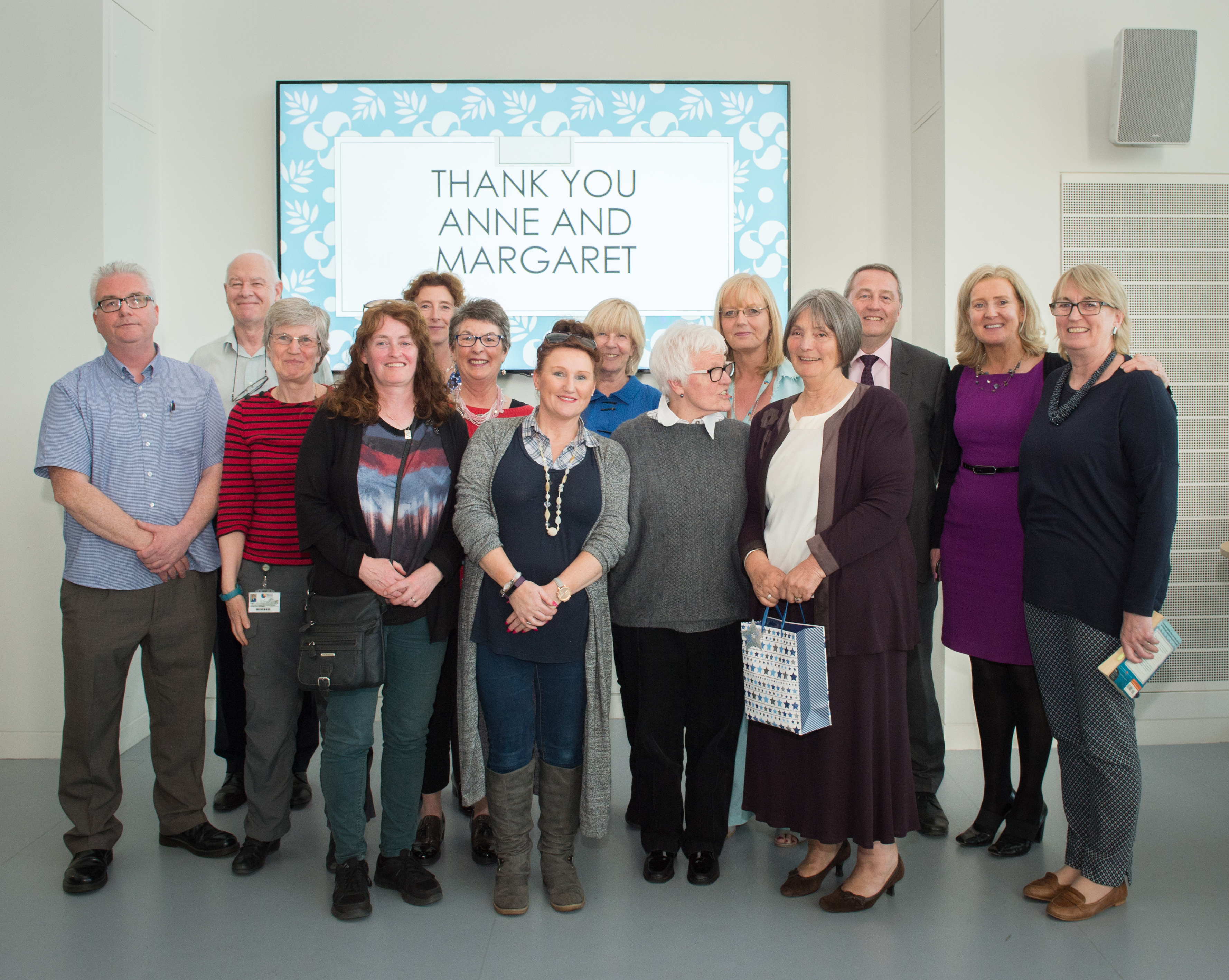
Below is some photos of staff and others celebrating the careers of Anne Roundtree and Margaret Sweetman.
ComMUniversity
Introduced in 2011, ComMUniversity is a gateway for people to enter higher education, but it’s much more than just another education project or programme. It can be the first point of contact for people who would not normally think of university as a place for them. the participant attends one morning per week in their local library for two to two and a half hours. They take subjects such as local history, politics, sociology and philosophy.
Edward M Kennedy Institute for Conflict Intervention
The Institute was established in 2011 by Dr Anne Ryan, DACE, and Prof Robert Gallivan (School of Business, MU). Initially, the Institute focussed on work with conflict-affected communities, teaching mediation and peacemaking, engaging with Northern Ireland, former paramilitaries, and international peace practitioners. The Institute’s current mission is to enhance society’s capacity to address conflict constructively through teaching, research, and community engagement.
Higher Diploma in Further Education
The Higher Diploma in Further Education (HDFE) is a postgraduate programme for those working in further education settings, enhancing teaching skills, reflecting on practice, and advancing careers in adult and community education. Since its inception the course has become a key pathway for educators seeking formal qualifications, combining academic study with applied practice, and strengthening the quality and recognition of adult and further education teaching in Ireland. In September 2012, the Teaching Council of Ireland approved and awarded professional accreditation to the HDFE programme as a qualification for Initial Teacher Education – Route 3.
Centre for the Study of Irish Protestantism
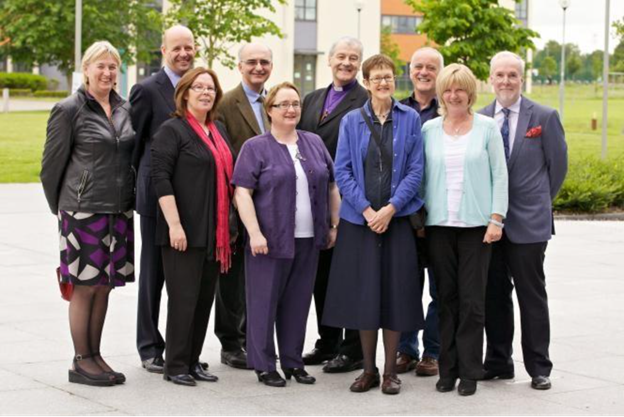
Established in 2012 within the Department, the Centre for the Study of Irish Protestantism (CSIP) explores Protestantism’s social, historical, cultural, and spiritual dimensions in Ireland, highlighting its distinct identity, evolving communities, and underexplored perspectives within a predominantly Catholic society. Its first major public event was the two-day conference themed Shaping Identities: A Historical and Cultural Exploration of Irish Protestantism held in June 2012. Apart from hosting an annual conference, the Centre has been engaged in three major undertakings: A Journey in Self-Belief, Academic Consultancy, and Young Centre for Anabaptist and Pietist Studies.
Transformative Education Network (TEN)
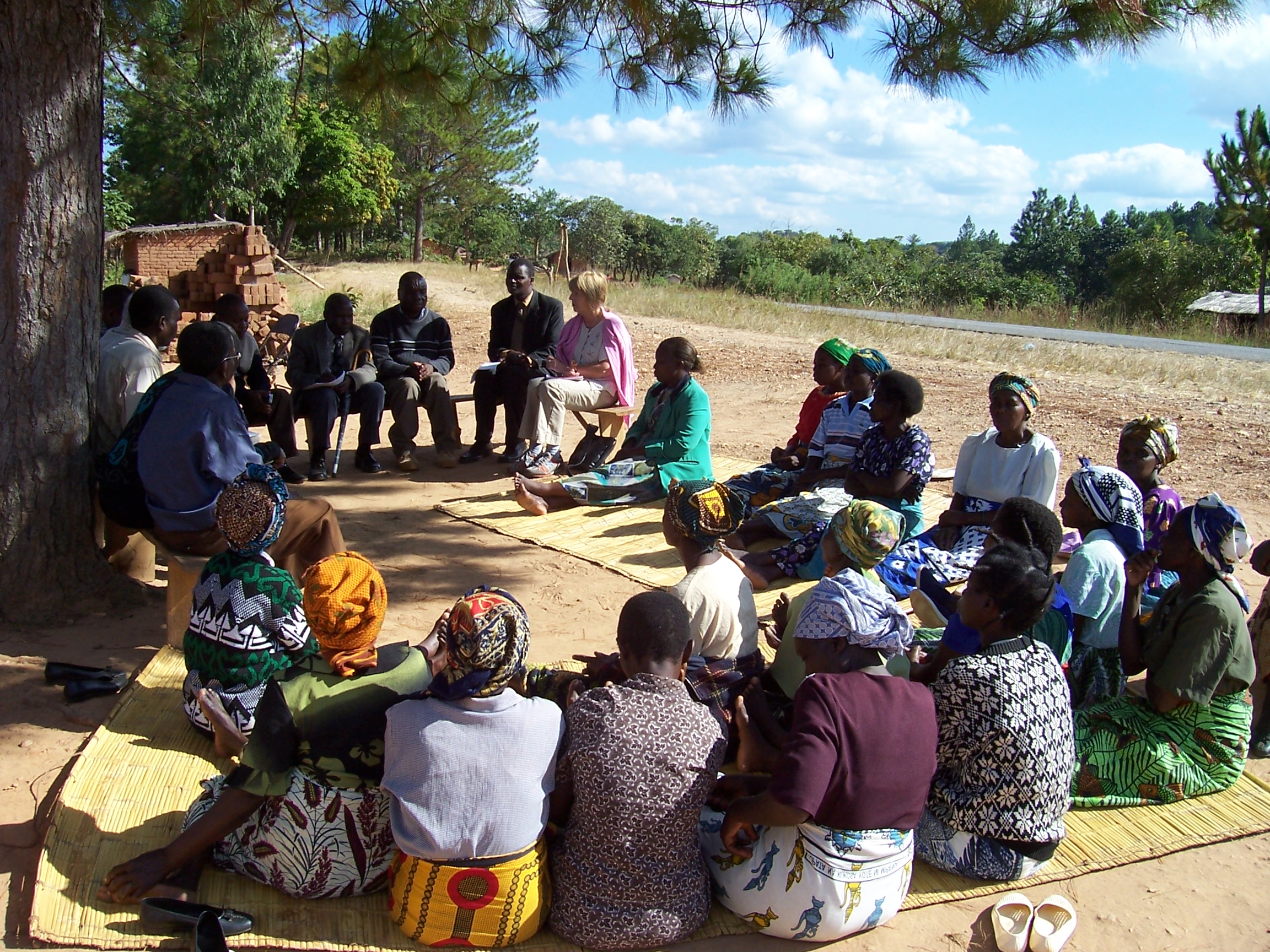
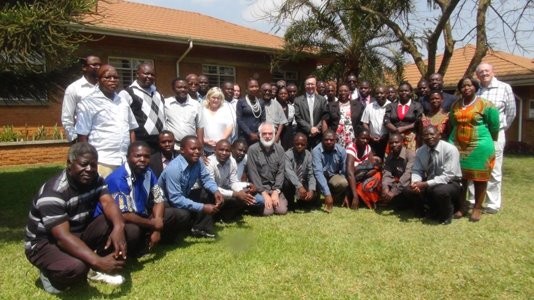
Starting in 2012 and running until 2015, The Transformative Education Network was a collaborative project between the University of Mzuzu, Mulungushi University, the Zambian Open University and Maynooth University. The anchor activity for TEN was an inter-university, inter-disciplinary Masters in Transformative Community Development. It has continued to evolve in the Malawian and Zambian partner universities in various forms since then, with hundreds of graduates.
The project sought to enhance the capacity of universities to better serve the needs of smallholder food producers within vulnerable communities as they cope with the challenges of climate change. The Department’s team consisted of Anne Ryan, Bernie Grummell and Maggie Noone. The project would go on to win the “Transcending Knowledge Transfer” Category at the National Teaching Expert Awards for Higher Education 2015.
PhD and Doctoral Programmes
The Department began offering doctoral programmes in 2012 with the introduction of the PhD in Adult and Community Education. This programme allows students to undertake original research over four years full-time or six years part-time in topics of their choice. In 2016, the Doctorate in Higher and Adult Education was launched, designed for experienced practitioners engaged in the design, delivery, and management of higher and adult education. The DHAE addressed the growing need for staff with doctorates in newly designated technological universities. The introduction of doctoral programmes enhanced the Department’s research capacity and strengthened its influence in the field of adult and community education, as well as reinforced the credibility and legitimacy of its work within the university.
Move To School Of Education Building
After finishing construction in 2016, the department relocated to the School of Education building.


ESREA Books and Conference
In September 2016, the Department hosted the 8th European Society for Research on the Education of Adults Triennial Research Conference at Maynooth University. Themed Imagining Diverse Futures for Adult Education: Questions of Power and Resources of Creativity, the conference aimed to foster rich dialogue about the possibilities and challenges in adult education. It focused on exploring the relationship between power and creativity in adult education and identifying agentic ways to engage with the field. The publication of the books Power and Possibility: Adult Education in a Diverse and Complex World and Doing Critical and Creative Research in Adult Education, both edited by Fergal Finnegan and Bernie Grummell, emerged from the Conference discussions.
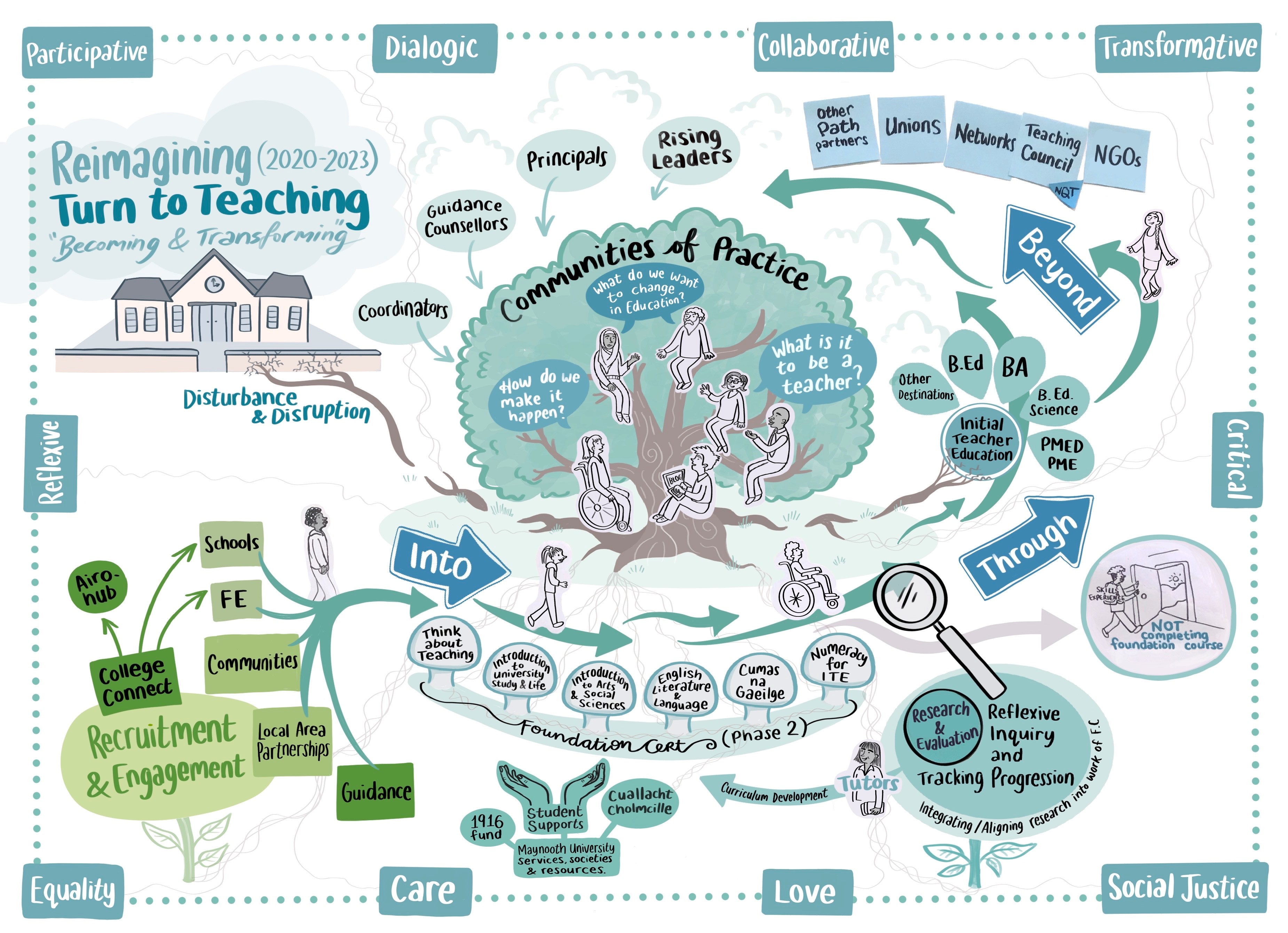
Turn to Teaching
In response to the under-representation of certain groups in teaching, the Turn to Teaching project was established by the department in 2017. Turn to Teaching adopts a lifelong, continuum approach, supporting students from diverse and underrepresented groups into carers in teaching.
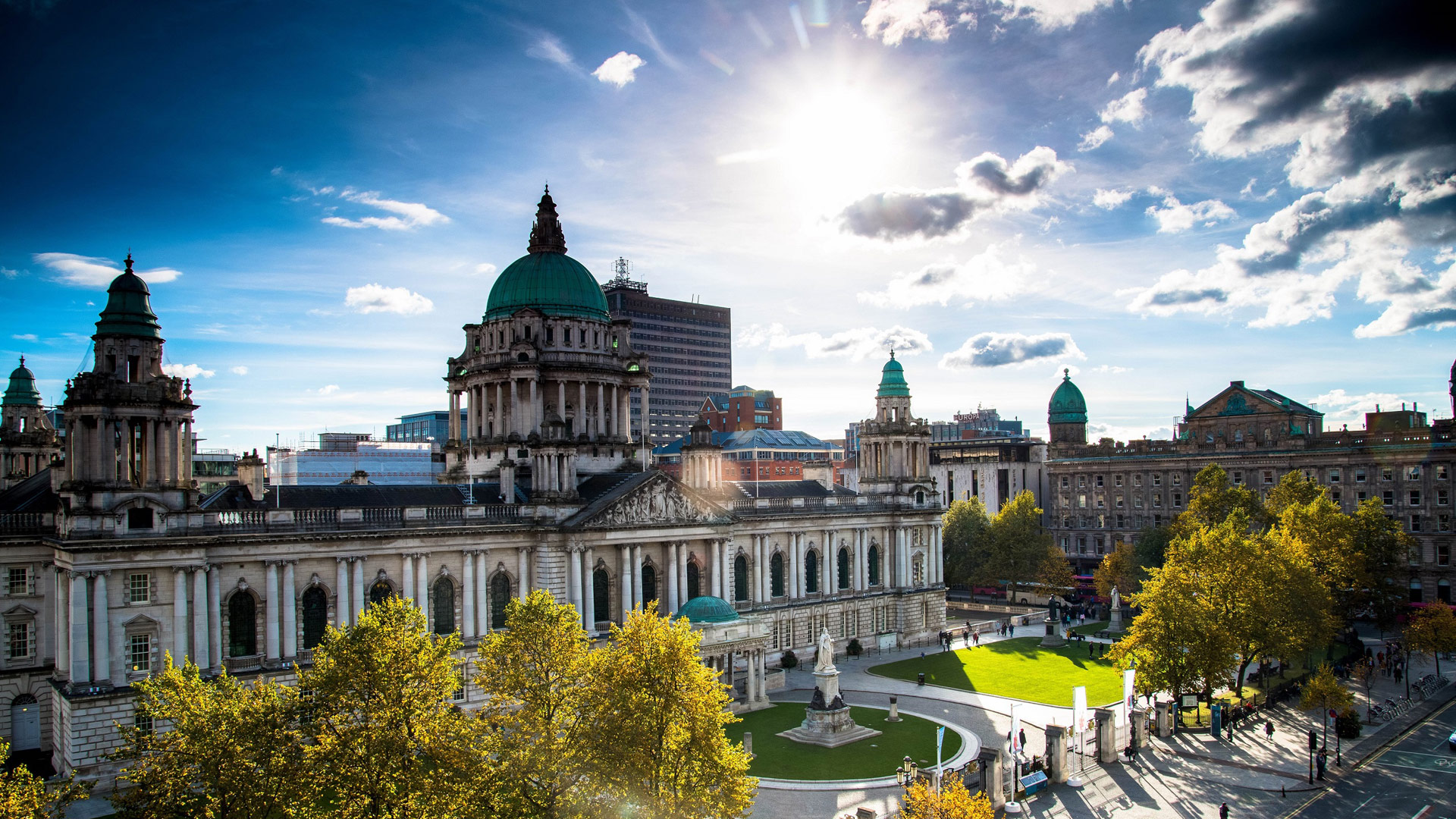
The Theory and Practice of Mediation and Conflict Intervention Module
Introduced in 2017, the Theory and Practice of Mediation and Conflict Intervention module was delivered to 30 students from both Republican and Loyalist communities in South and West Belfast and North Lisburn. The purpose of the course was to promote safety, prevent violence at the interfaces, help the Republican and Loyalist communities to build relationships with each other and work collaboratively in the interests of safety for all. It was described as a “building block” for reconciliation, with participants beginning to exchange contact information and collaborate across divides.
Hear Mary Ryan Introduce the Citizens Assembly in 2017
At the time head of department Mary Ryan discusses the experience of women who have been affected by the
Eighth Amendment.
Inclusive Learning Initiative
The Department of Adult and Community Education was a co-founder of the Inclusive Learning Initiative (ILI) a pioneering project in Maynooth University, in partnership with KARE, St John of God Services, Camphill and Stewarts’ Hospital which ran in between 2011 and 2018. ILI was a specific access route and support system that enabled students with intellectual disabilities to experience a university education and participate in campus activities, just like their student peers. It remains one of the only examples of fully inclusive education initiatives in the Irish higher education landscape. The ILI has represented inclusive education at multiple events and conferences such as the European Down Syndrome Association Conference Germany 2015 and Down Syndrome Ireland Annual Conference 2015.
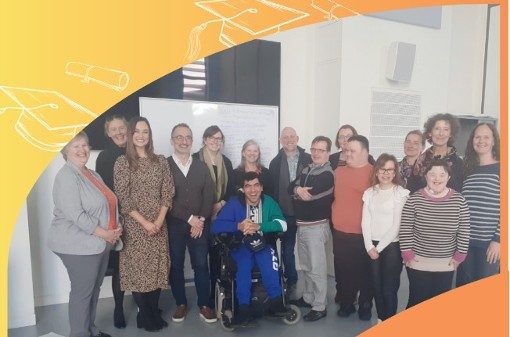
Hear Michael’s story
Inclusive Learning Initiative participant Michael shares his experience as a student at Maynooth University. (9 mins)
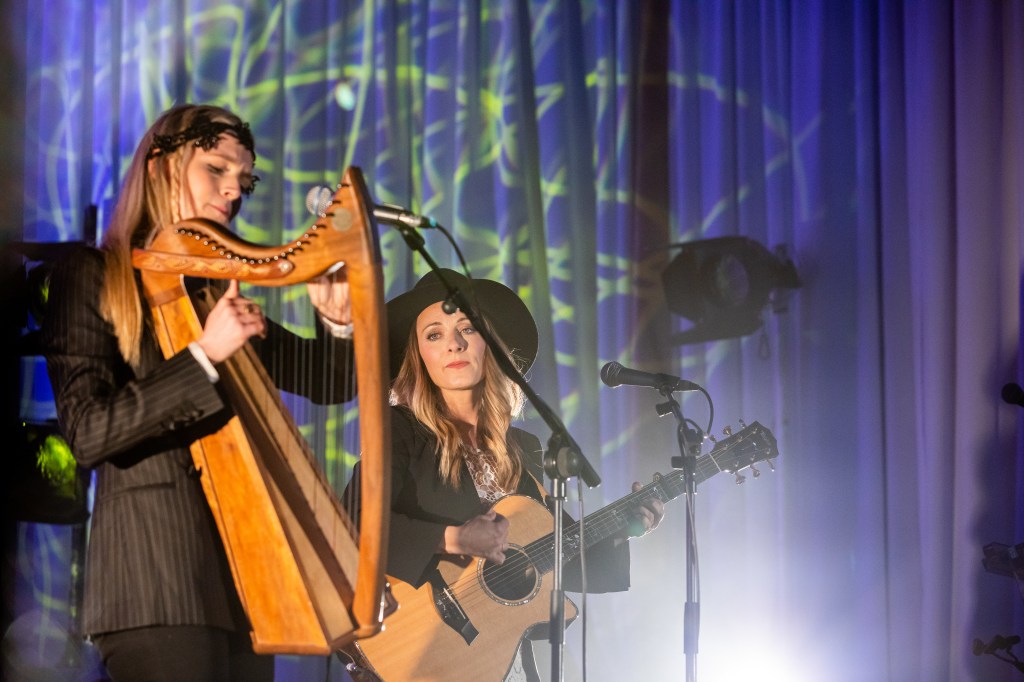
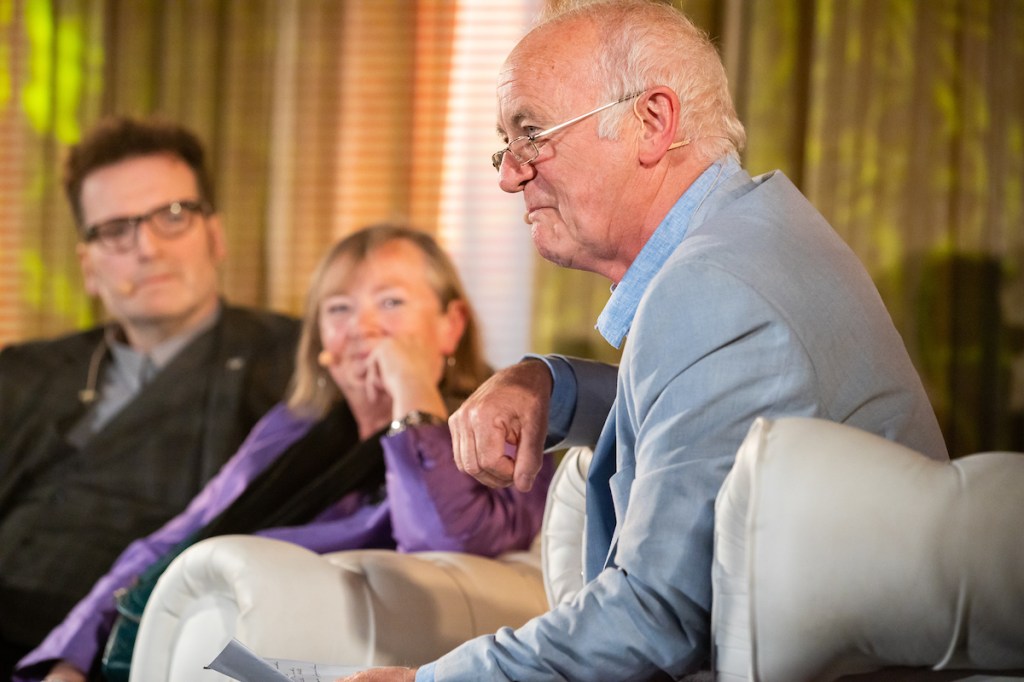
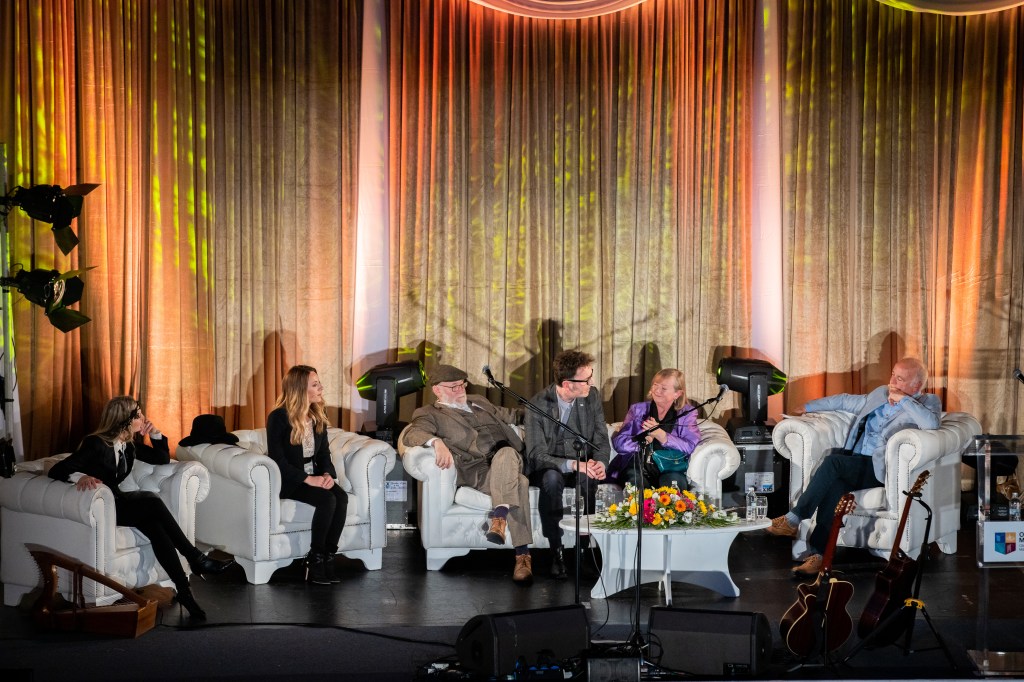
Below is some photos from the Maynooth Summer Soirée I Remember You Well…The Webb Sisters and special guests perform and remember Leonard Cohen with John MacKenna,
This event marked the end of that year’s BA in Community Studies Summer School on ‘Popular Culture and the Making of Meaning.’

International Masters in Adult Education for Social Change
This two-year Masters programme involved the Department of Adult Education in collaboration with Universities of Glasgow and Malta, the Open University of Cyprus and Tallinn University. Students got the opportunity to spend semesters in Glasgow, followed by either Malta or Maynooth, and then finally a semester in Tallinn. This prestigious course was developed in response to a recognition of the crucial role that adult education can play in social change. The course specifically focused on a critical engagement with theory, policy, practice and action, with a view to enhancing the development of students as adult educators and social activists. The Department of Adult Education in Maynooth offered the Community Engagement and Education strand to the programme. The programme ran from 2019 to 2024.”
2020s
Below is list of key moments in 2020s, click on an entry to jump
Below is a list of some of the staff of the department in the 2020s

Nuala Whelan
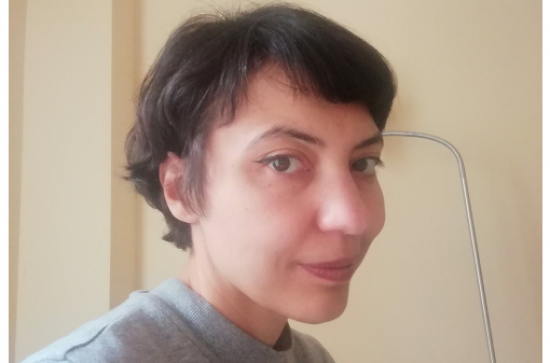
Dilara Demir Bloom

Lilian Nwanze-Akobo
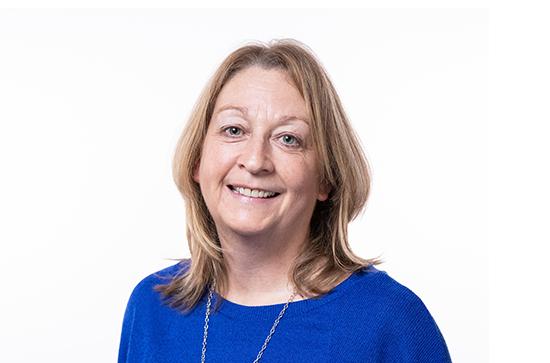
Ann Smith
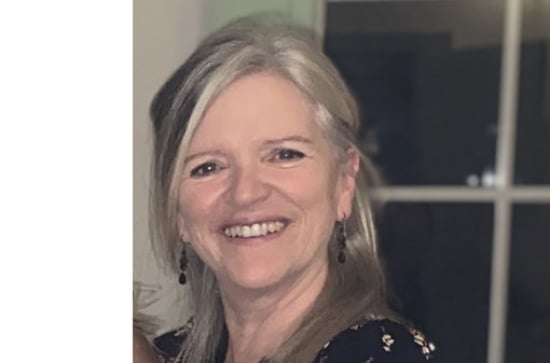
Margaret Nugent
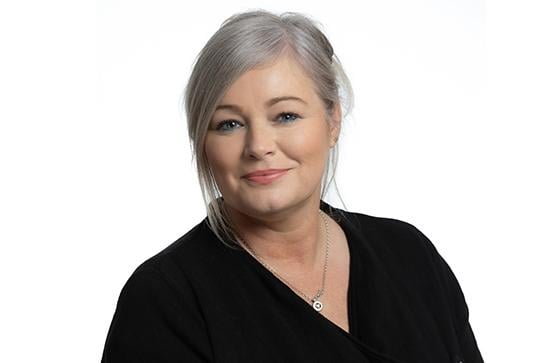
Maggie Noone
Political, Economic and Social Context
In the first half of the 2020s, Ireland has faced significant political, social, and economic challenges and transformations. The COVID-19 pandemic disrupted education and employment, accelerating digital learning but at the same time highlighting inequalities in access. The economic recovery has been uneven, shaped by the housing and cost-of-living crises, as well as global uncertainties and threats to democracy. The government strategies such as the Adult Literacy for Life (2021) framework and the National Skills Strategy 2025 reinforced commitments to inclusion and empowerment through adult education. At the same time, policy continues to increasingly tie adult education to employability, workforce adaptability and labour-market activation, which poses risks to its critical and social justice imperatives. The challenge for adult education is preventing its core values and ideas from becoming domesticated and stripped of their transformative potential.
Department Blog is Created
The DACE blog was created in 2020 as a platform for Adult Educators, Students and Researchers to keep up to date with the Department. It allows those connected to the Department and its work to share their stories with the wider adult education sector audience. The webpage was created by a team of SPUR (Summer Programme for Undergraduate Research) students.
Hear former lecturer at the department Michael Kenny discuss the recognition of prior learning
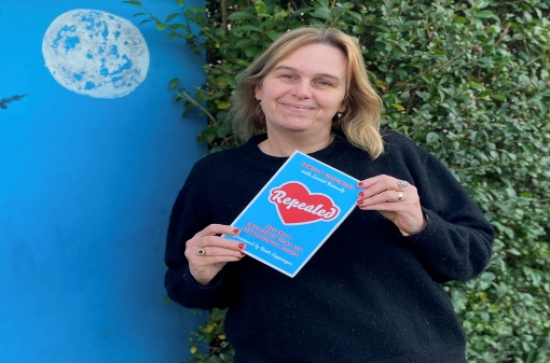
“Repealed – Ireland’s Unfinished Fight for Reproductive Rights” wins the James S Donnelly Sr Book Award
Published in 2021, Camilla Fitzsimons’s book is a celebration and analysis of a 35-year long grassroots movement that successfully overturned the ban on abortion in Ireland. The honour was awarded for contribution to History and Social Science by the American Conference for Irish Studies. Camilla Fitzsimons was previously awarded the Irish Research Council Research Ally Prize for her role in promoting positive academic culture based on equality, inclusivity, and respect.

Foundations for Futures
Foundations for Futures Europe (FFE) was a Europe for Citizens-funded project coordinated by Derek Barter (DACE) and Jennifer Lloyd Hughes (Experiential Learning Office, Maynooth University) that launched in 2021. It brought together universities and civil society organisations from Ireland, Hungary, Serbia, Greece, and Sweden to engage citizens in discussion around Europe’s future challenges, including education, migration, identity, climate, disability, and poverty. The project combined academic and practice-based approaches, using creative tools such as podcasts, story-mapping, and online platforms.
Erasmus+ Projects
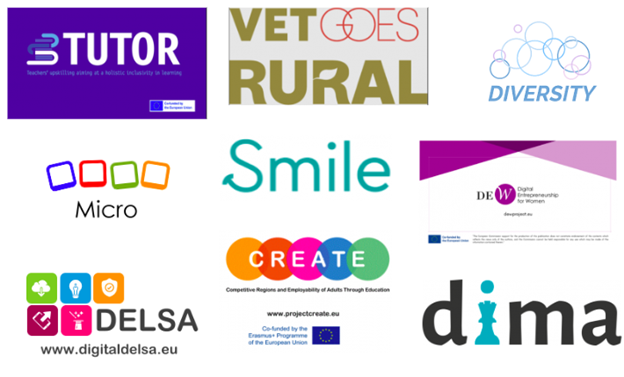
Through CRALE, the Department has led diverse Erasmus+ projects advancing equality, inclusion, and innovation in adult learning. Projects such as VETGOESRURAL enhance vocational education in isolated EU regions, while DEW supports women’s digital entrepreneurship. DIMA and CREATE develop policy toolkits for adult education strategy and employability, and DIVERSITY promotes migrant inclusion in mainstream learning. DELSA strengthens adults’ digital skills while MICRO fosters microenterprise and community entrepreneurship. TUTOR upskills educators working with marginalised groups. Finally, SMILE promotes inclusion through innovative higher education tools. Collectively, these initiatives impact practice and policy, empowering communities and advancing inclusive lifelong learning across Europe.
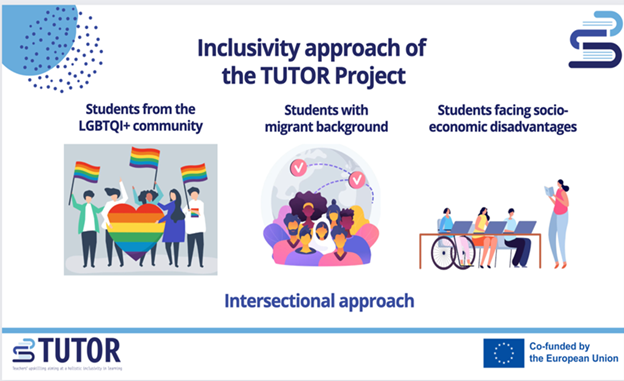
TUTOR Project
Kickstarted in 2022, TUTOR is a three-year project focused on inclusive education for educators and students in Second Level and Further Education & Training. It addresses the needs of three key student groups: people who are LGBTQI+, migrants/ethnic minorities, and those facing socio-economic disadvantage. The Department has assisted with the development of the project’s CPD programme, and participated in piloting, trainer training, and international mobility opportunities.
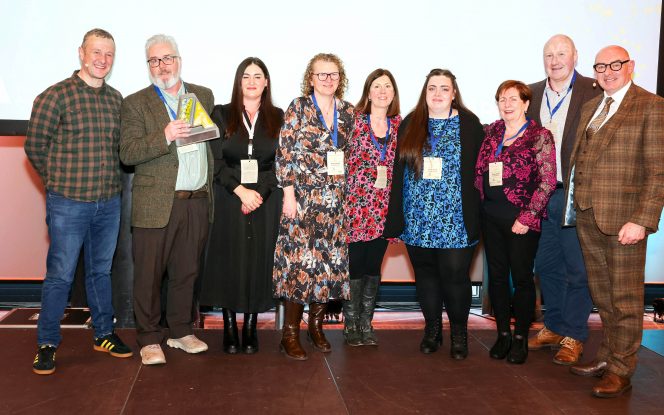
ComMUniversity project wins national STAR AONTAS Award for adult learning
In 2024, the Maynooth University’s Department of Adult and Community Education won a national STAR award for third level access and engagement from AONTAS, the national adult learning organisation. The award was presented at the final event of the AONTAS Learners Festival Week where projects and initiatives from right across the island of Ireland focusing on adult and community education were celebrated.
BA Local & Community Studies Replaced
In January 2025, the Department announced the discontinuation of the BA Local Studies/ Community Studies. The programme ran for 15 years and was the first of its kind in Ireland offering part-time, flexible, modular study options. It will be replaced in September 2026 by a new BA in Adult, Community, and Further Education, offering three specialised streams: Local History, Cultural Heritage and Environment; Equality and Community Studies; and Adult, Community and Further Education. This transition reflects the Department’s commitment to evolving educational needs and expanding access to higher education.
50th Anniversary Event and Memory wall
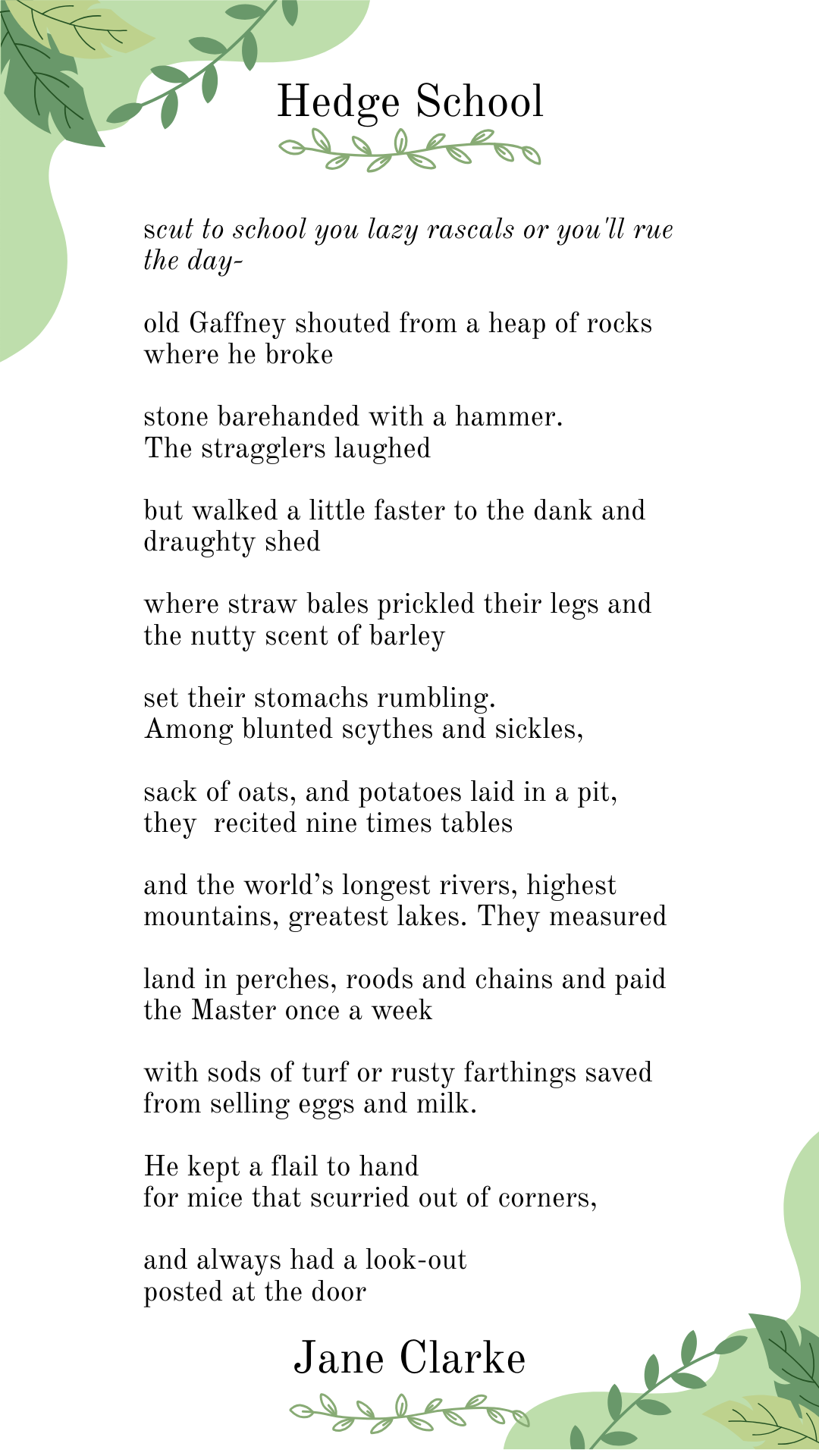
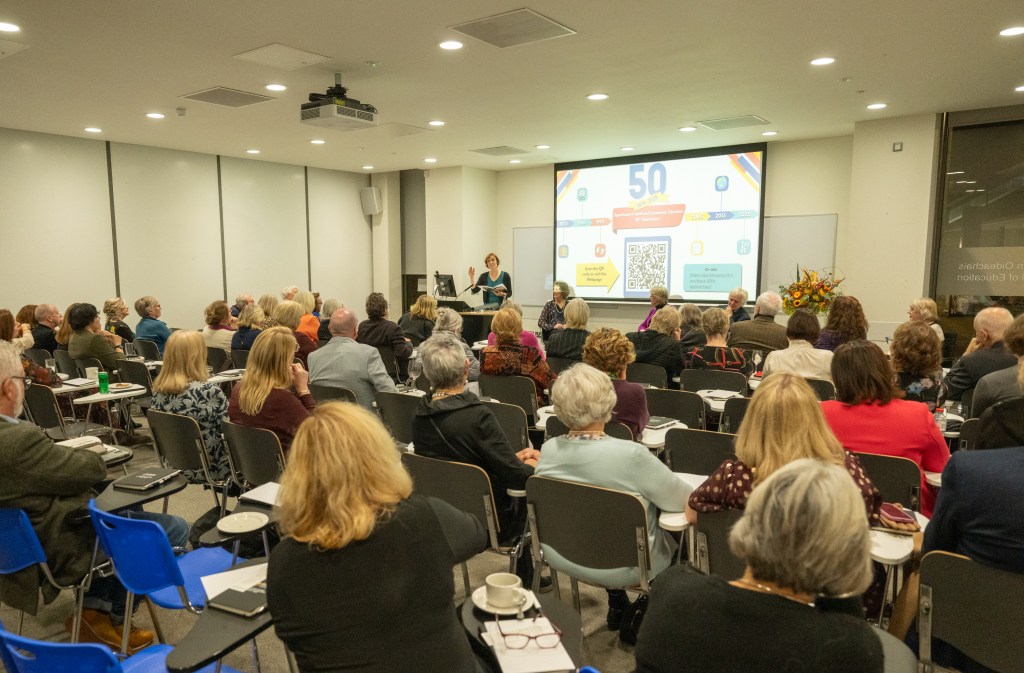
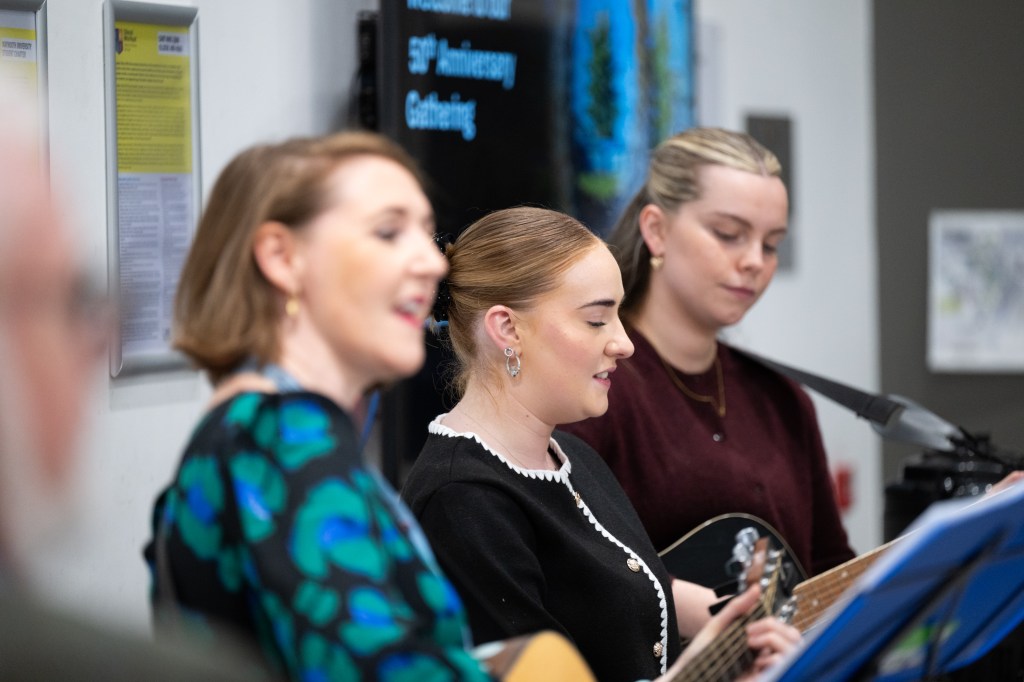
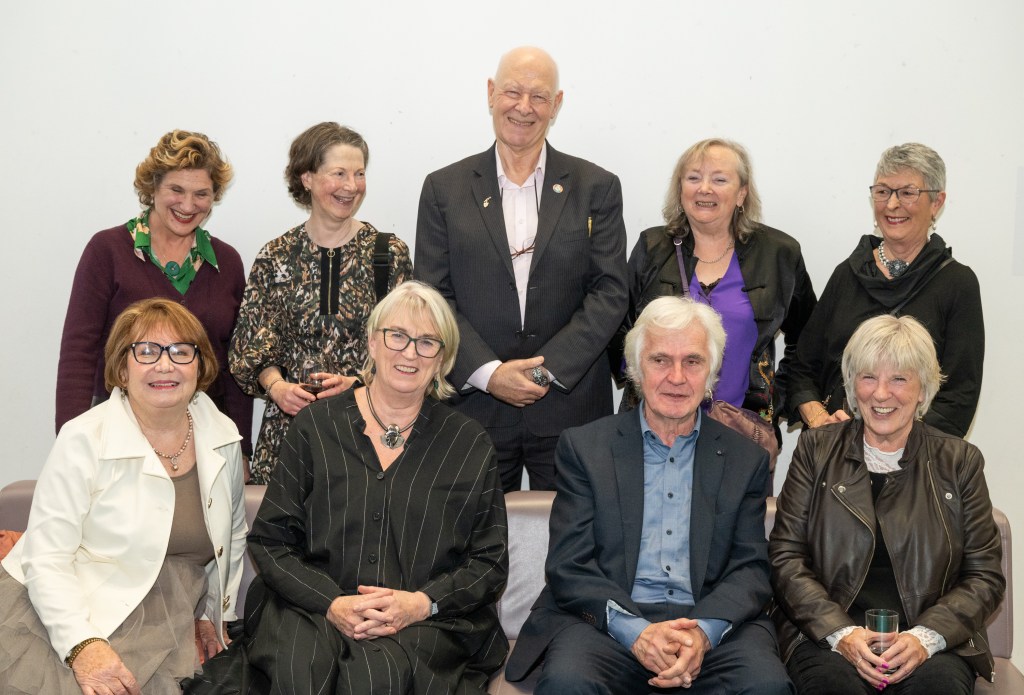
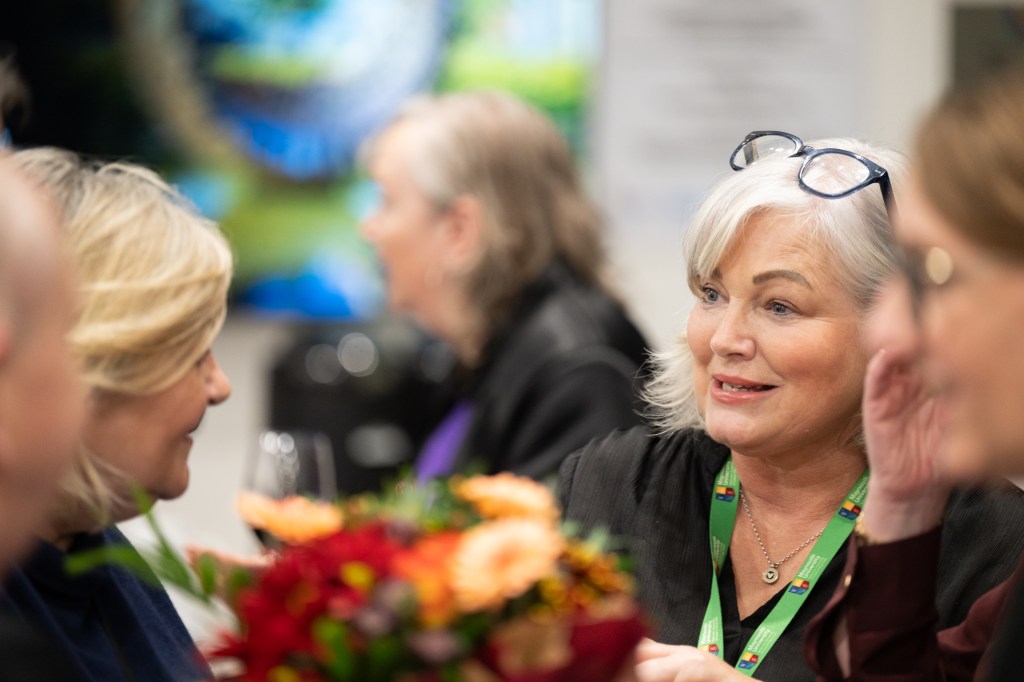
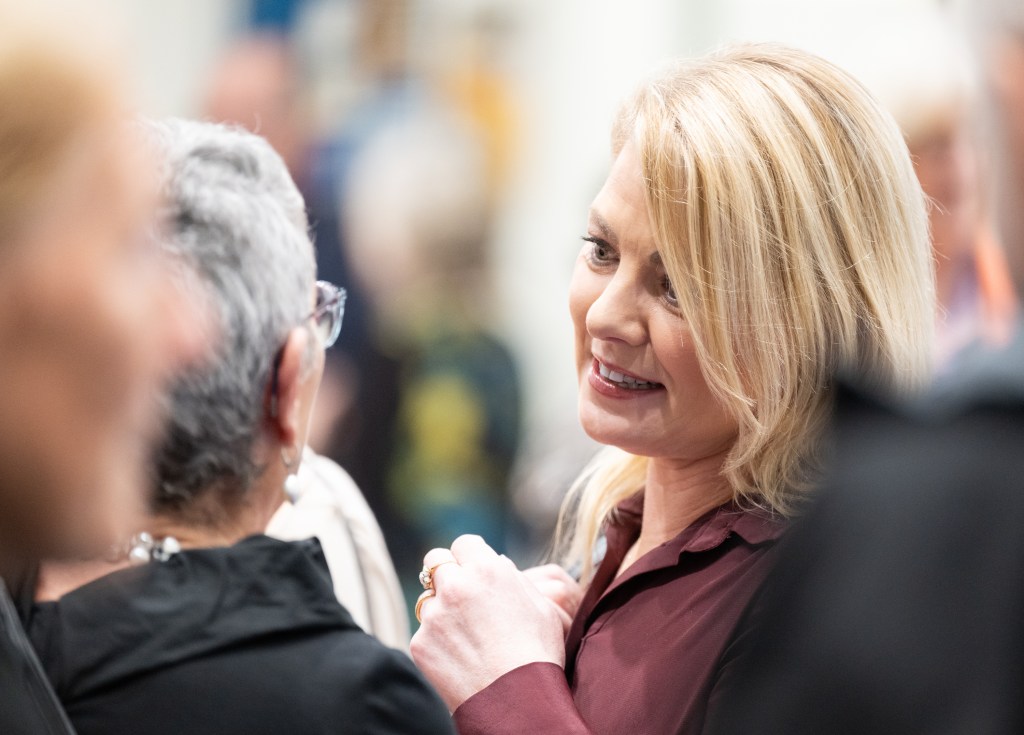
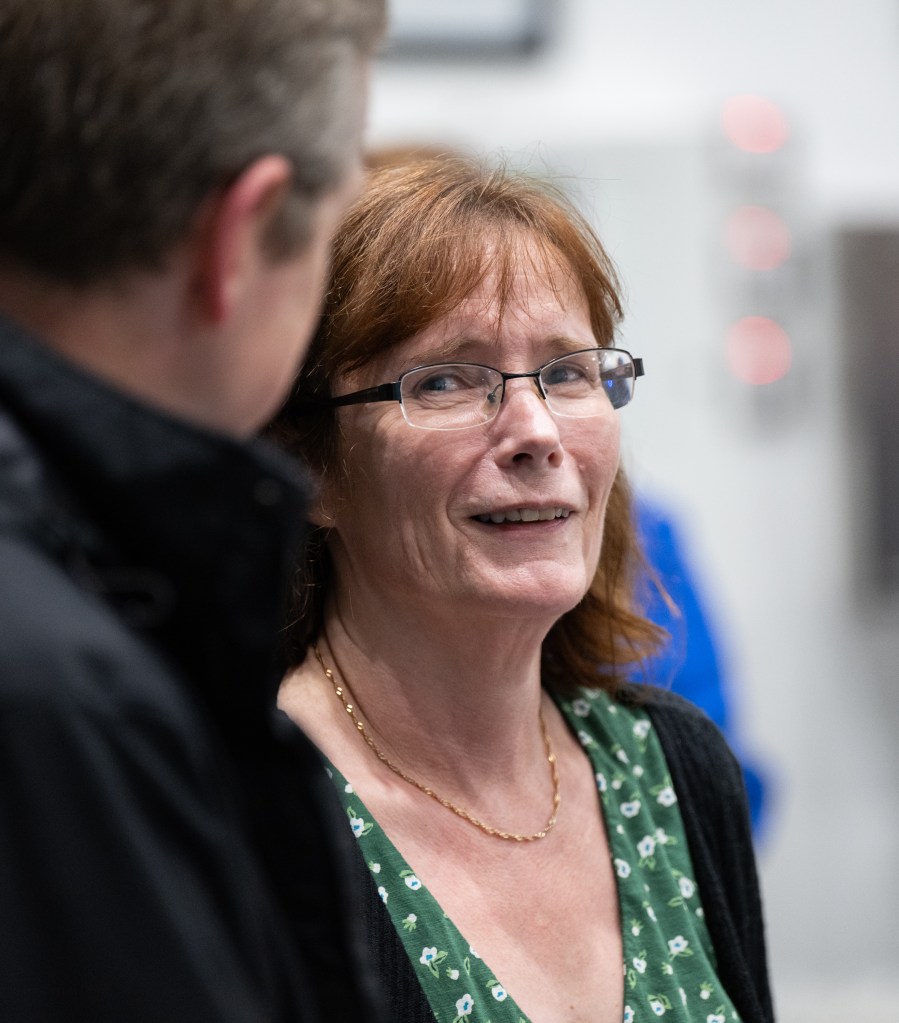
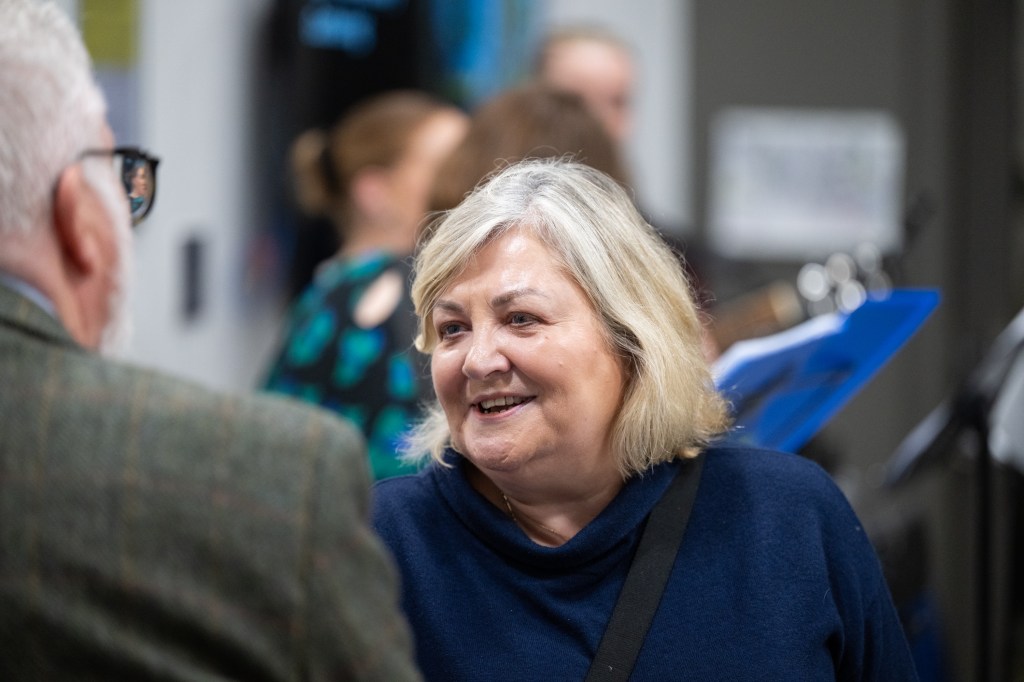
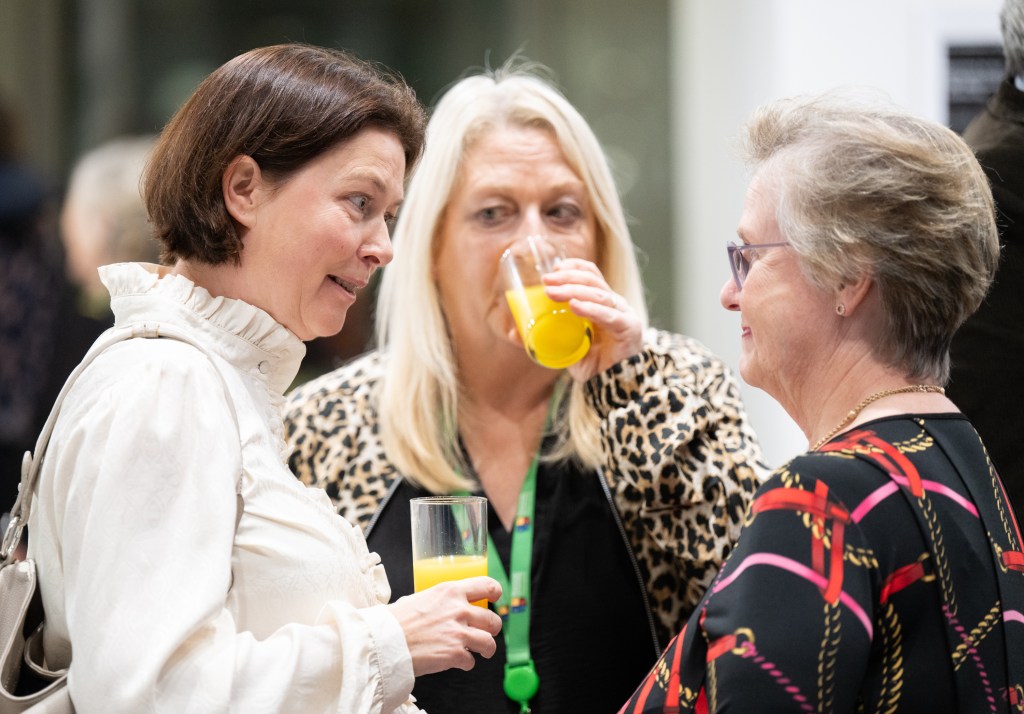
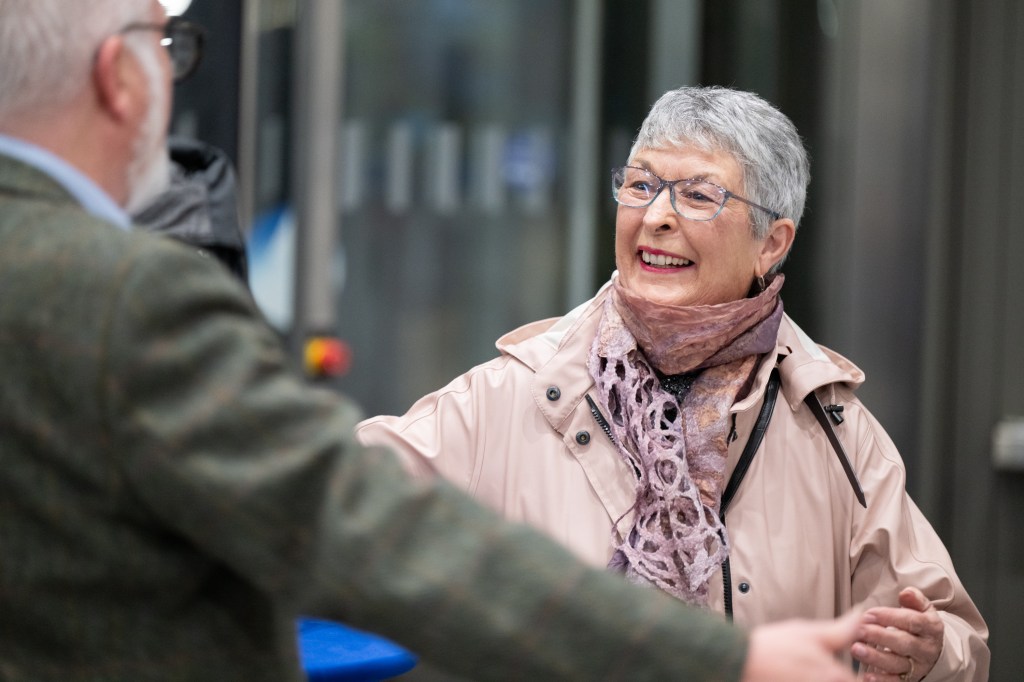
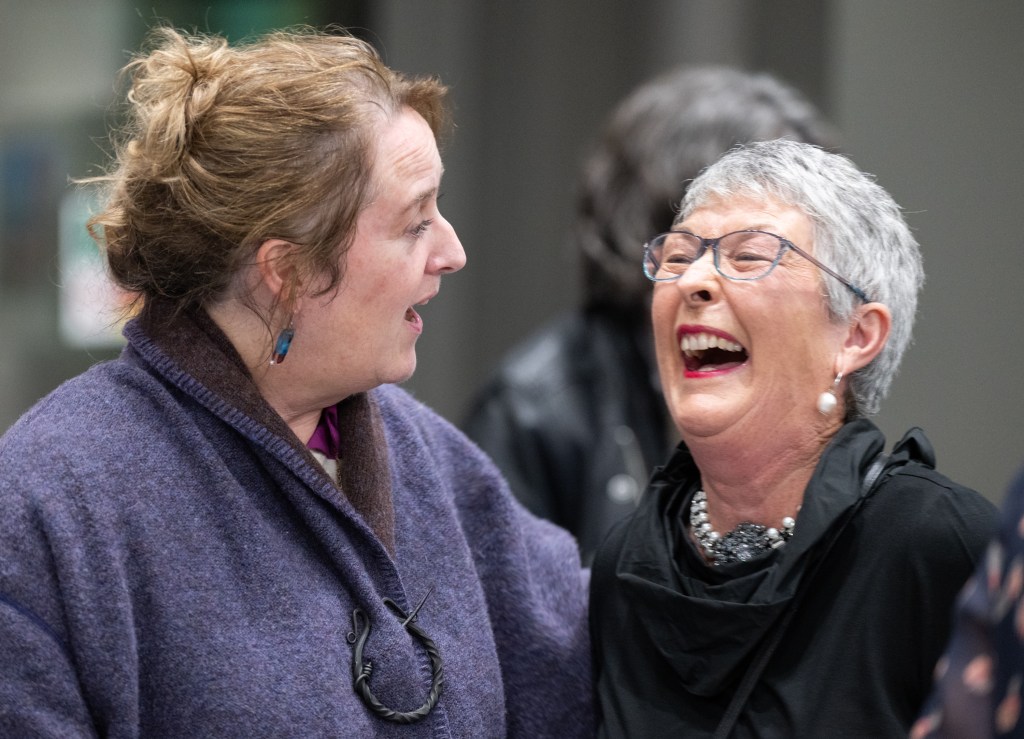
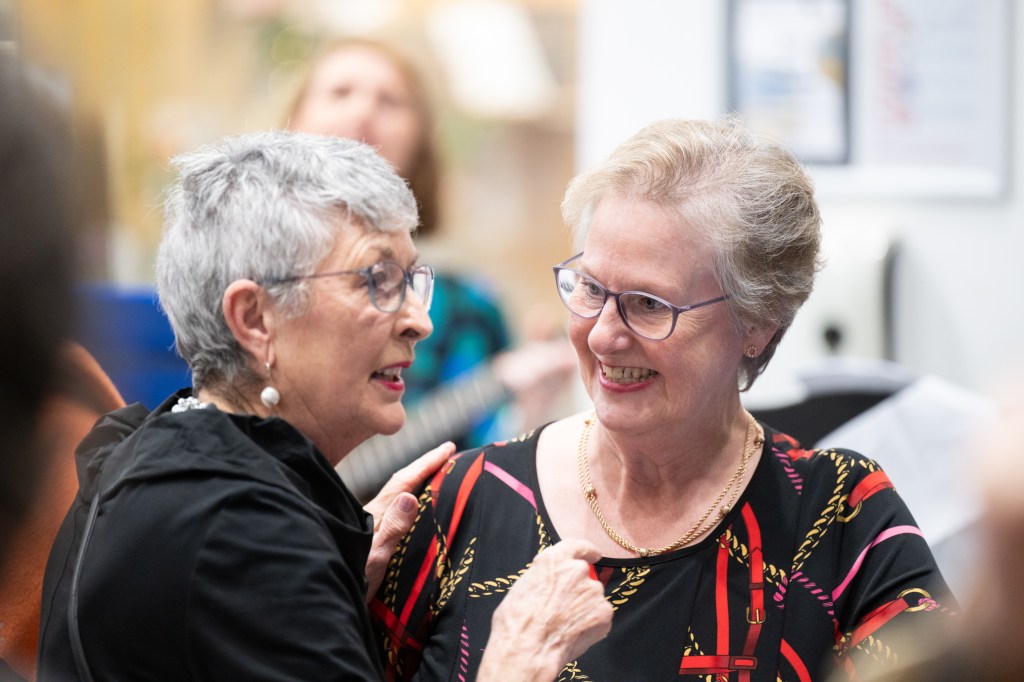
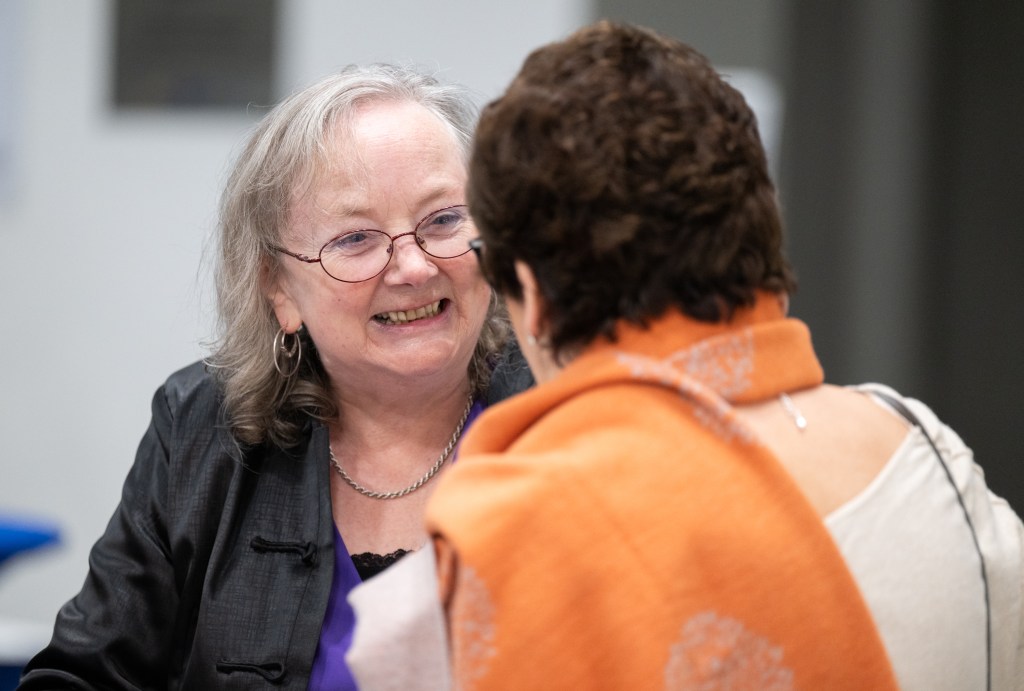
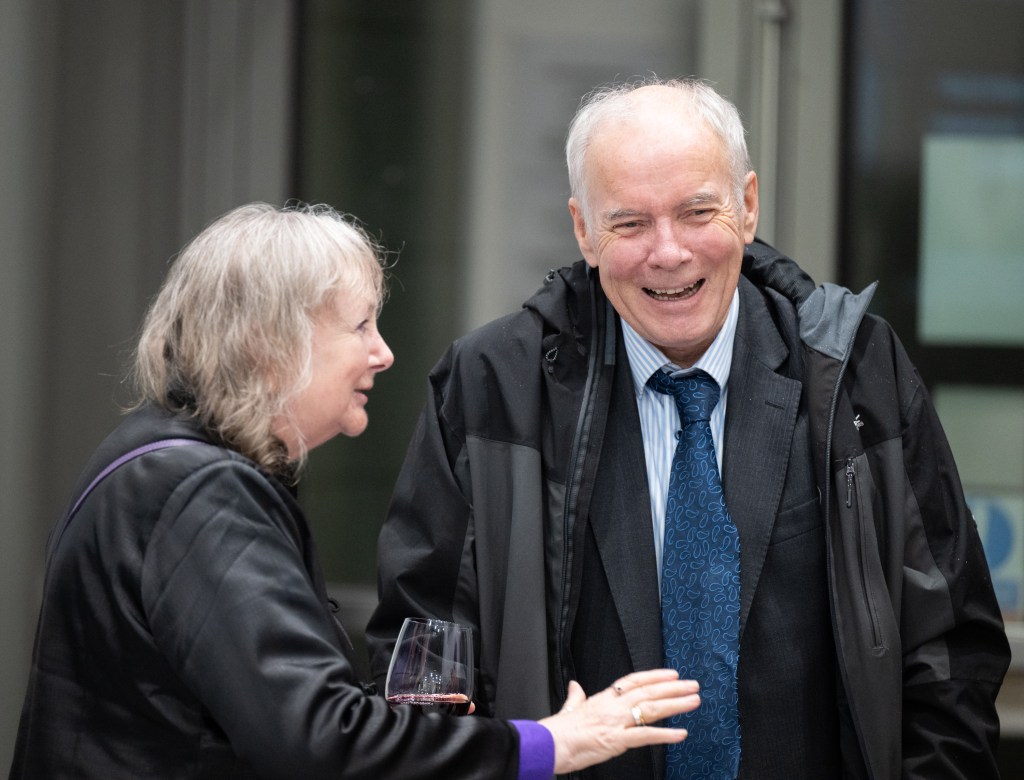
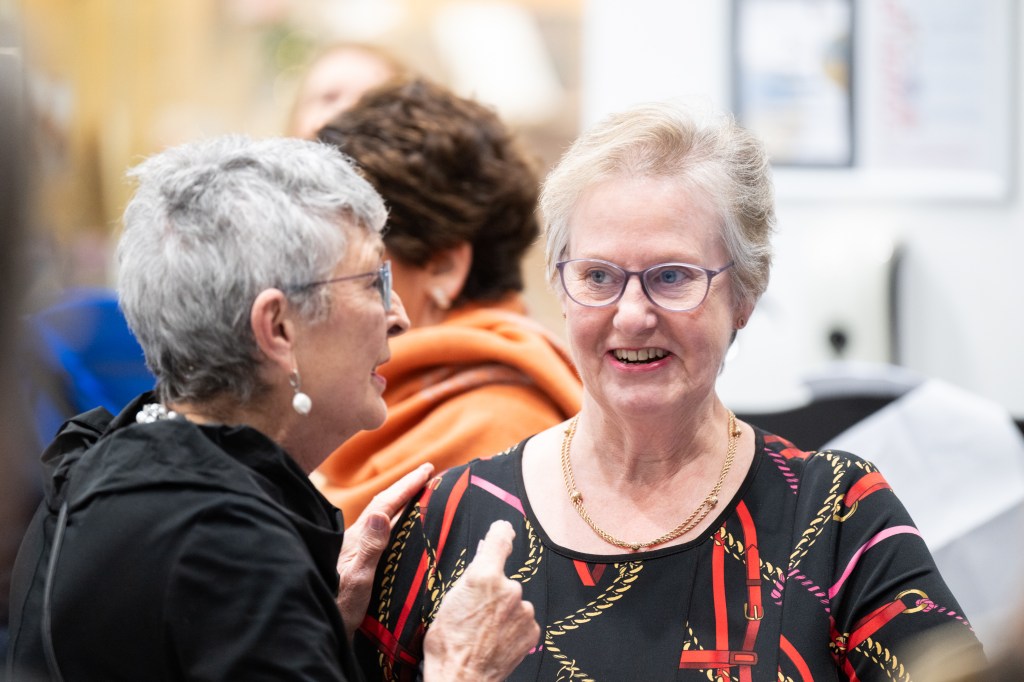
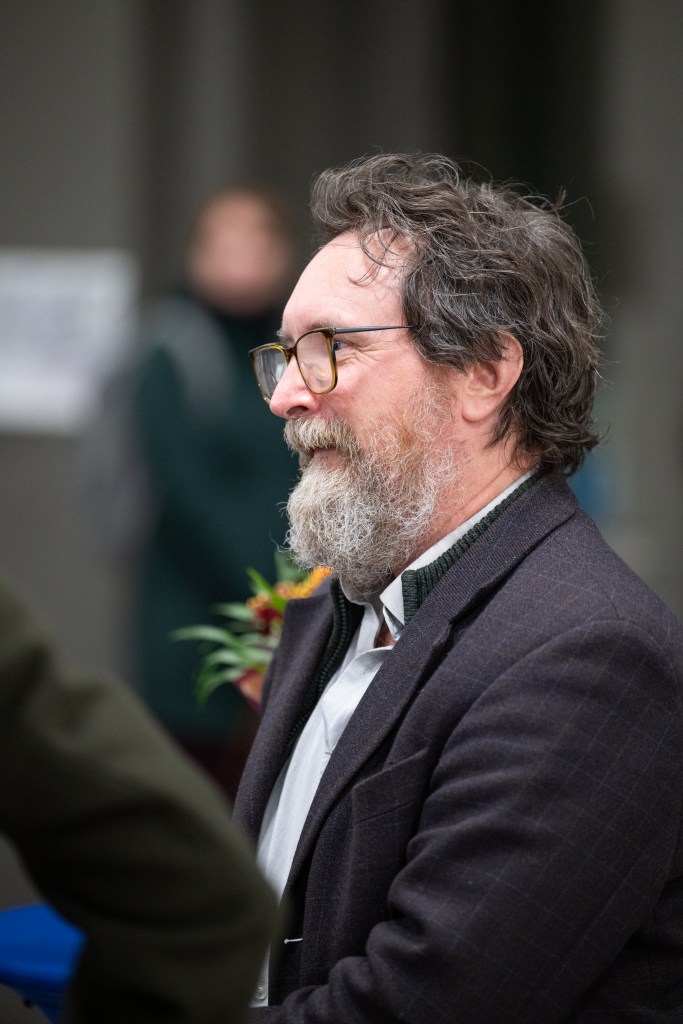
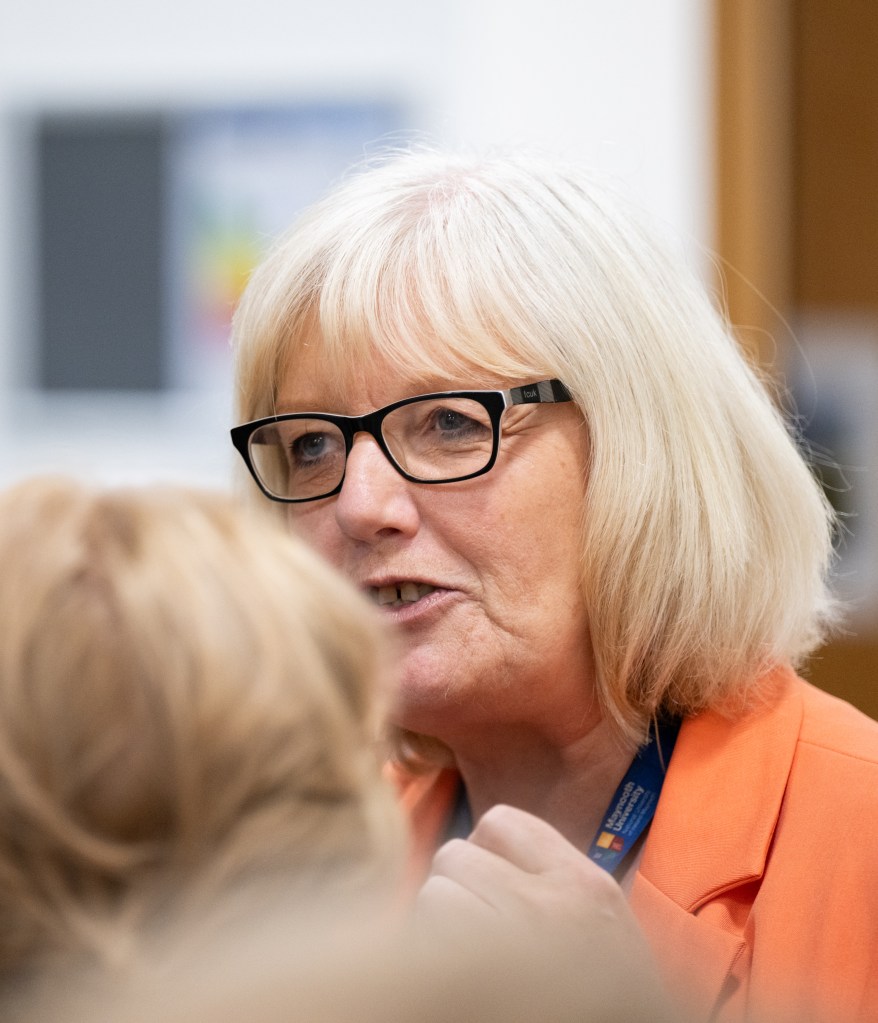
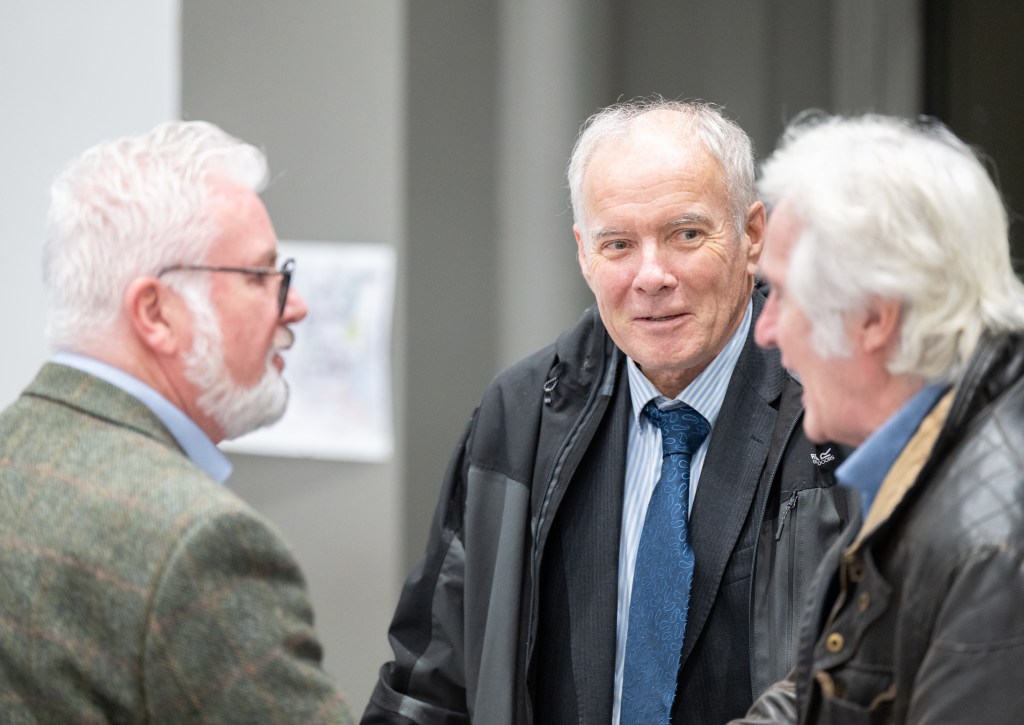
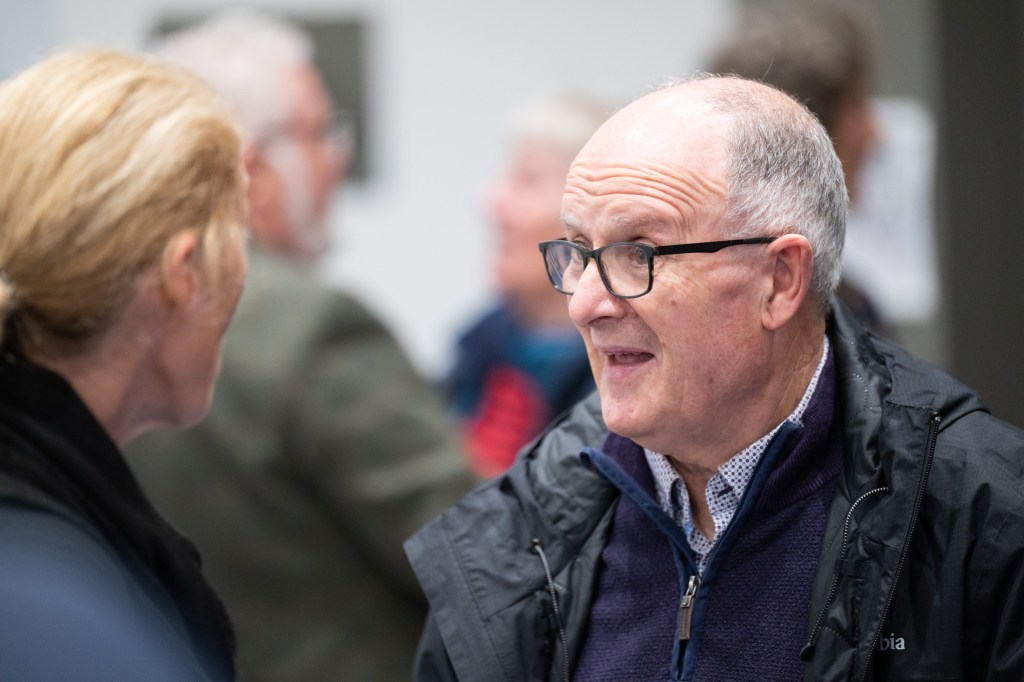
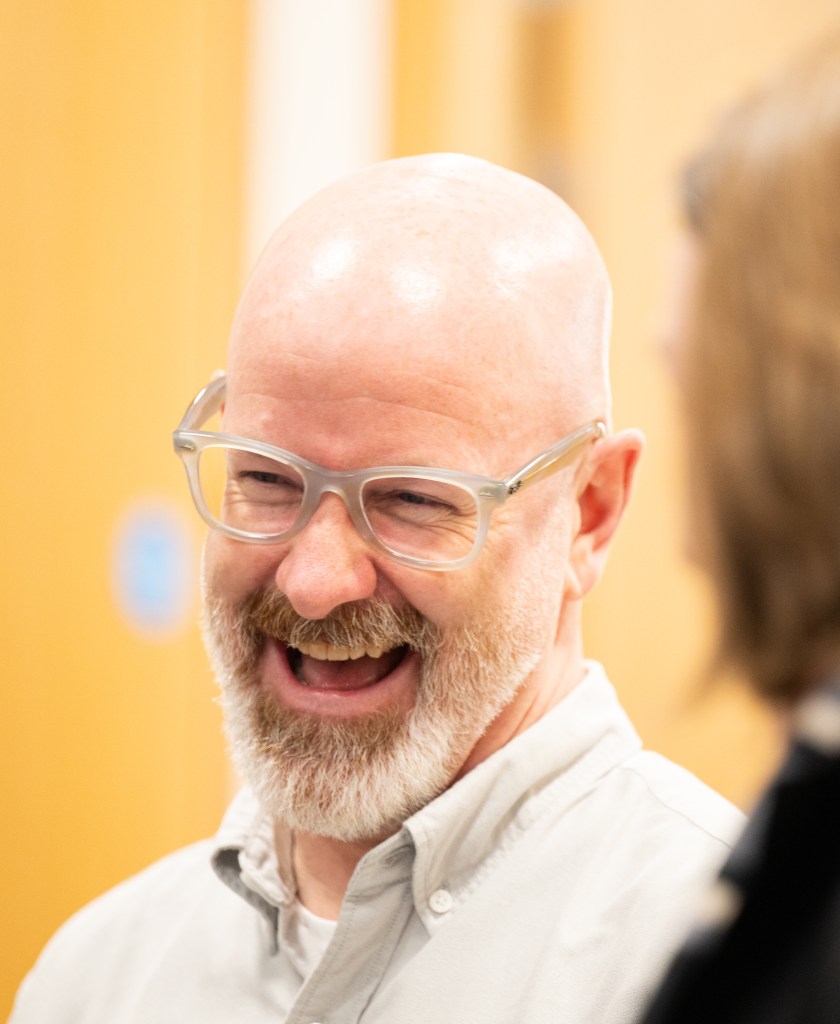
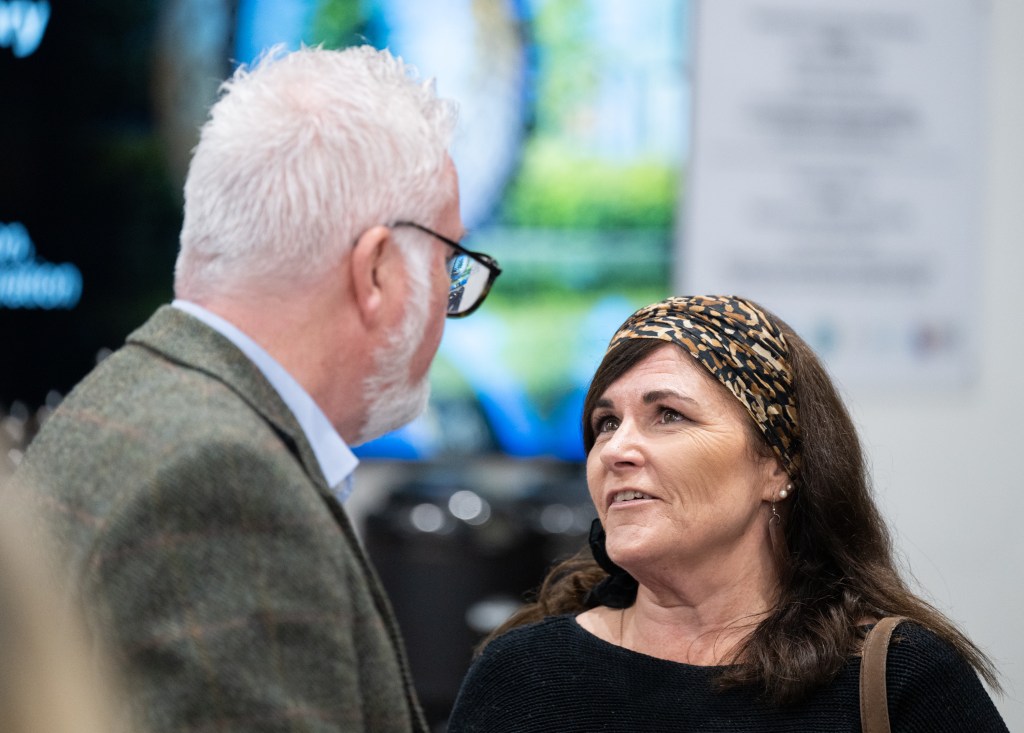
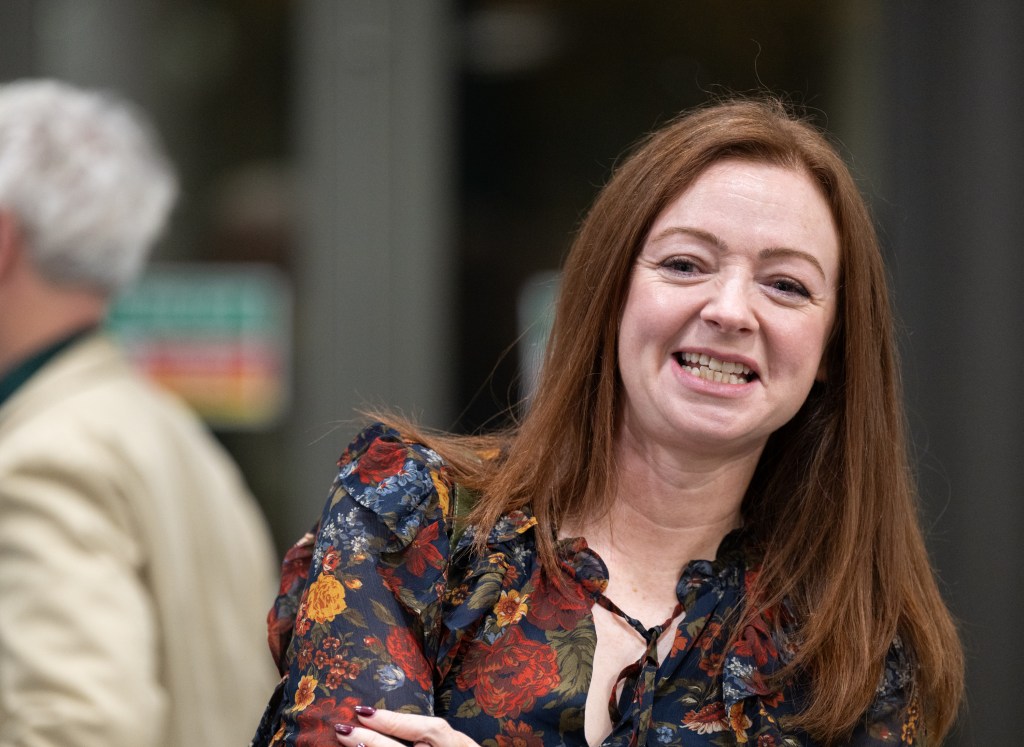
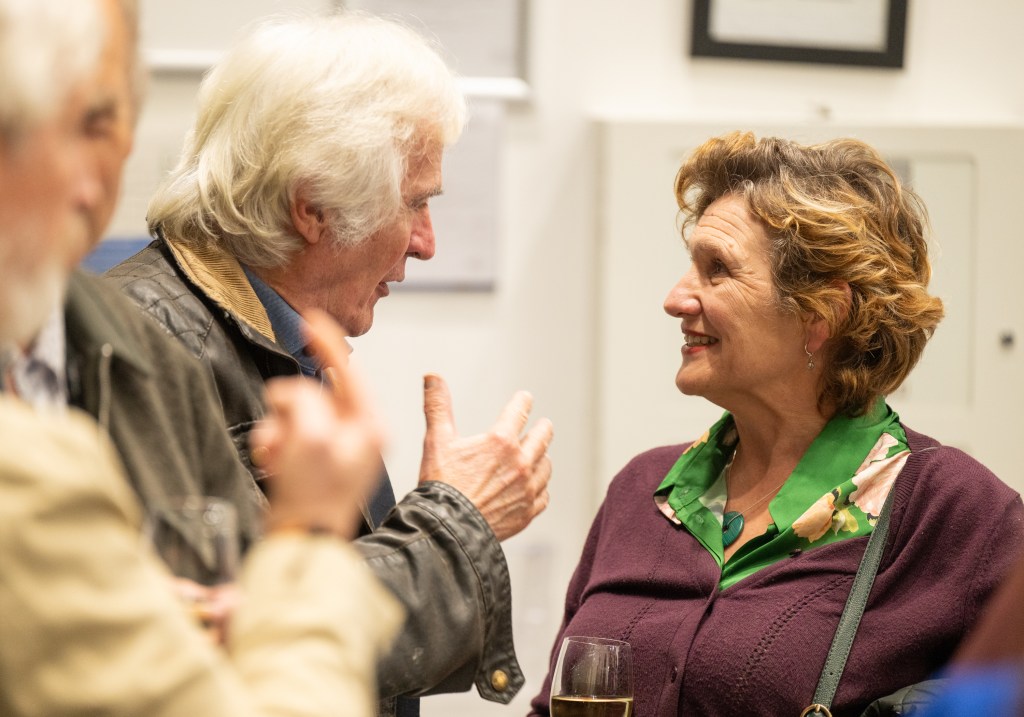
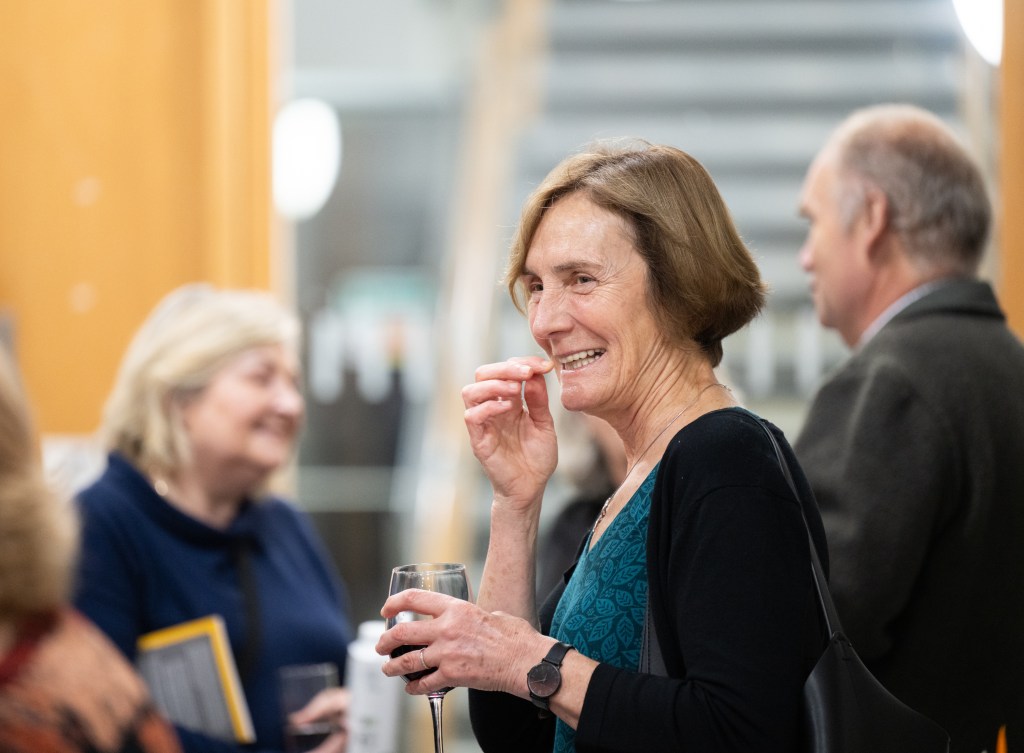
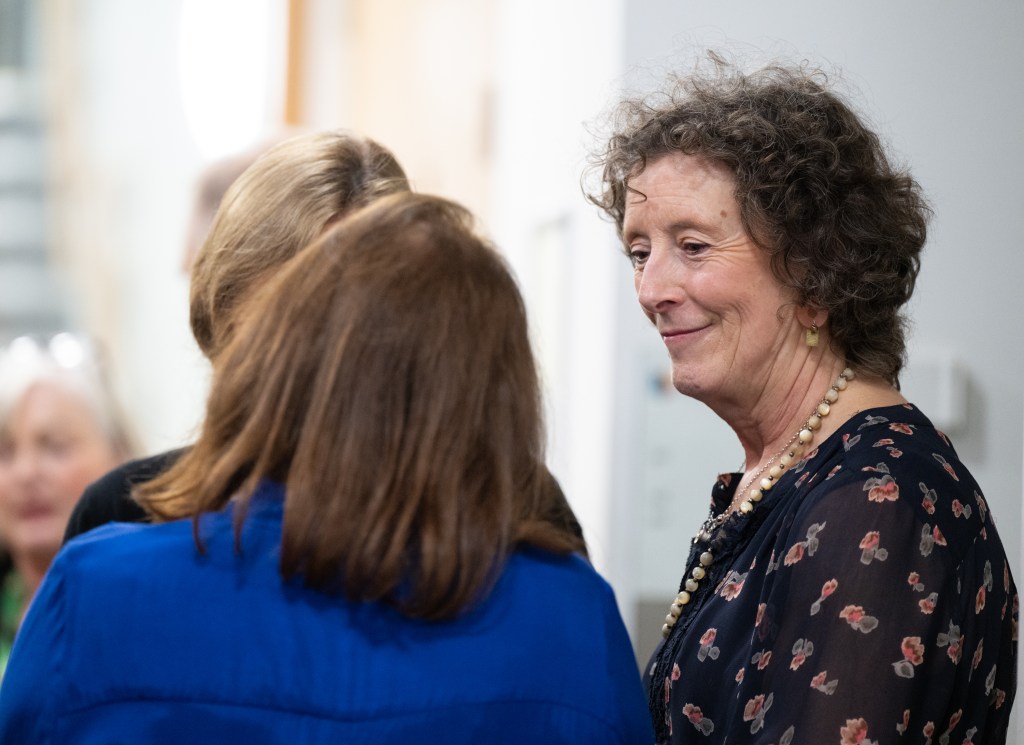
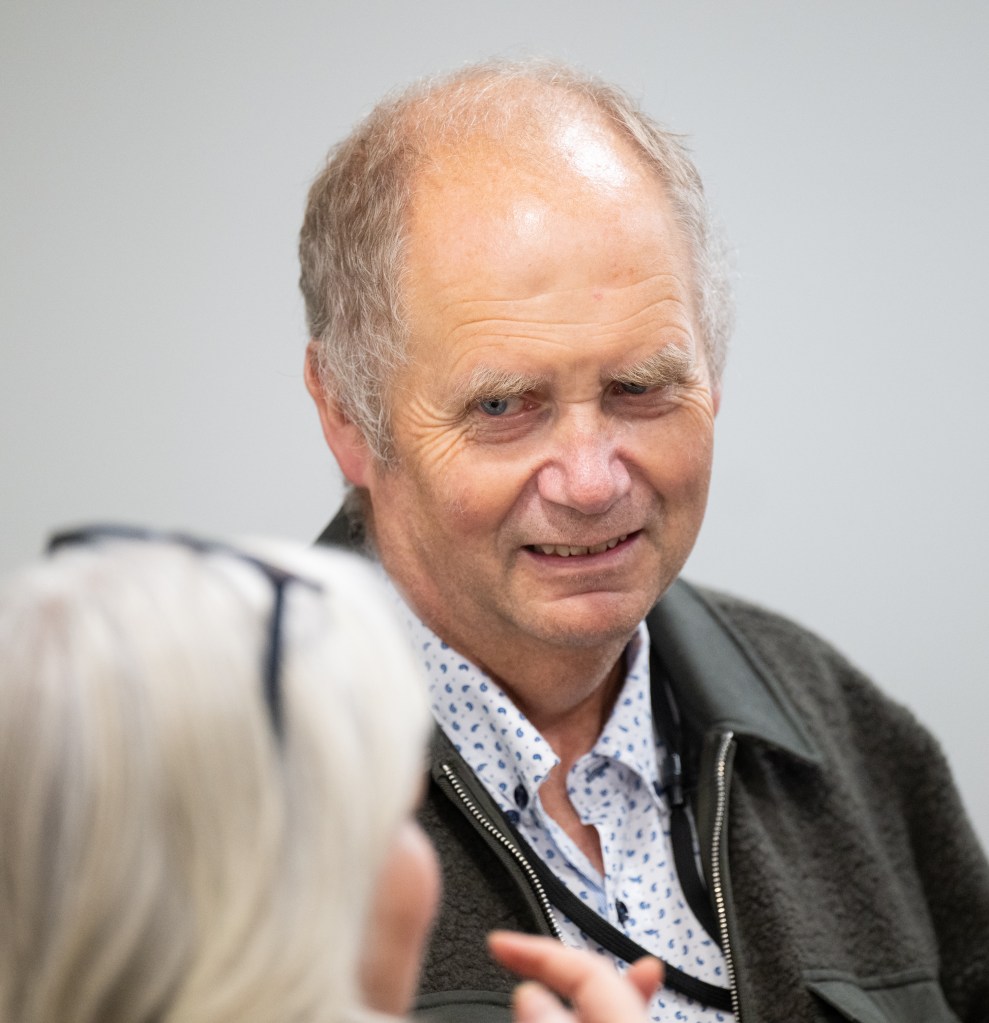
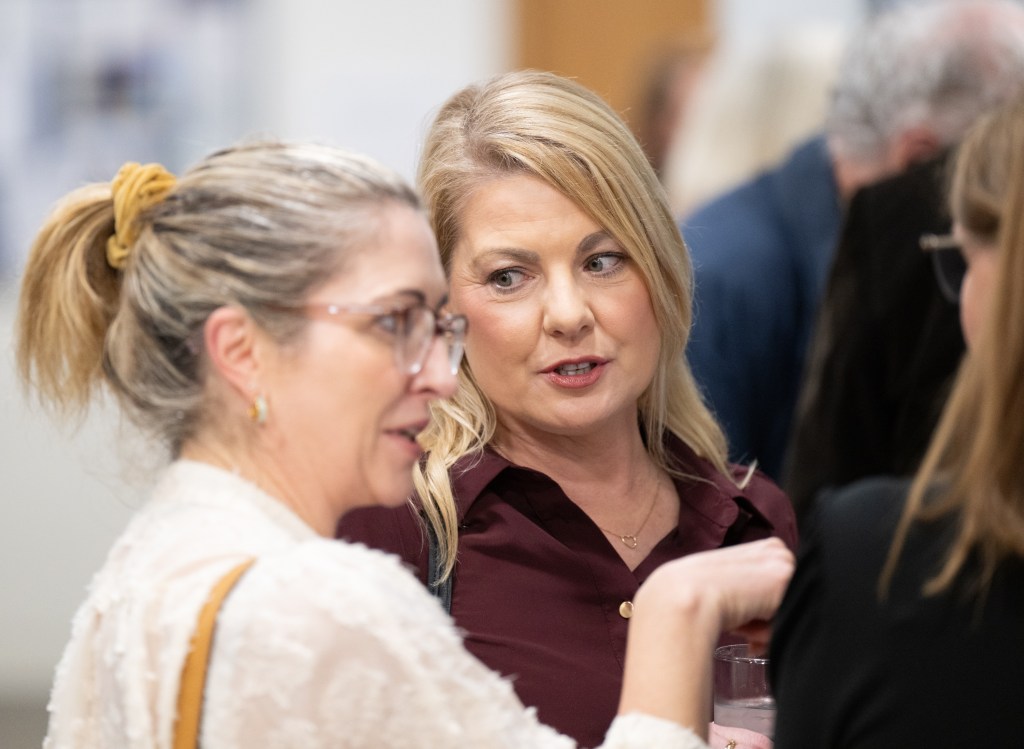
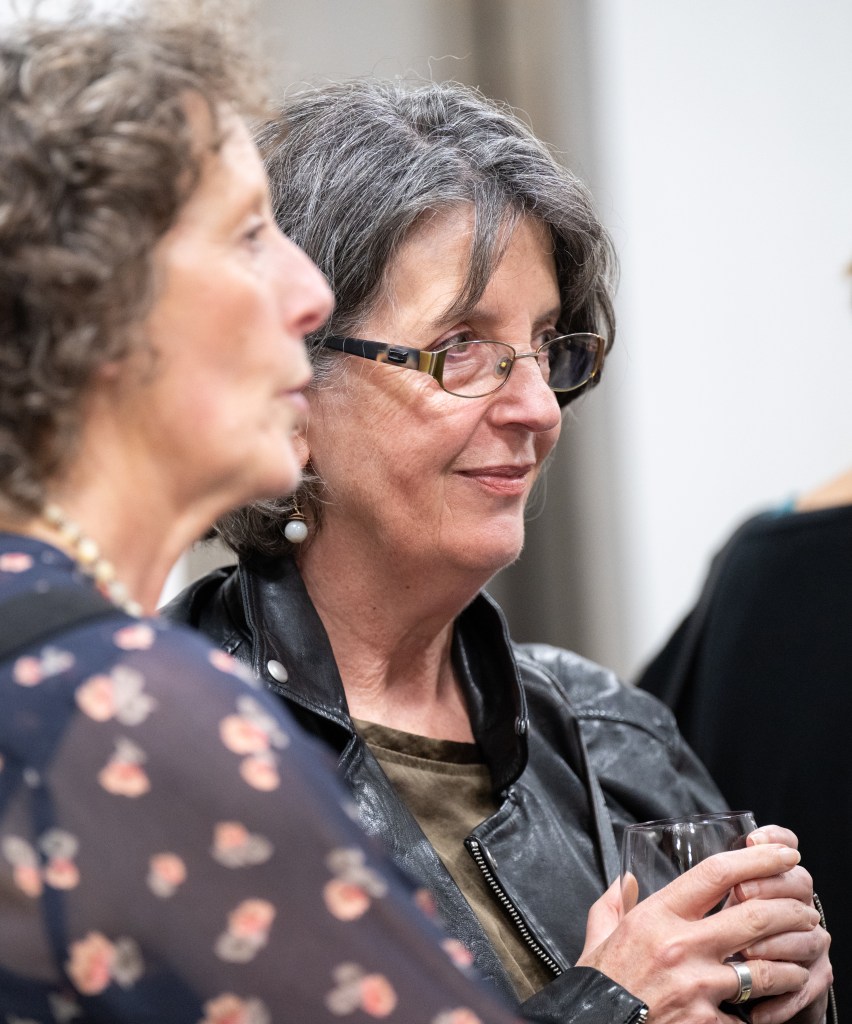
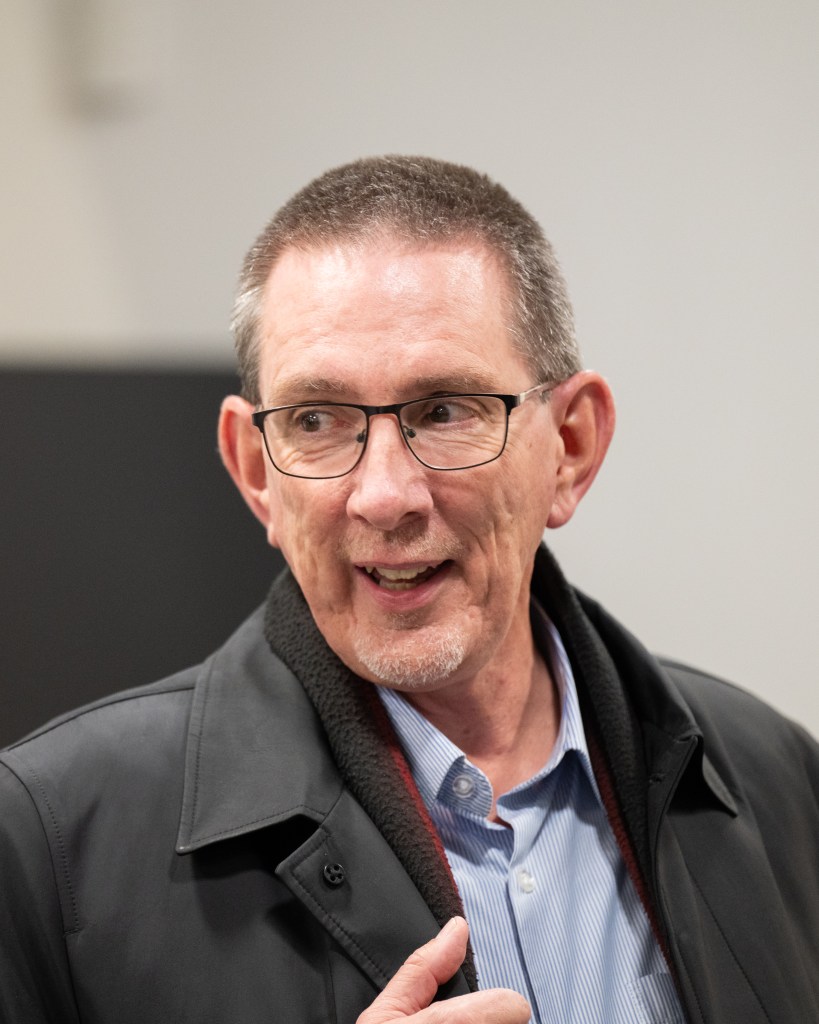
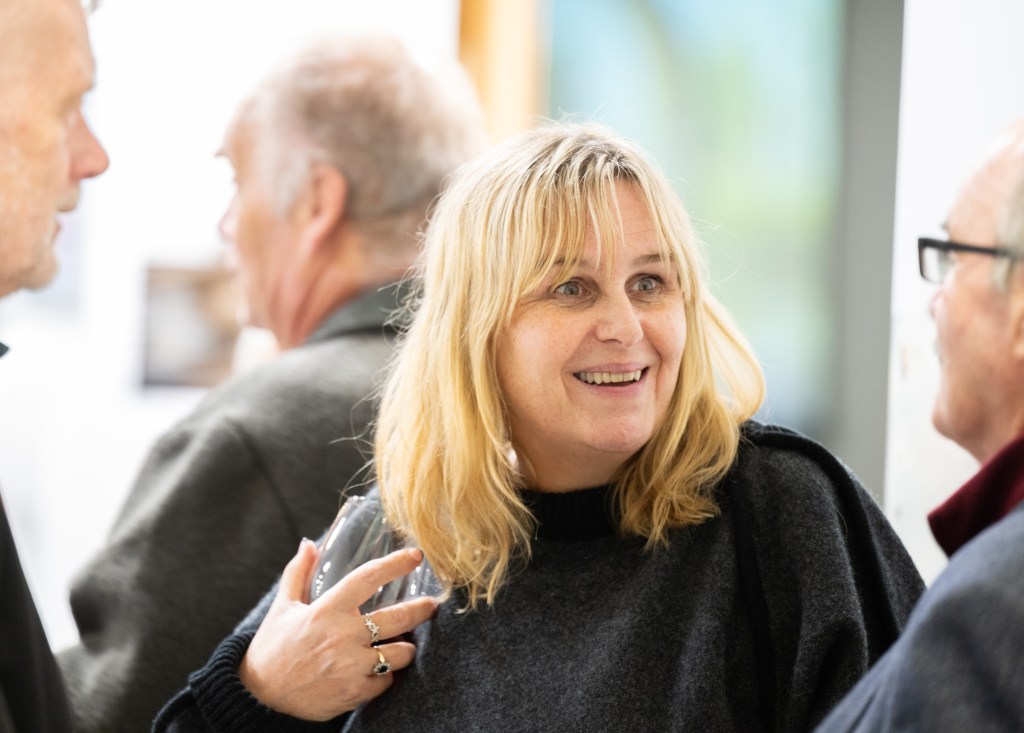
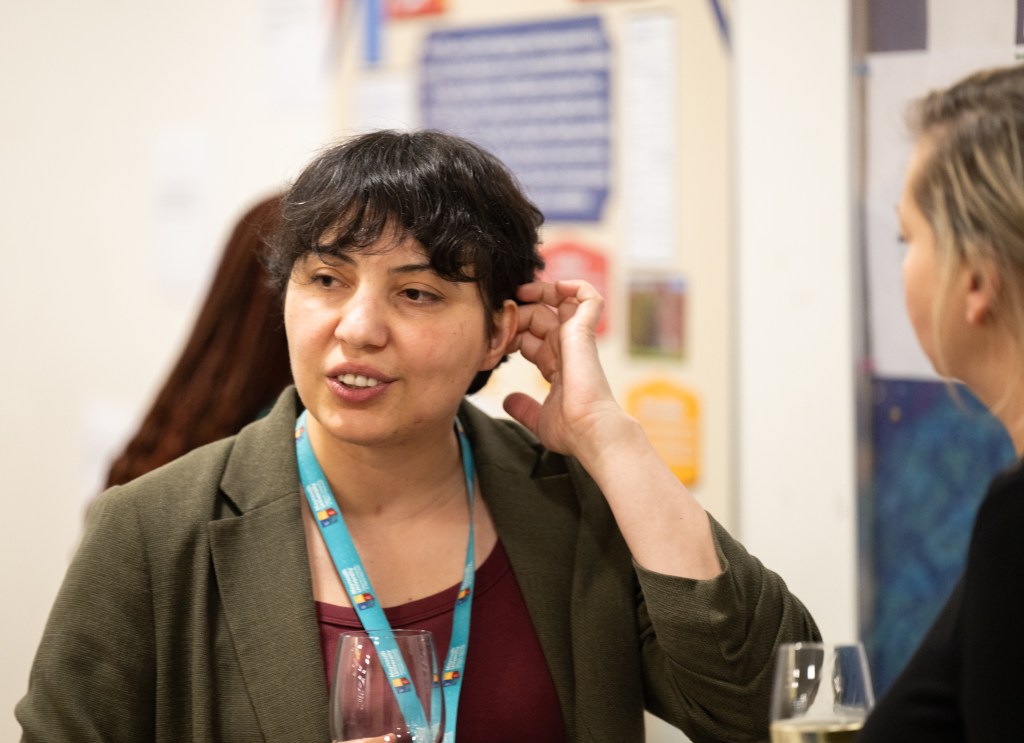
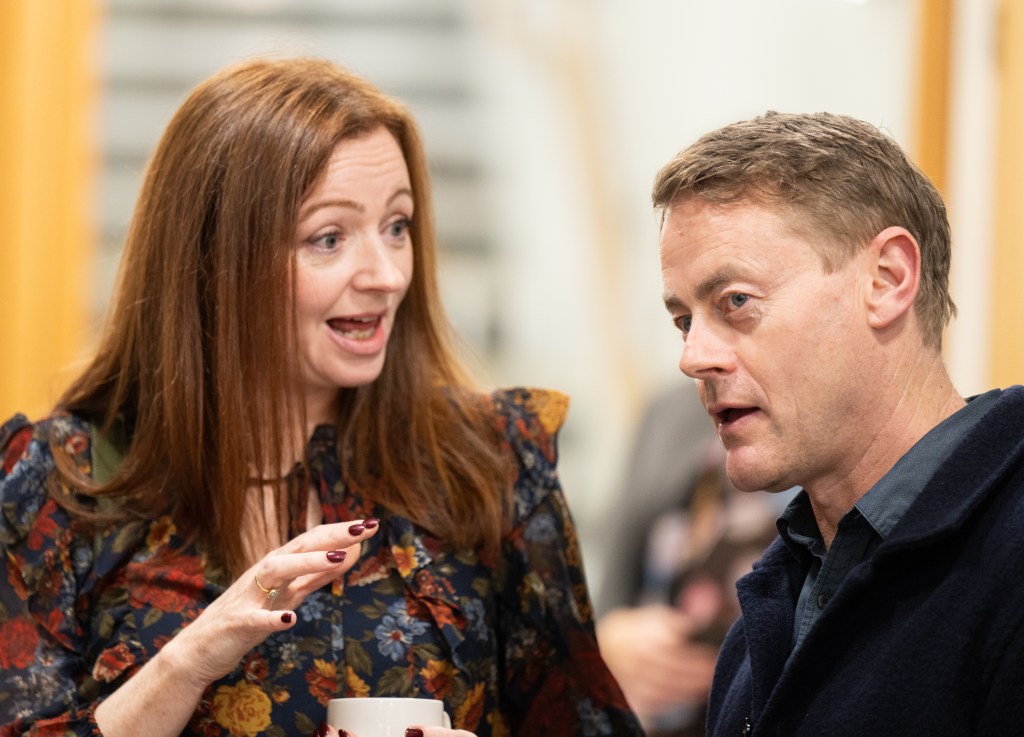
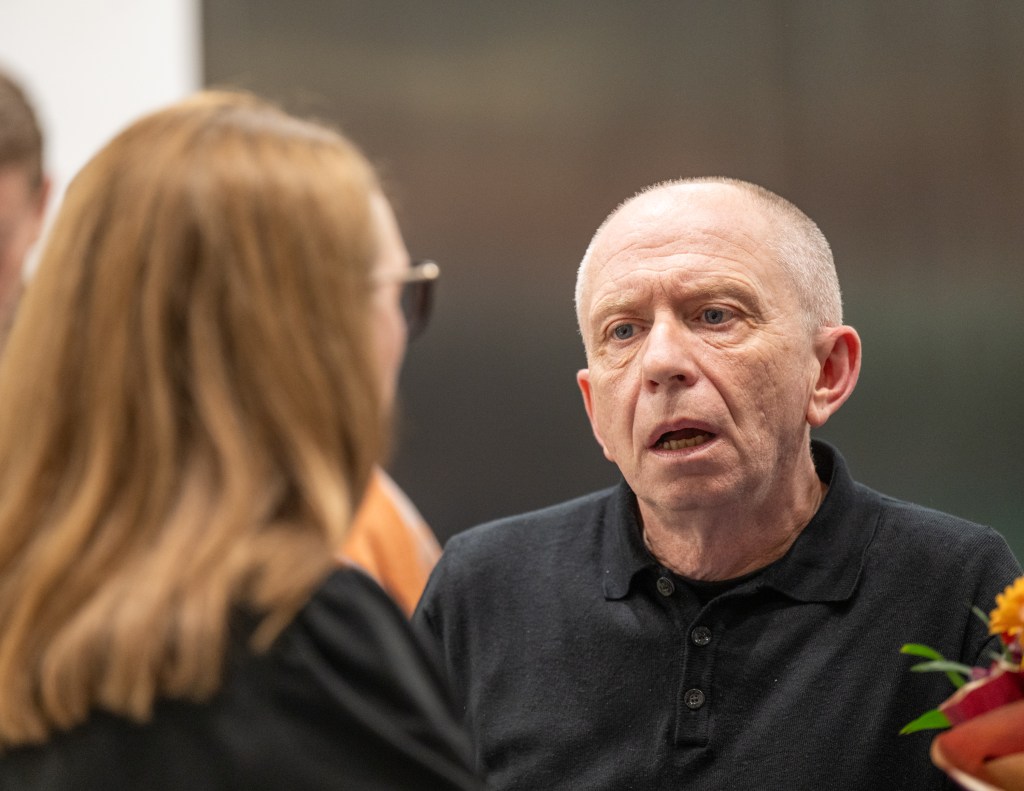
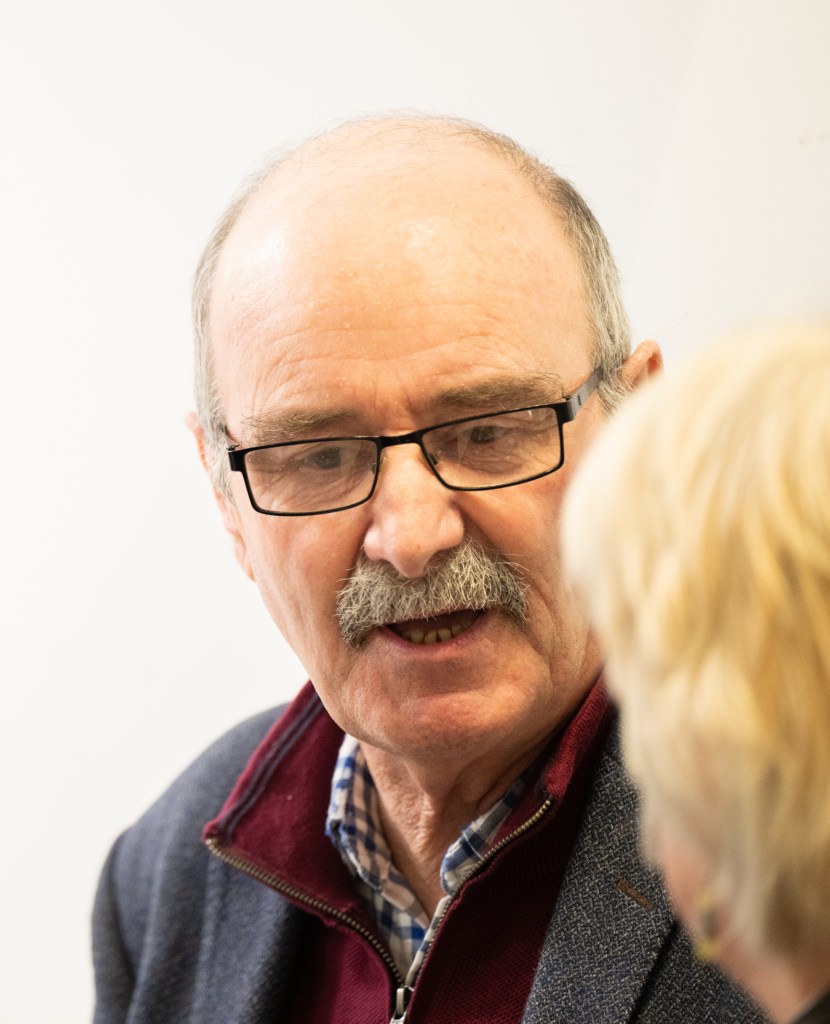
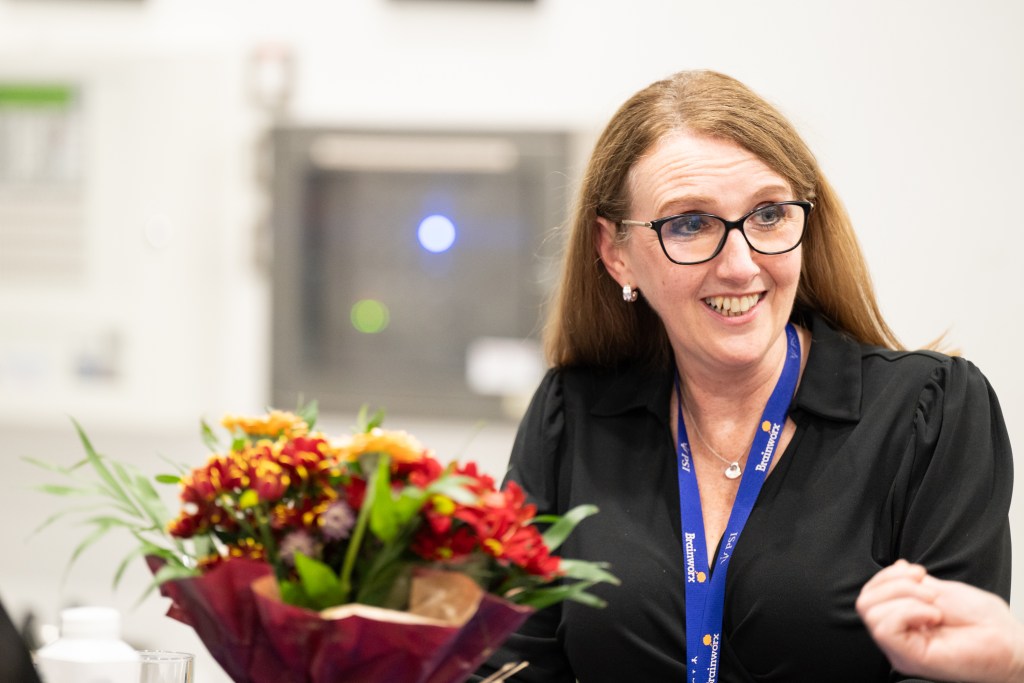
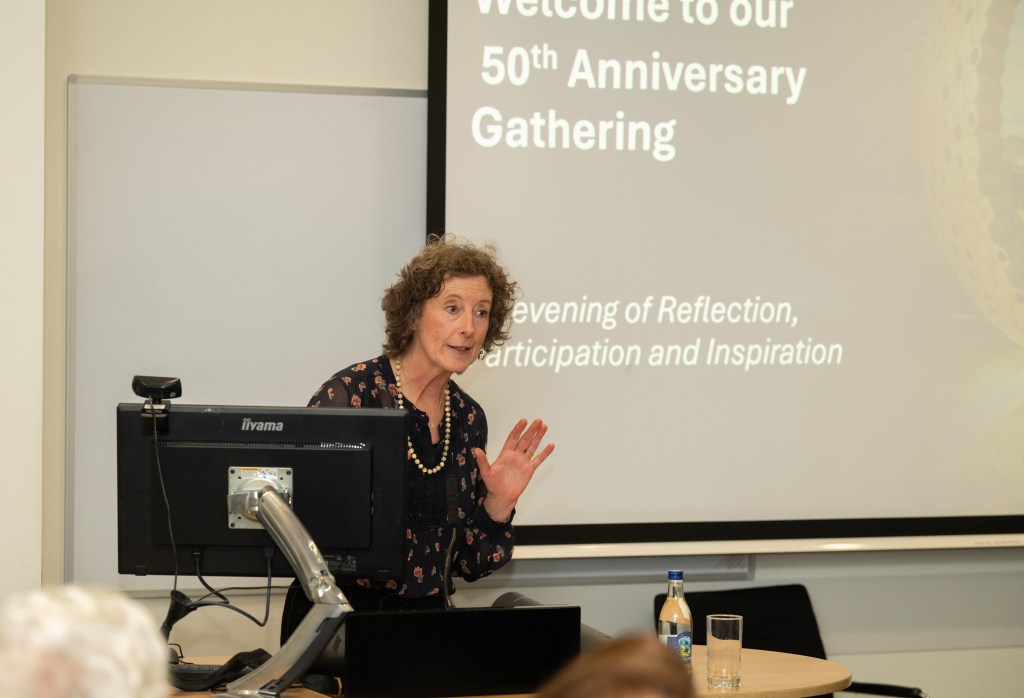
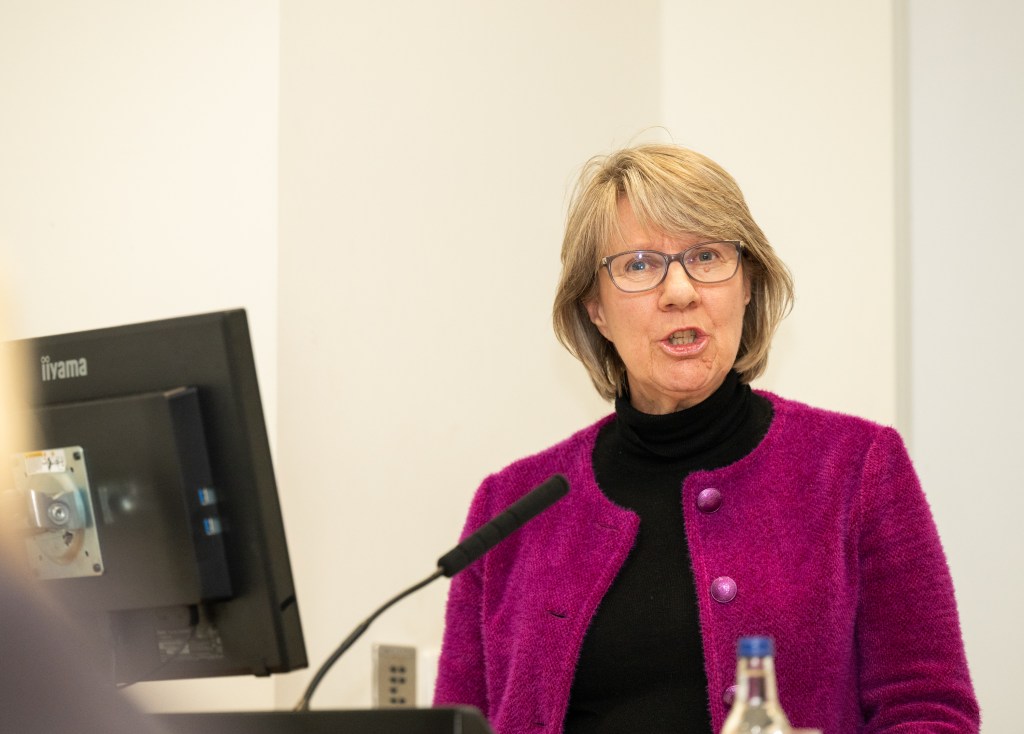
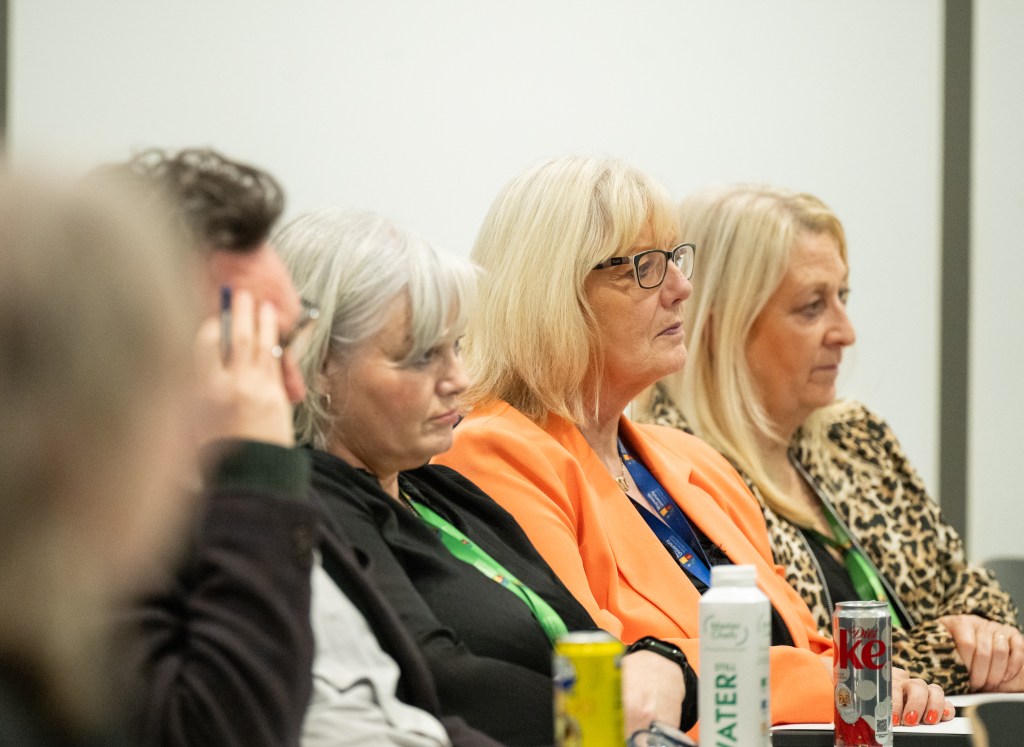
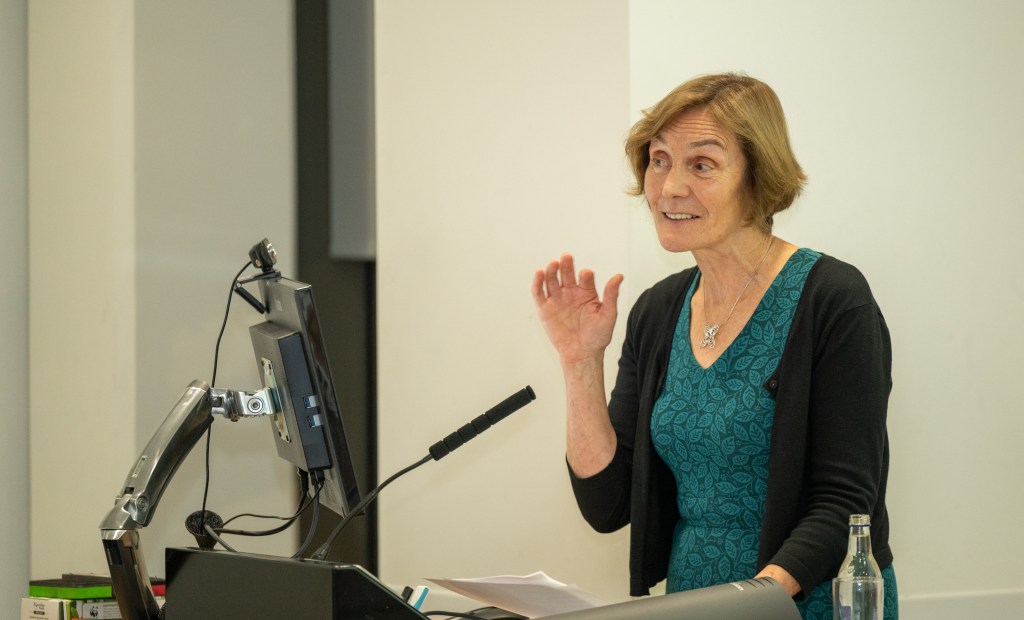
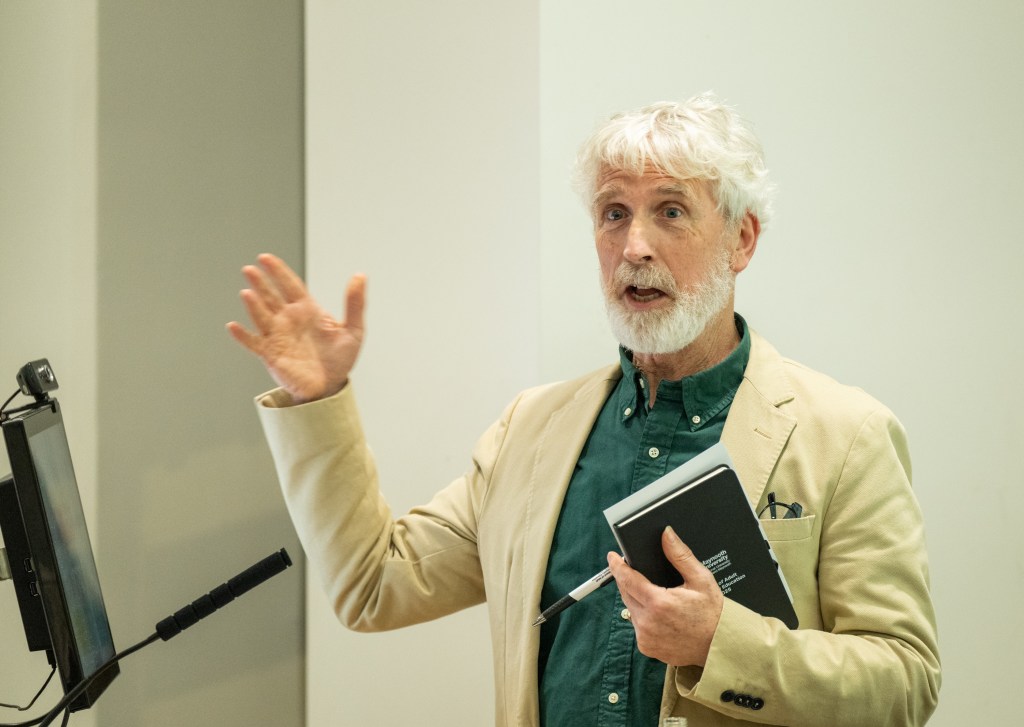
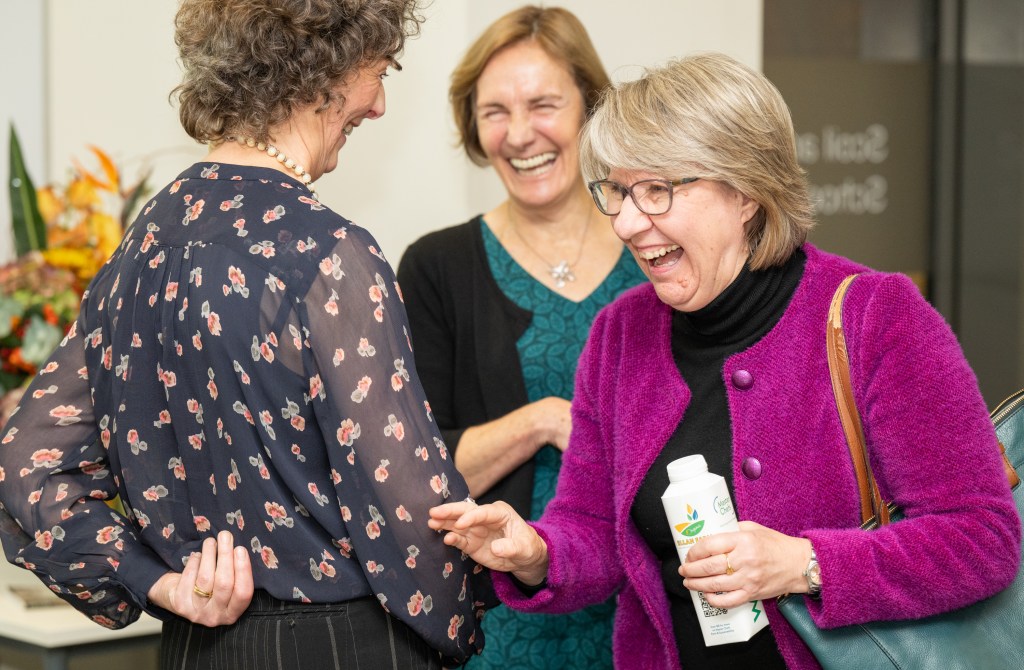
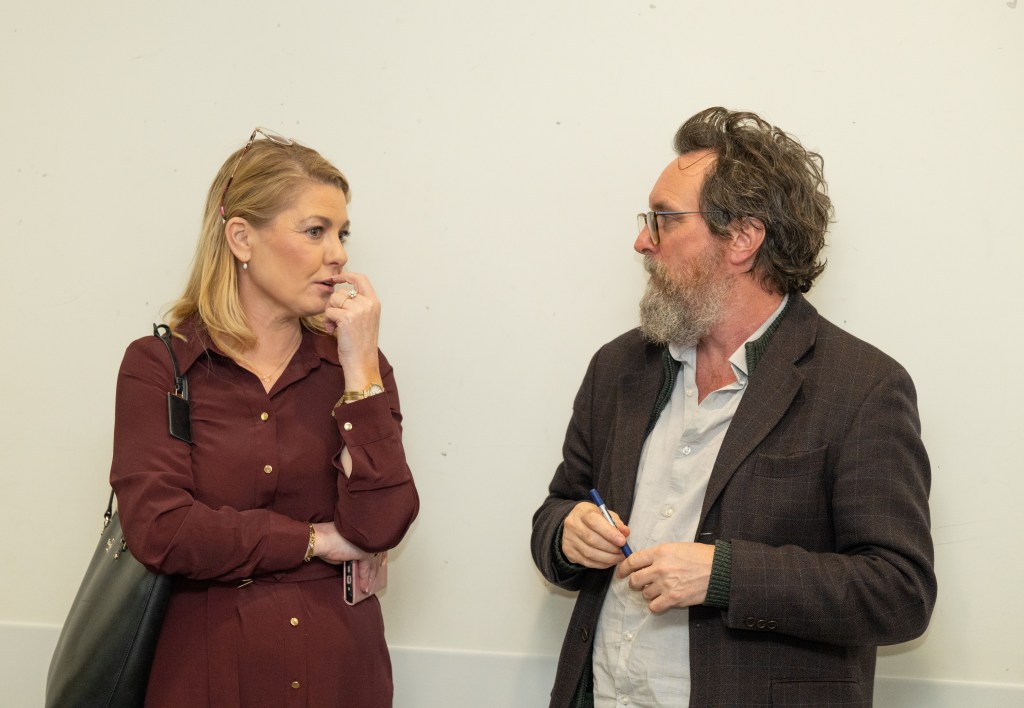
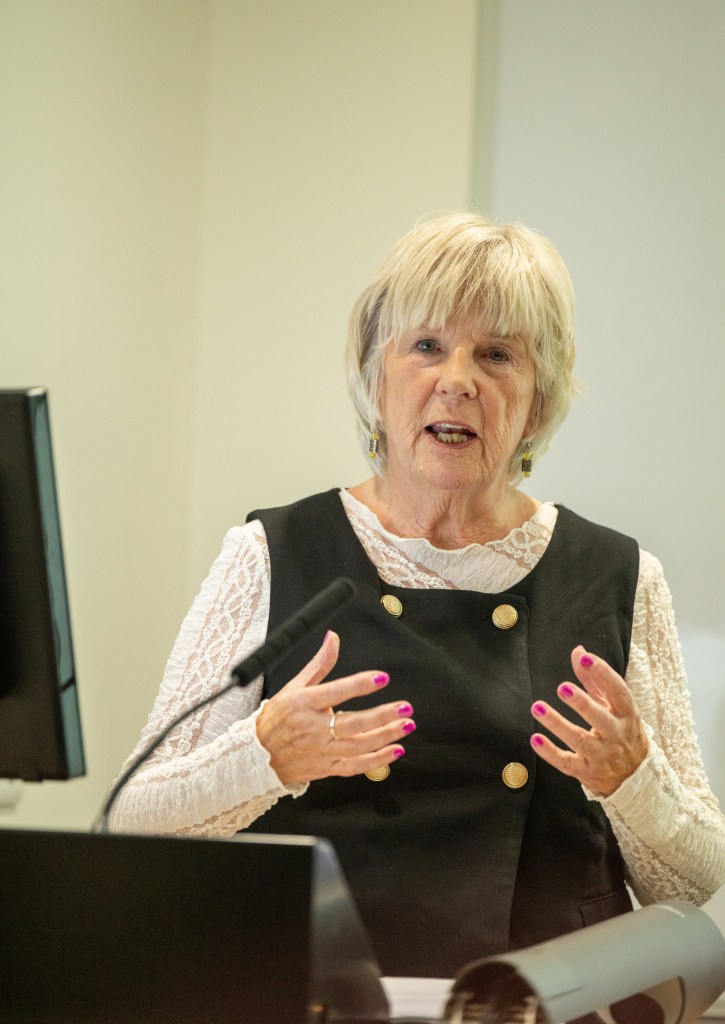
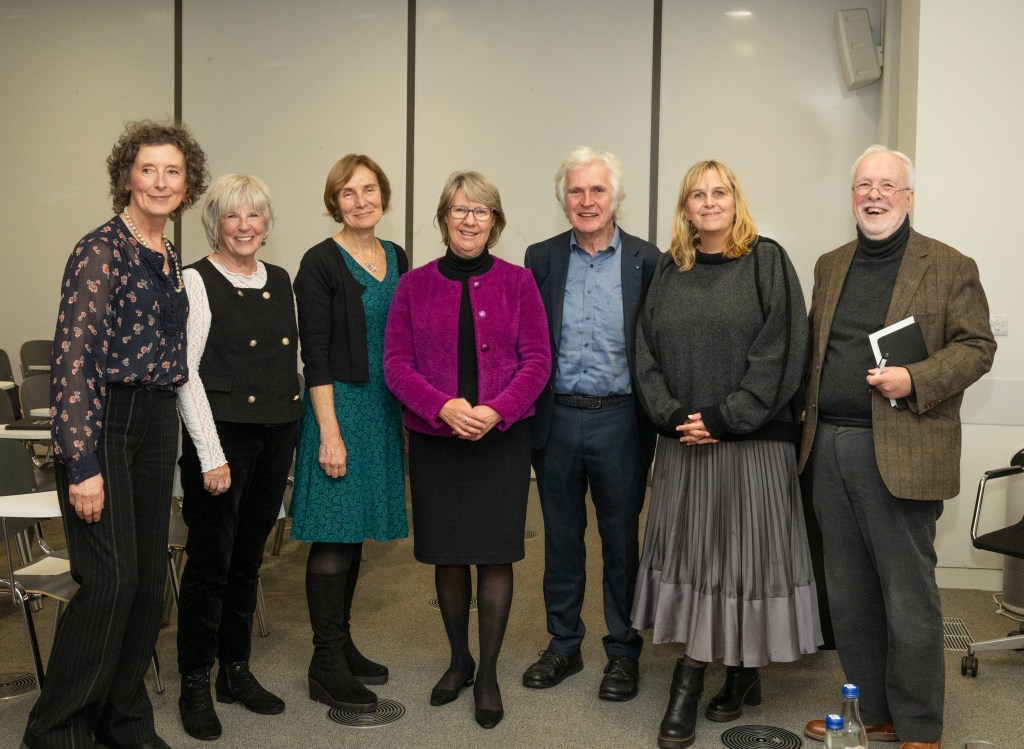
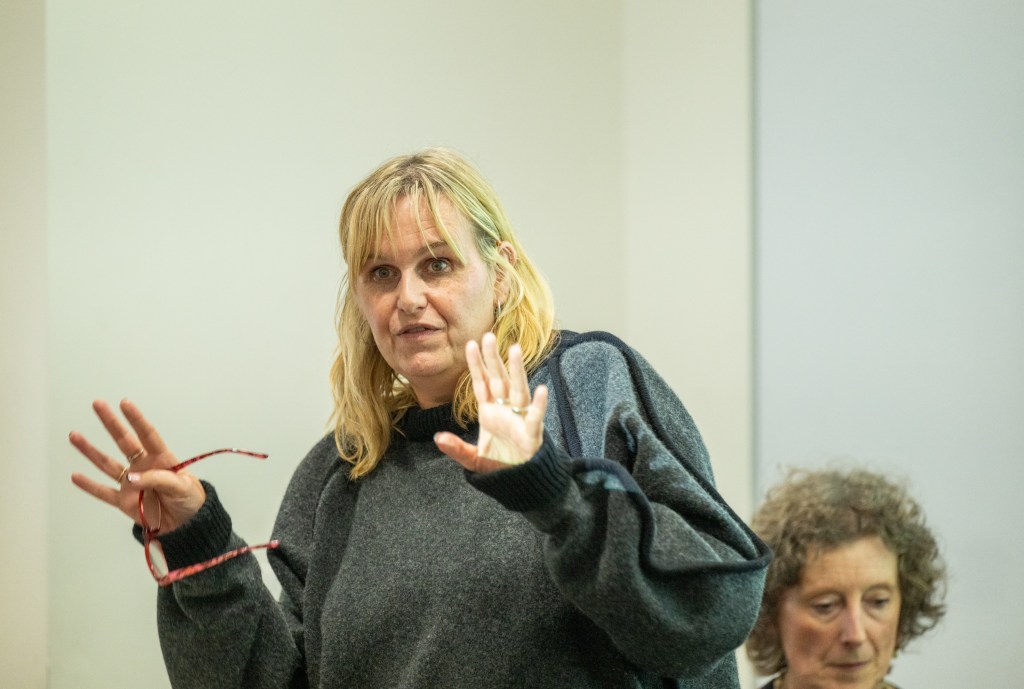
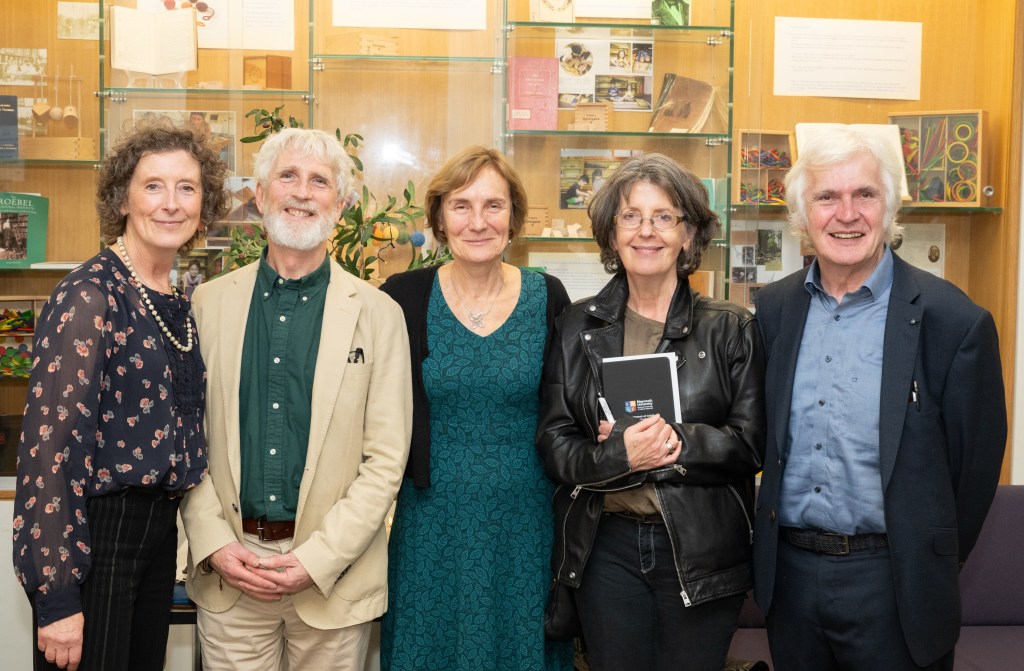
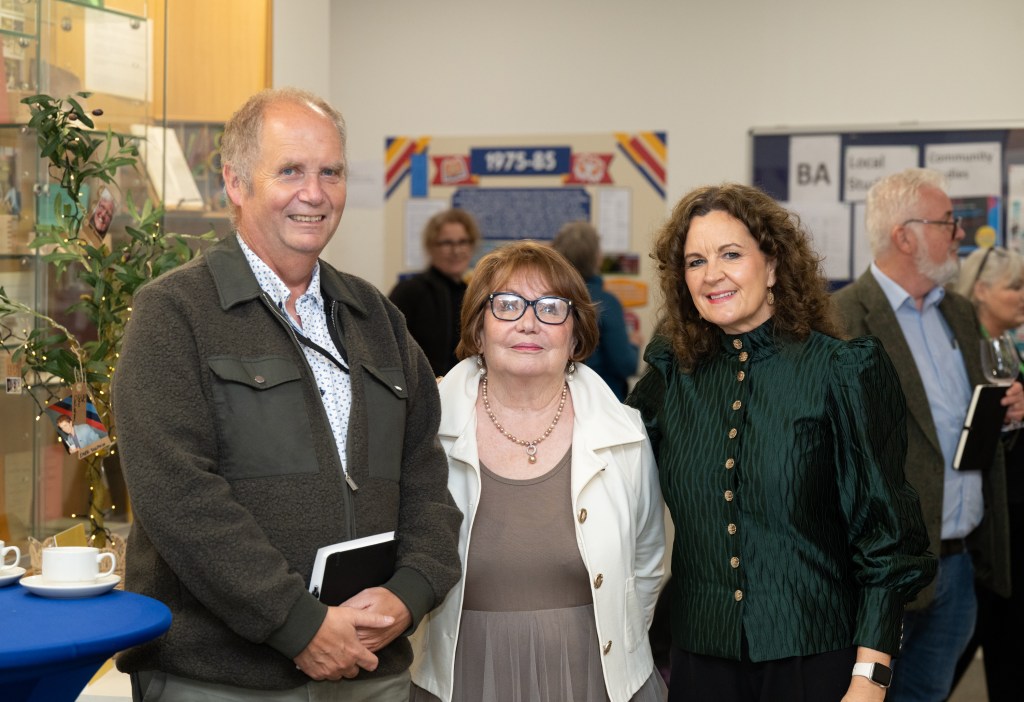
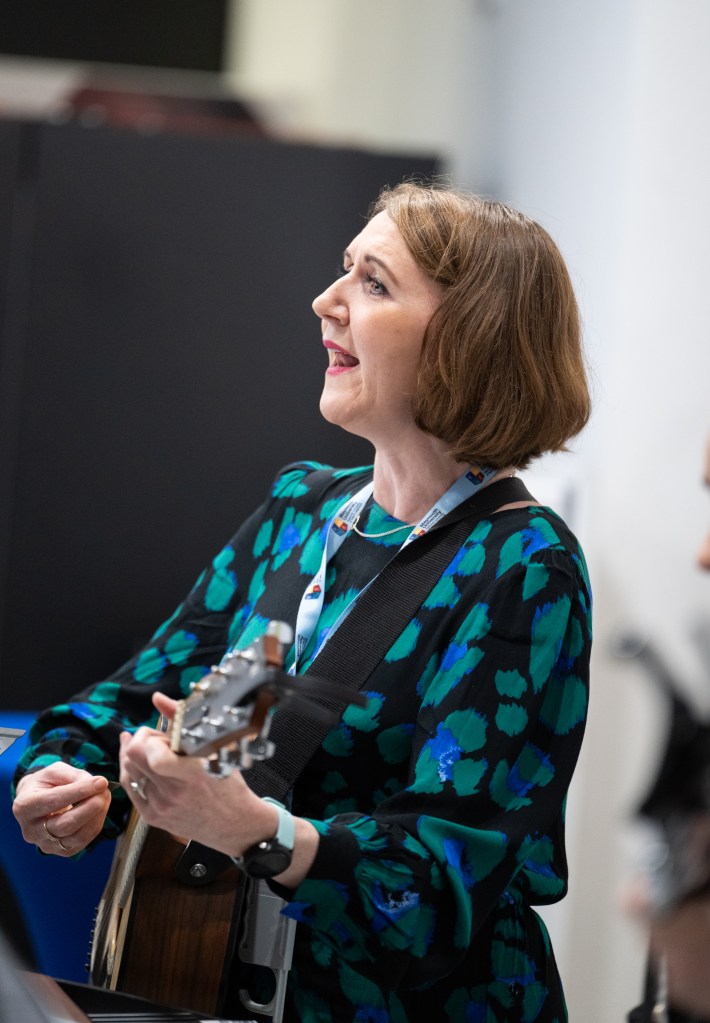
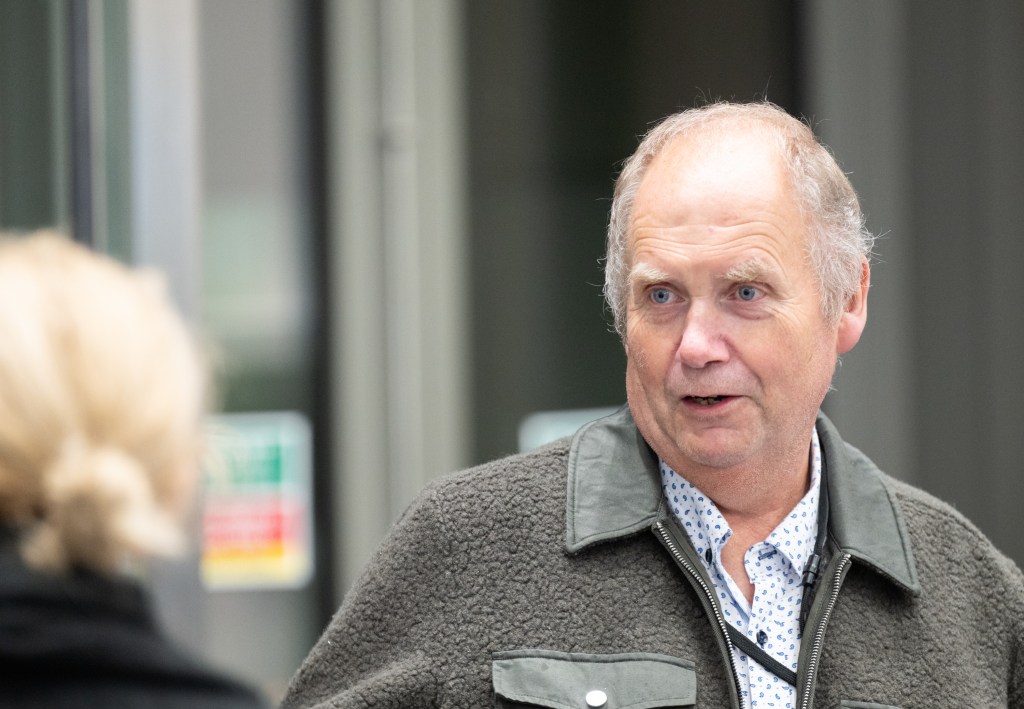
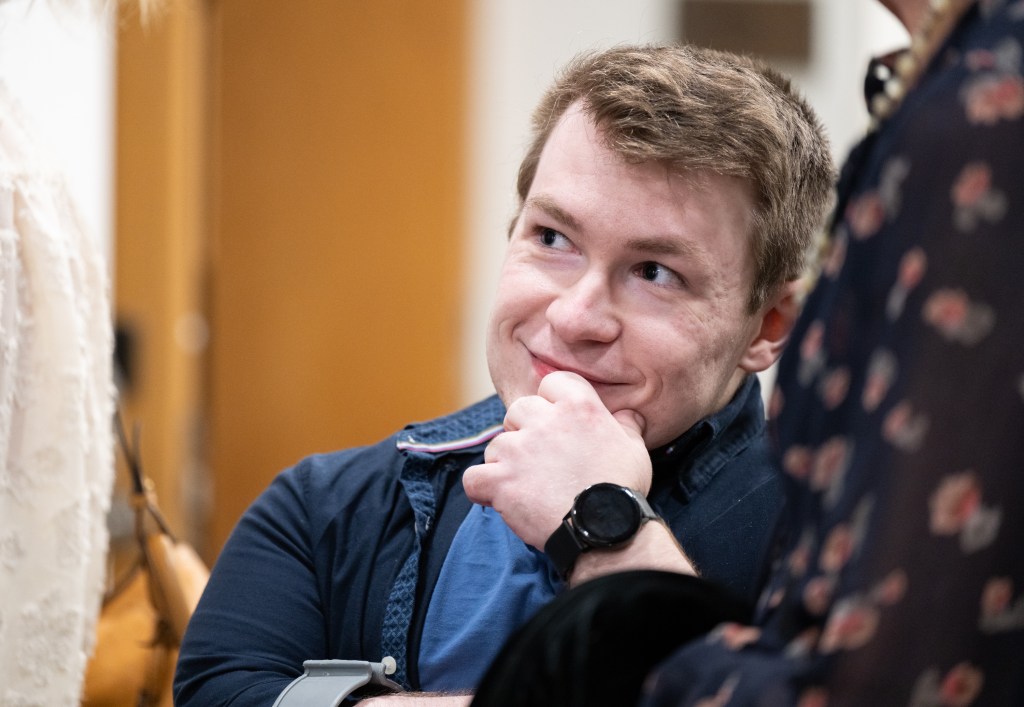
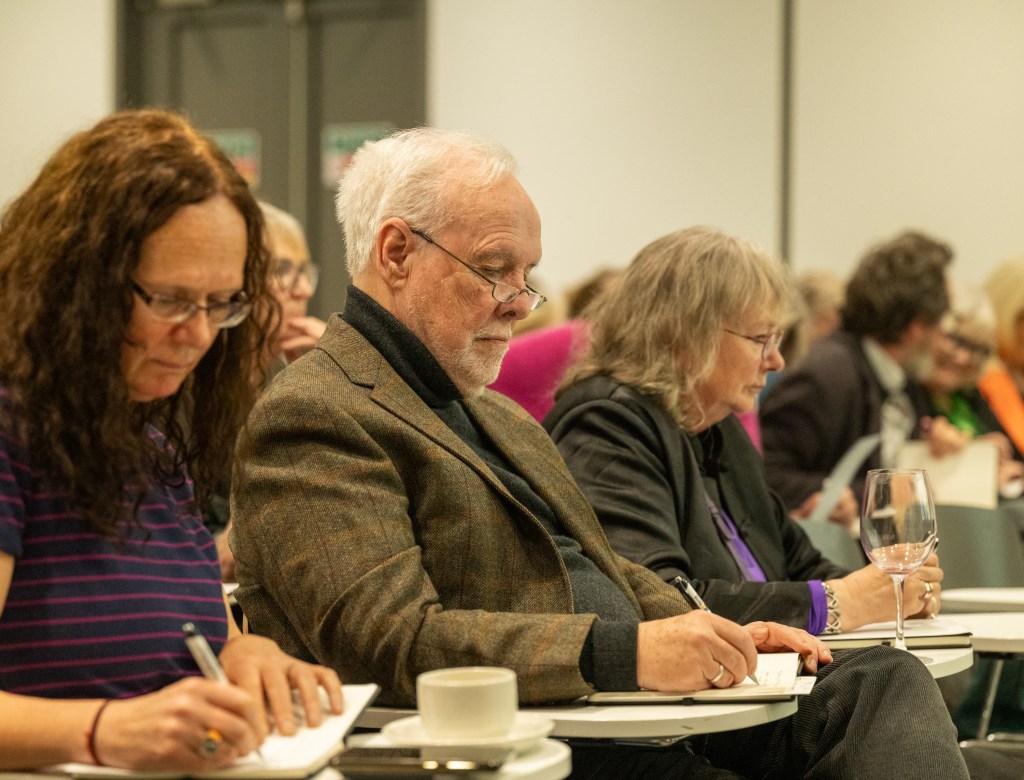
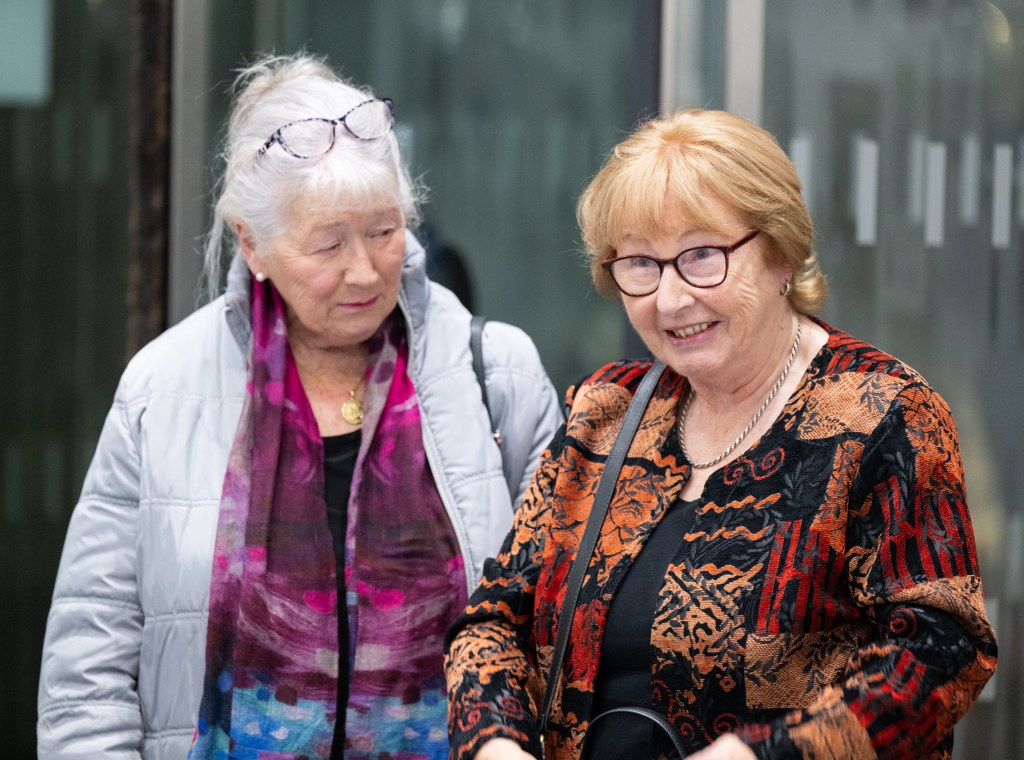
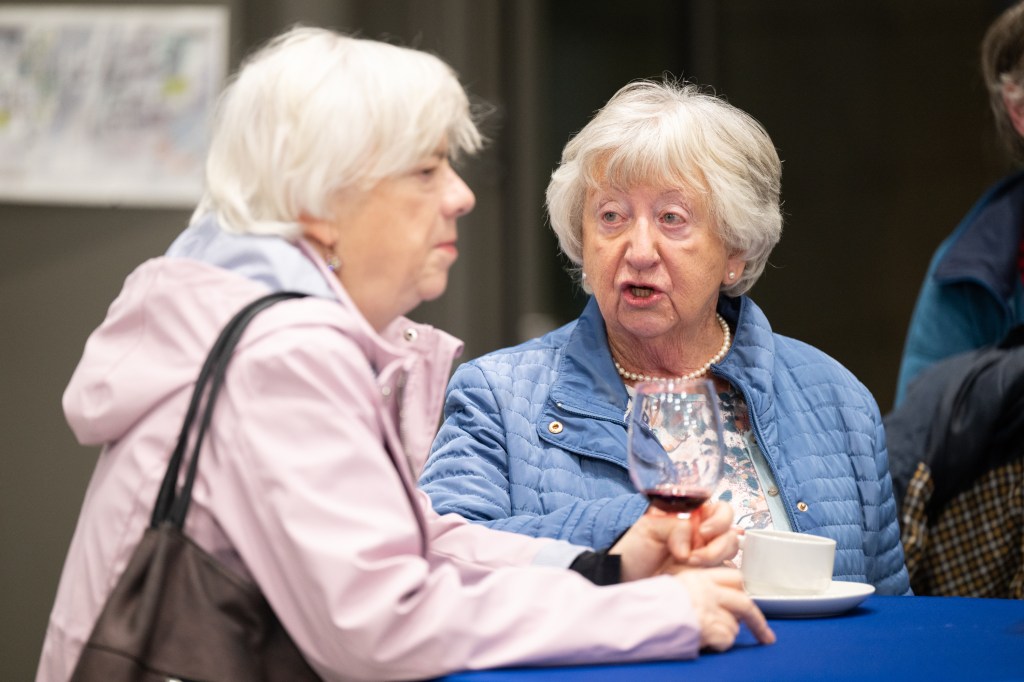
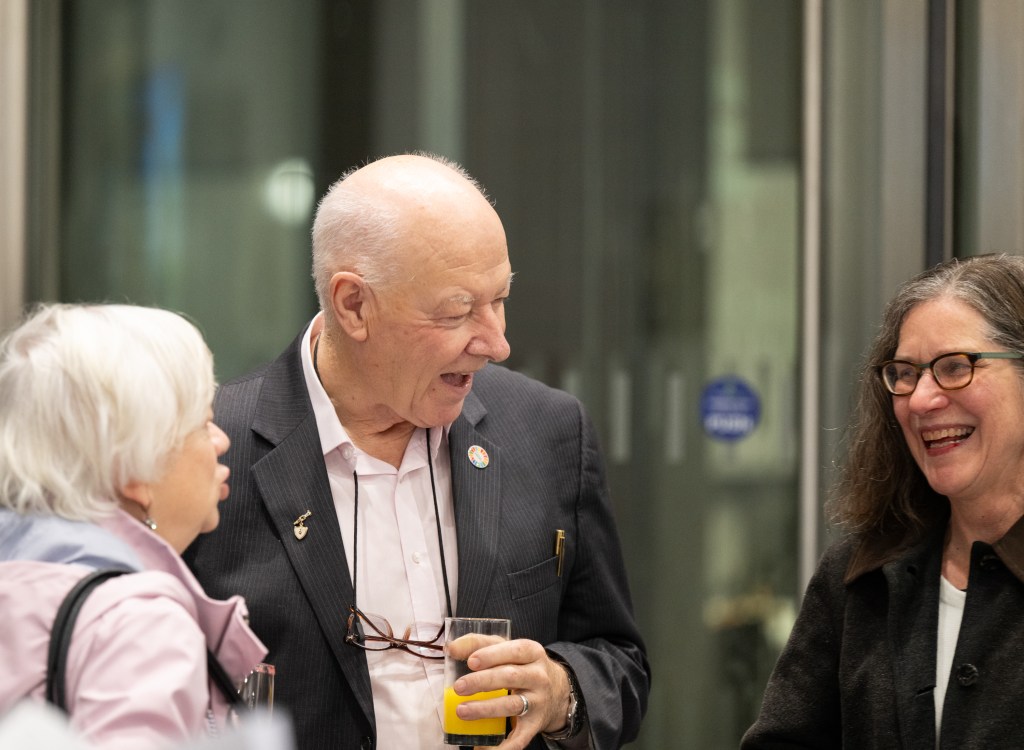
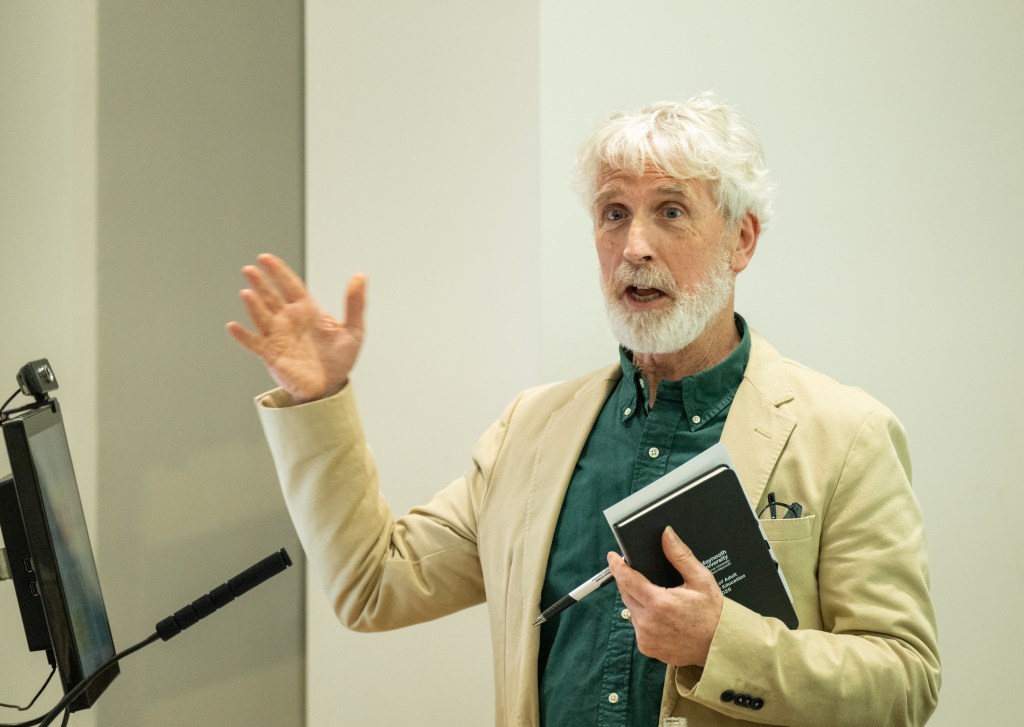
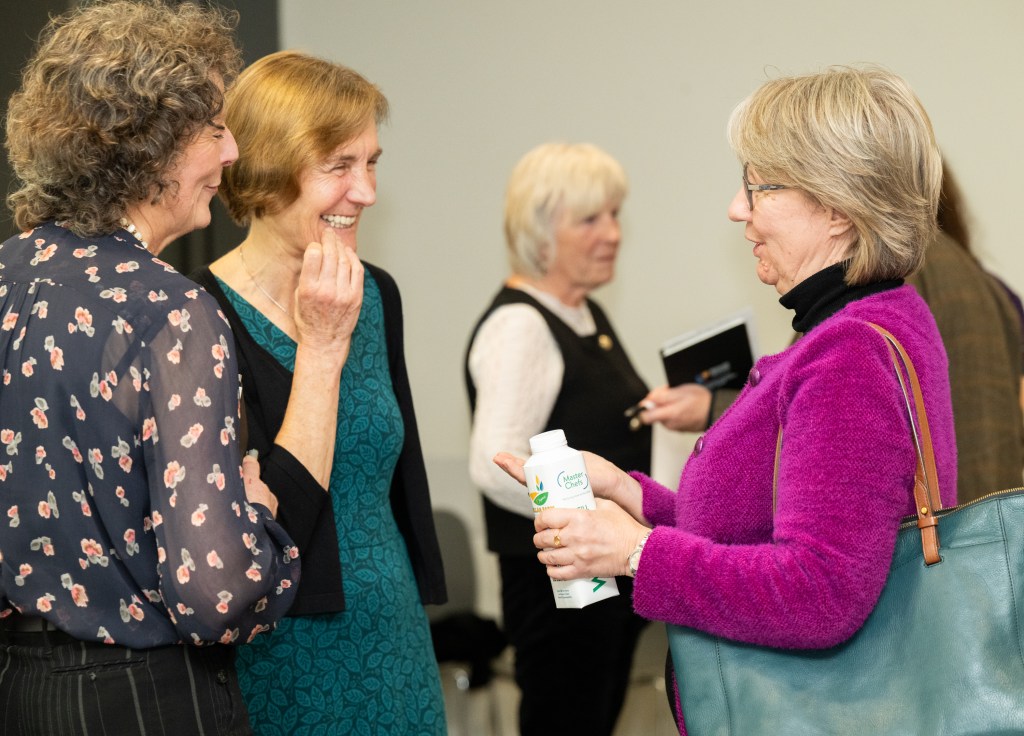
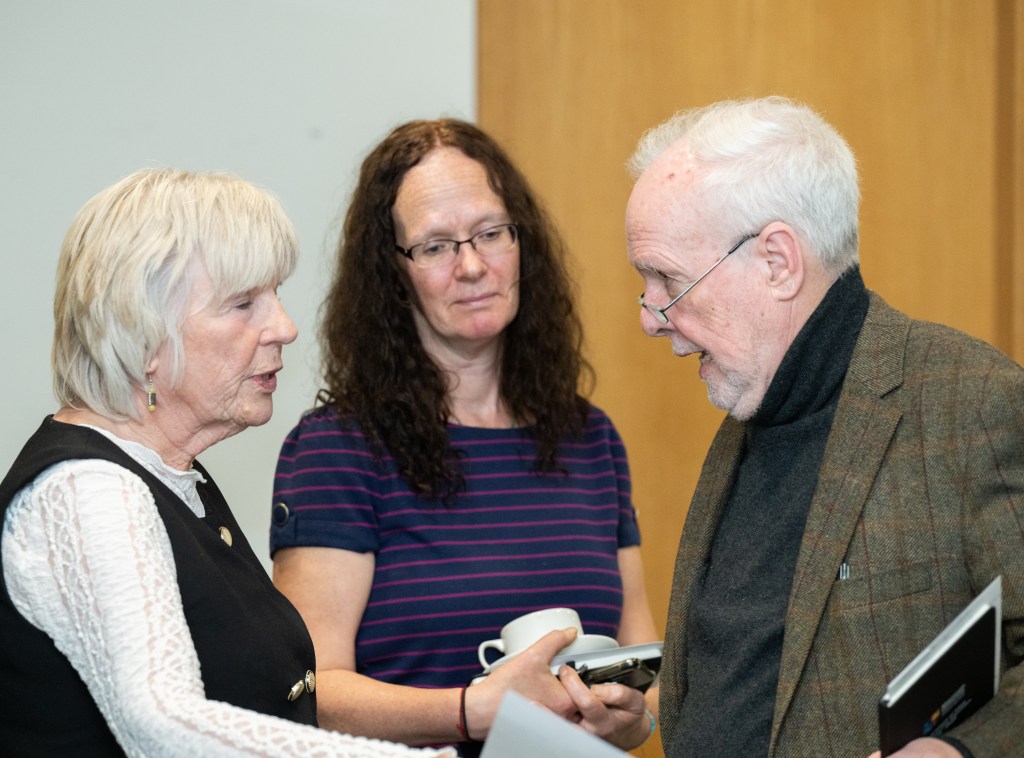
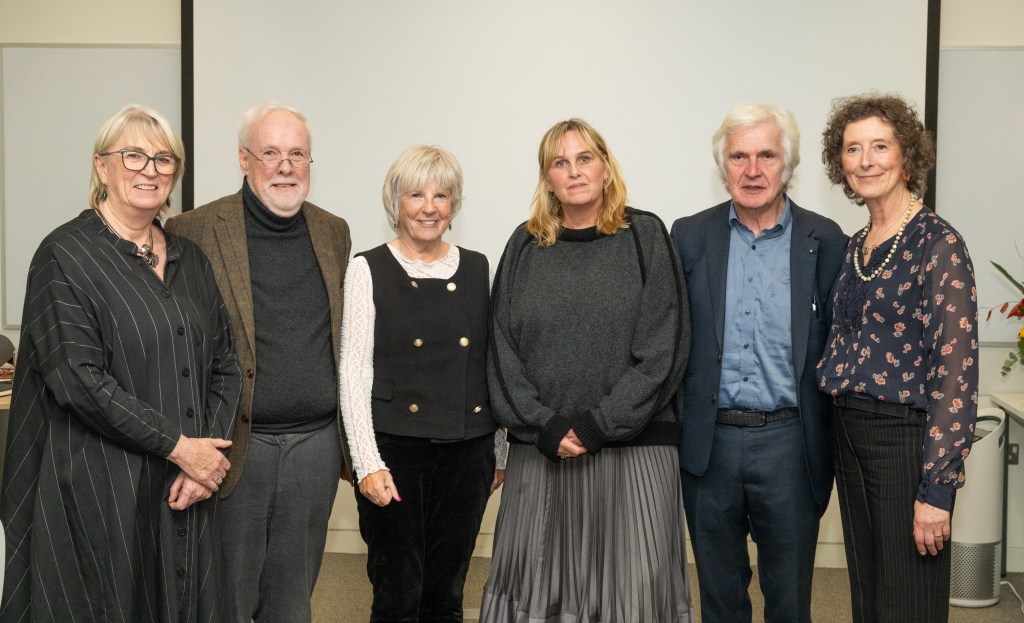
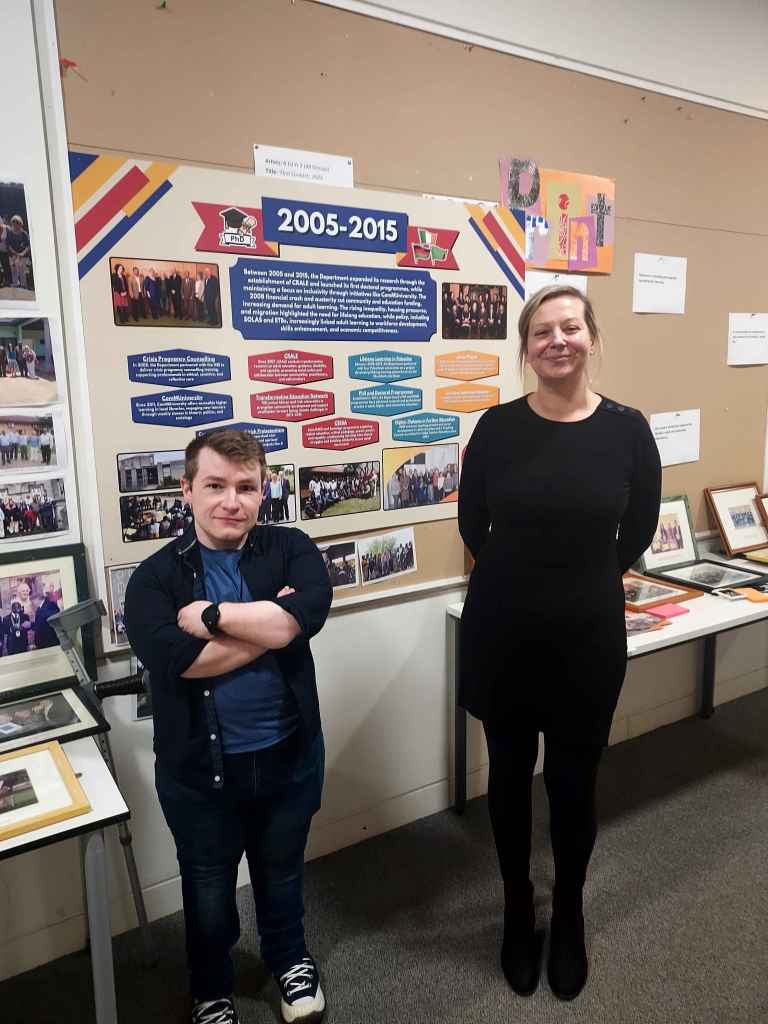
On November 7th, 2025 the department held an evening of Reflection, Participation and Inspiration in the best tradition of the department. Held in the School of Education, the evening brought together former and current staff, graduates, collaborators and friends; people who have been part of the department’s story across five decades. Below is poem written by Jane Clarke to celebrate the 50th anniversary, as well as photos from the night.
Click the play button below to listen to a reading of the poem from Jane Clarke.
Click on any image to make it larger
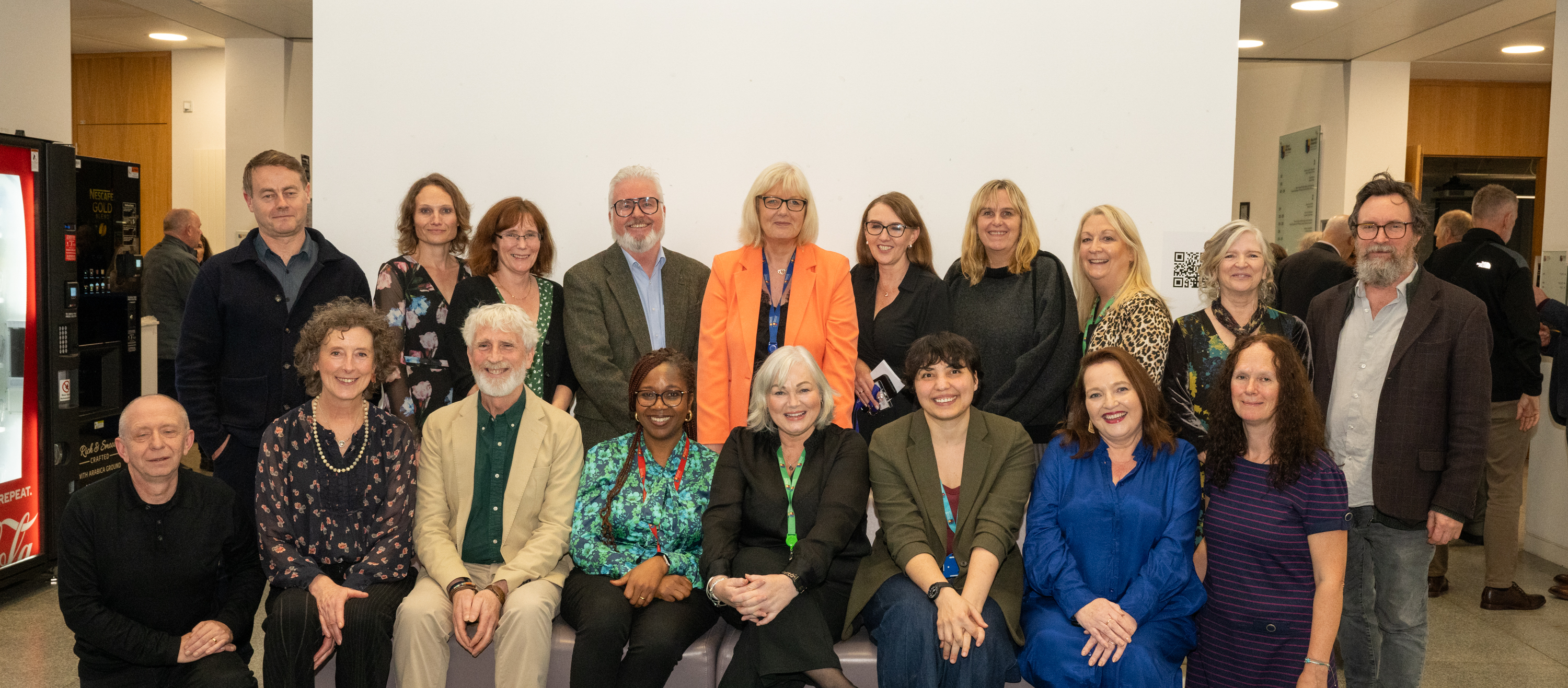


Thank you for taking the time to remember the last 50 years.
If you have any memories or experiences with Adult and Community Education at Maynooth University and you would like to share it with us, please leave a comment and it will be added to the memory wall below. If you could leave your name in the comment it would be greatly appreciated, but it is totally optional and anonymous responses are welcome.
-
Early days and early ways, developing skills and innovation in adult education and community activism. Fond memories of the olden days in the religious grey of Maynooth. Over three and a half decades later, it’s refreshing and reassuring to see that Adult and Community Education is still considered essential, is valued and enriched by the many that passed through the centre – A Foster
LikeLike
-
-
I so enjoyed my time as a part-time student of Adult and Community Education. I have fond memories of interesting deliberations in classes with Fr Liam Carey, Dr Ted Fleming and Prof Tom Collins and others. I developed further my interest in Irish literature, Irish history and social change through the writings of John B Keane (The Bodhrán Makers) and Brindsley McNamara (The Valley of The Squinting Windows) with Tom Collins. I have particularly fond memories of a visit to Westmeath County Library and an encounter with a librarian there who introduced me to the entire collection of writings by Brindsley McNamara! My two years studying Adult and Community Education helped me to discern my future career path – transitioning from working with teenagers to working with adults. Thank you and best wishes for the next fifty!
Conor Harrison – Higher Diploma in Adult & Community Education, 1992
LikeLike
-


Leave a comment