
TtT (Turn to Teaching) and
ILMI ( Independent Living Movement Ireland )
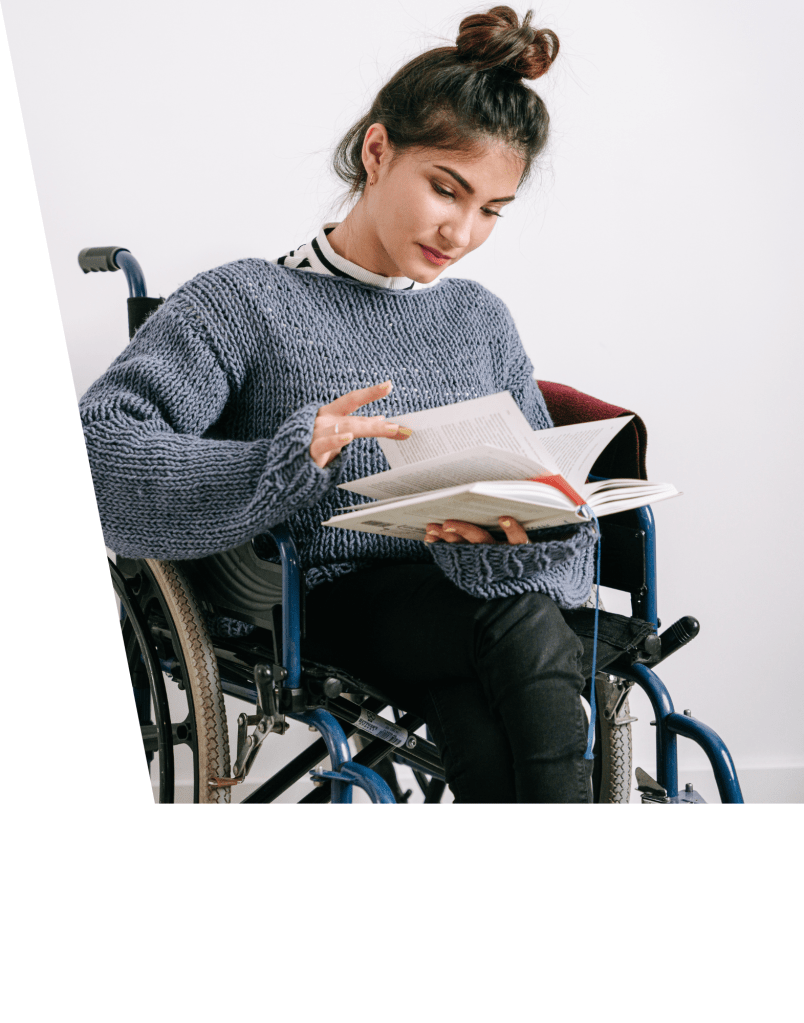
The Turn to Teaching Level 6 Foundation Certificate is a one year, university course for people who have an interest in primary teaching as a career path, but because of family, life, social and/or personal reasons were not able to pursue their dream through traditional education routes. In particular, the course is for students from particular groups that are currently under-represented in teaching. These groups include but are not restricted to- Irish Travellers, mature students, students from diverse ethnicities, disabled[1] students, migrants, lone parents etc.[2] Turn to Teaching aims to promote diversity in the teaching profession through a series of social justice orientated initiatives which widen participation.
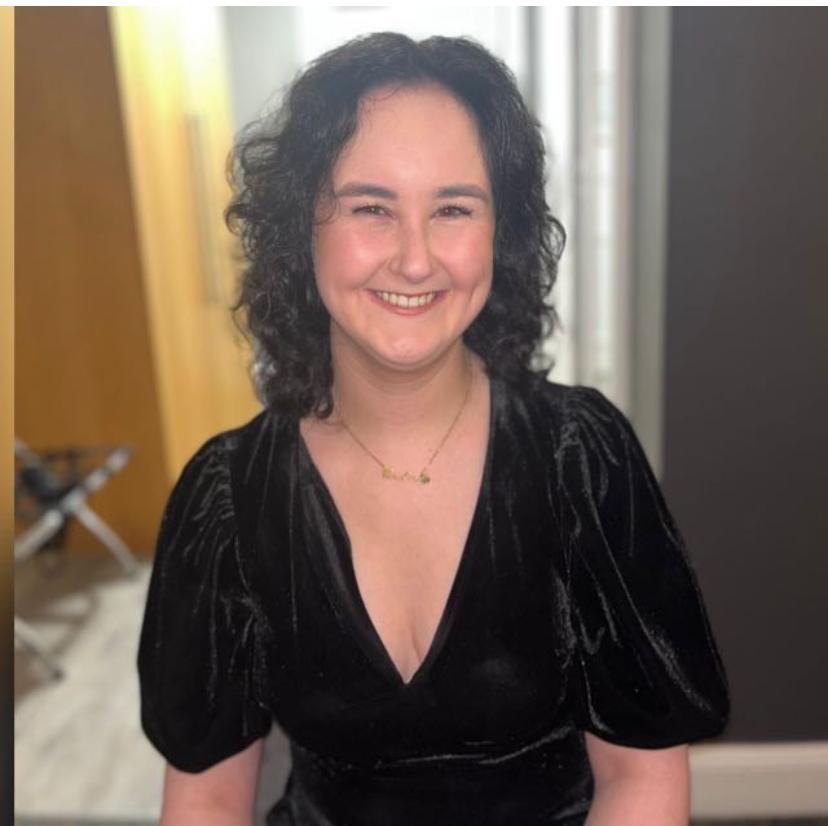
Paula Soraghan is a community development worker for ILMI , Independent Living Movement Ireland. She came to visit the 2024-2025 TtT group in their ‘Think about Teaching’ module to talk about the work she does with ILMI and to learn from the students about the one-year course they are part of.
Paula describes herself as a proud disabled woman who is very passionate about intersectionality. She is a daughter, sister, aunty and friend, graduate and much more.
She introduced us to ILMI, explaining that it is a DPO- a Disabled Person’s Organisation. Unlike disability service providers, DPO’s are led by disabled people, for disabled people all members are disabled people, the Board of Directors are all disabled people, and most of the staff team are disabled people. As an organisation, ILMI is unique and radical; it is cross-impairment, meaning it is open to all disabled people over the age of sixteen and it is underpinned by the values of the United Nations Convention on the Rights of Persons with Disabilities and the social model of disability.
As a national, campaigning organisation, ILMI focuses on addressing injustices and inequalities faced by disabled people. It approaches these issues with a problem-solving attitude and puts the emphasis on a collective approach rather than advocating for the individual. With this approach, an individual becomes part of a collective, and as Paula says, there is strength and efficacy in numbers. ILMI focuses on rights not charity. They maintain the motto, Nothing About Us, Without Us.’
Paula explained to us that both historically and in current times, society pathologizes disabled people. The disability industry gains from segregating people with different impairment labels; there is a hierarchy of impairment which sets people up against each other. This separatist structure keeps people powerless to address the current systems and structures in place. The stigmas around disability, the narratives which tell us that disabled people should be pitied and cared for, feed into far-right agendas where anyone of difference is to be ostracised and afforded less rights. By coming together, disabled people can address multiple issues with one united voice. These spaces aim to create a new narrative where difference is shown to be a force for progressive change, enriching and creating possibilities for everyone.
ILMI aim to influence policy and development through strategic activism, lobbying for change at local and national level, in the Oireachtas and at a county level. Paula Soraghan and Nicola Meacle work on the VOICE (Virtual Online Inclusive Communities for Empowerment) project. VOICE is funded by the Department of Rural & Community Development through the Community Development Programme. VOICE is establishing local DPOs in Wexford, Waterford, Carlow, Kilkenny, Cork, Kerry and Tipperary. Colm Whooley also works on the VOICE project as a Life Coach.
The communities are ‘based on digital networking, peer mentoring support and activism with disabled people in the south of Ireland’.[3] VOICE aims to educate, support and mentor disabled people to develop local representative groups who can impact local mainstream services and promote authentic inclusion in society. VOICE intends to collaborate with each attendee in the online space to develop Personal Action Plans which will identify and develop goals towards improving overall health and wellbeing while reducing isolation of individuals. As Paula explains , a universal design approach makes society good for everyone, not just for disabled people. By addressing issues of access, environment, and opportunity for disabled people, alternate options are made available to everyone.
Alternate routes into mainstream institutions create possibilities for traditionally excluded people.
Paula points to the TtT Turn to Teaching course in Maynooth University as one such barrier breaking route for education at higher level. Like ILMI, the TtT aims to create access for students to career pathways which have been previously closed to them through mainstream routes.
Many of the young future teachers on TtT identify their motivation for wanting to become teachers as stemming from never seeing their peers in primary school teaching roles. Maggie tells us that she wants to be a teacher to inspire other chair users in school to be whatever they want to be. Another shares that she feels her experience of primary school might have been much richer and inclusive had she witnessed a woman of her faith teaching in her primary school. Race, gender, ethnicity, background, and being a disabled person all need representation as teachers. Change starts in primary schools. Building nuance and creating role models for others brings hope and possibility for young students. But it also creates communities and societies which break boundaries and imagine new and better ways for us to live and work together. Paula says, ‘ think big and start somewhere.’
ILMI and TtT are doing just this.
For more information on the Independent Living Movement Ireland and the Turn to Teaching Course Maynooth University go to:
https://ilmi.ie/ilmi-voice-project/
https://www.maynoothuniversity.ie/turntoteaching.
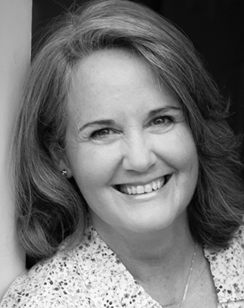
Author: Alice Bennett is a PhD student and recipient of a John Hume Scholarship. Her research explores art pedagogy for the rehabilitation of subjugated and extra rational knowing while extending epistemologies for healthier learning environments. She has worked in the area of community development and education for over thirty years in South Africa, Zimbabwe and Ireland. Alice currently works with the Turn to Teaching Team in the Adult and Community Education Department, Maynooth
[1] ILMI use the term ‘disabled people’ instead of ‘people with disabilities’. This is because they see disability as a social and political issue, rather than a personal and medical one.
 Department of Adult and Community Education Maynooth