
Author: Sinead Matson

The power of conversation should never be underestimated. It can change attitudes, thinking, policies, research, and practice. We wanted to create conversational spaces for change through the TUTOR Ambassador webinar series, the first of which was hosted by Maynooth University. The webinar, An LGBTQI+ Inclusive Classroom: In conversation with Jamie Kenny TUTOR Ambassador, was held in early December. TUTOR is an Erasmus + project about inclusive education in second level and Further Education and Training of which Maynooth University is a partner. Jamie Kenny is the executive director for Dublin Pride and the first Irish TUTOR ambassador. He hosted a fireside chat with Angela Rickard, Course Leader for the year one Professional Master of Education (PME) in Maynooth University Education Department; Carrie Archer, Professional Learning and Development Coordinator for City of Dublin ETB and adjunct assistant professor in the National College of Ireland; Andrew Maloney, deputy principal in Firhouse Educate Together Secondary School; and Eoin Houlihan, second level teacher and guidance counsellor also at Firhouse Educate Together Secondary School, and lecturer on the PME programme in Maynooth University.
Carrie led the discussion on how a classroom can be LGBTQI+ inclusive without directly changing or adding content that is not already an existing part of the curriculum or learning outcomes – an argument she has frequently experienced in her work. She pointed out that even in business, childcare, beauty therapy, and hair dressing courses in FET, spaces for LGBTQI+ conversations already exist – you just have to look for them. Eoin agreed and added that in second level those spaces do already exist within the curriculum; for example mentioning the scientists and inventors from the LGBTQI+ community in science lessons when introducing students to a concept, theory, or experiment contextualises and makes visible LGBTQI+ for students. The same approach applies for English, Music, Geography, History, Art…really any other subject on the curriculum. When it is threaded through the curriculum and the day-to-day experience for students in the classroom it has the potential to become a more authentic way of inclusion and representation.
The conversation turned to the lived experiences of LGBTQI+ staff leading the advancement of greater representation and inclusion in schools and education settings which places those staff in demanding and potentially vulnerable and fatiguing positions. They described a fear experienced by many potential allies in education; a fear of getting it wrong, of causing offence, or of hurting someone. This fear can sometimes stifle or even silence the conversation. However, the burden of leading the conversations must not always be held by LGBTQI+ staff themselves. Andrew really highlighted the need for teachers to know that it backed up by law and equally importantly made explicit by leadership:
“I think it’s important to back teachers up, particularly teachers who are in teacher education, to understand that actually you have a legal basis to discuss this in your classroom… And particularly from school leaders, they need to hear that openly because if they don’t hear it openly, it’s not good enough just to be implicit about it because it happens to be enshrined in law.”
This struck a chord with me. In all the years I have worked with children I have never had a ‘child protection day’, or a ‘child protection week’ – it is enshrined in law therefore it is weaved into everything we do. If it is a legal requirement, is it part of the daily landscape of education?
Angela spoke of the appetite for inclusive conversations and spaces amongst the students in the initial teacher education programme in Maynooth University, and her experiences of visiting many second level schools across the country that are flying progress flags and taking part in BeLonG To’s safe and supportive schools training. This, she surmises, is hopeful and is having a very positive effect, making spaces for those conversations to continue amongst leadership, allies, and the LGBTQI+ community within schools and local communities. It is also providing opportunities for allies and leadership to lead the conversation rather than relying on LGBTQI+ identifying staff.
This conversation facilitated by Jamie in his position of TUTOR ambassador for Ireland has already caused real change. It has helped to inform the discussion we, as the TUTOR project researchers, have and the decisions we make when we will put together training and resources in the TUTOR programme. Attendees, who included teachers, tutors, leadership, and students engaged in initial teacher education have already spoken to us about the learnings they have taken and will put into practice. If you missed the conversation, but would like the opportunity to listen, please click this link and take an hour out of your time to listen to the real, practical knowledge and lived experiences that were shared with us.
Author Bio:
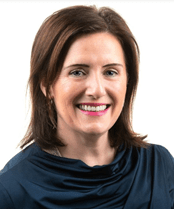
Sinéad Matson is a post-doctoral researcher with the Department of Adult and Community Education at Maynooth University. She has worked in all levels of education for over 20 years. Sinead’s research areas include social justice and equality in education, critical education, and decolonizing research methodologies. Sinead currently works on the TUTOR project which is an Erasmus+ funded transnational project aimed at improving inclusive education.




 Department of Adult and Community Education Maynooth